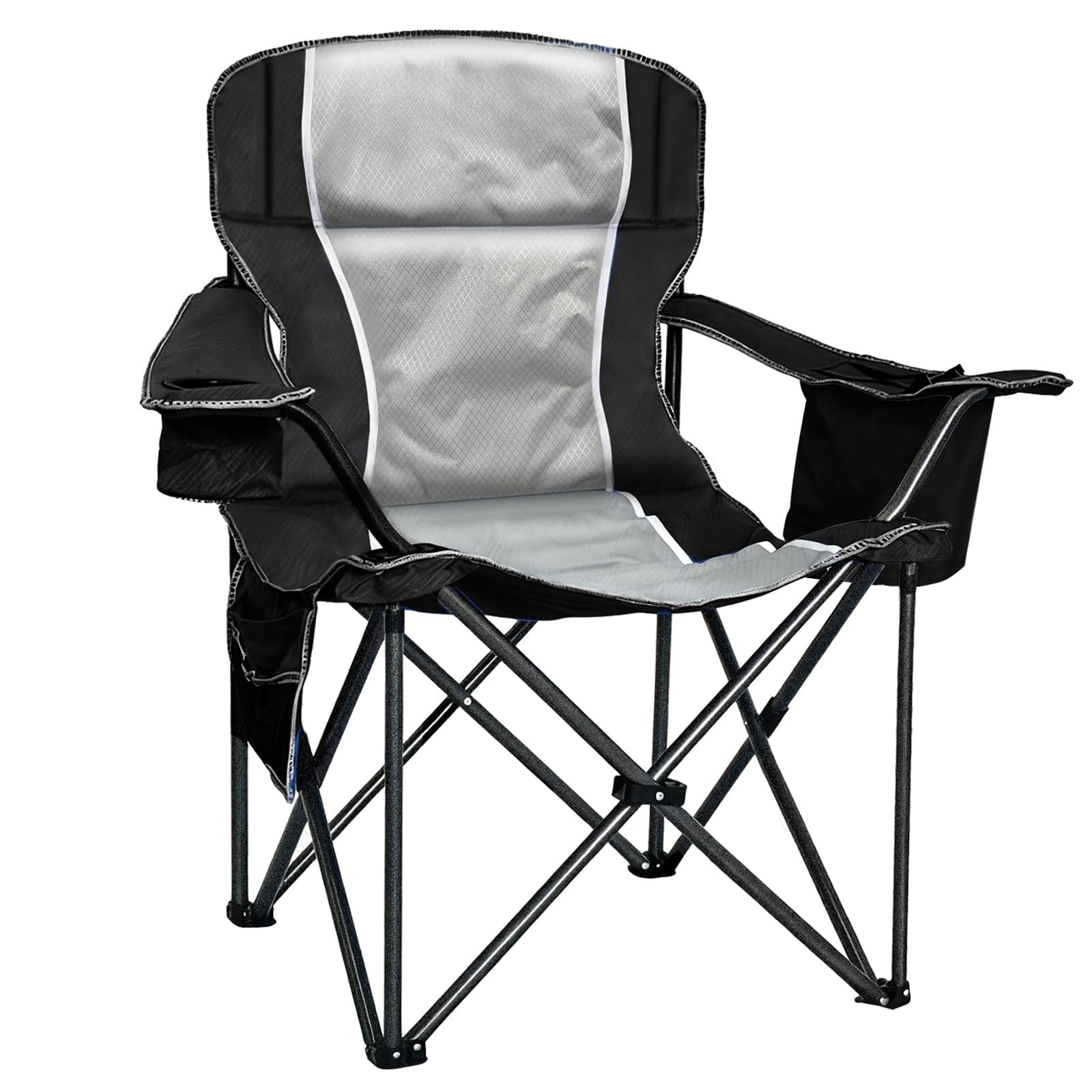
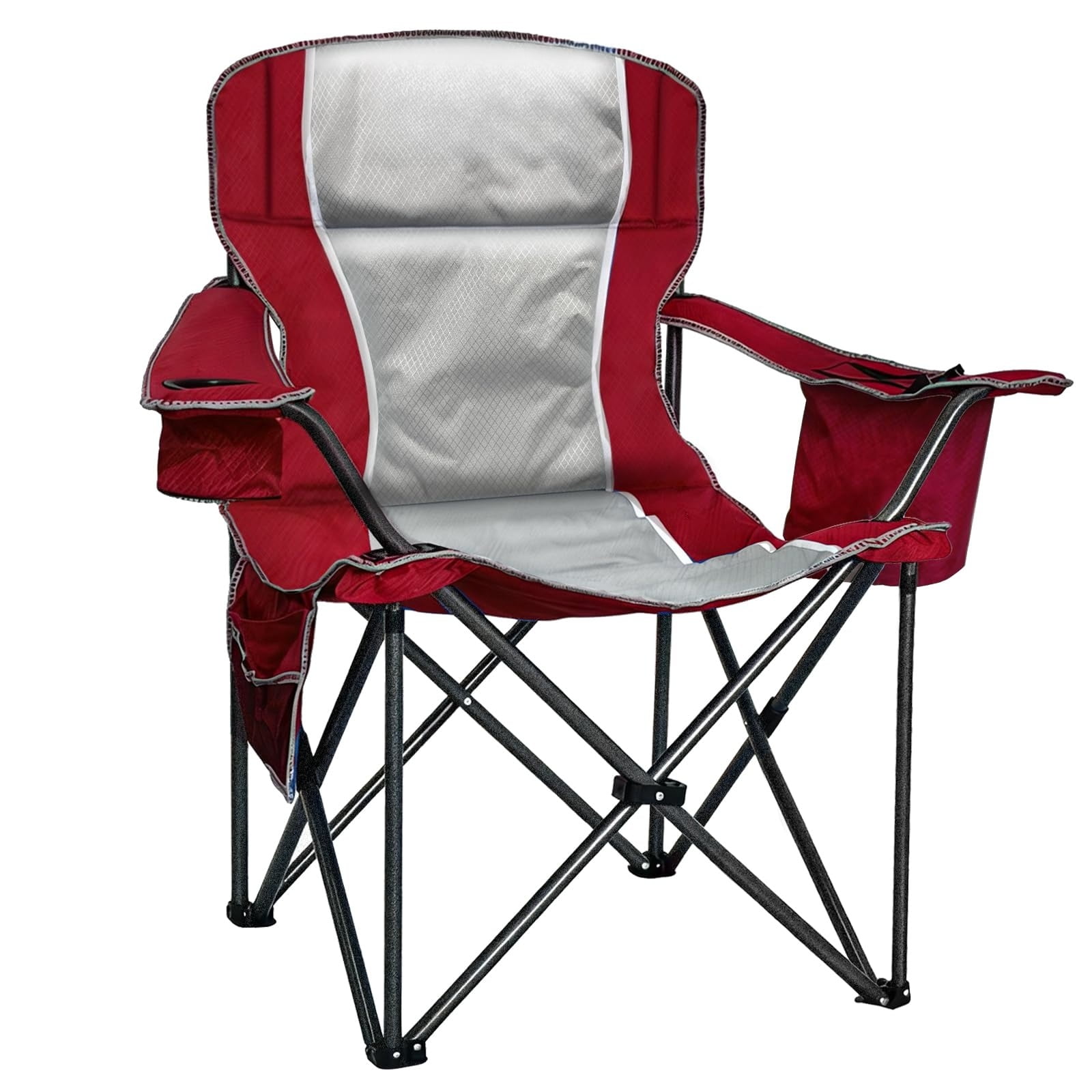
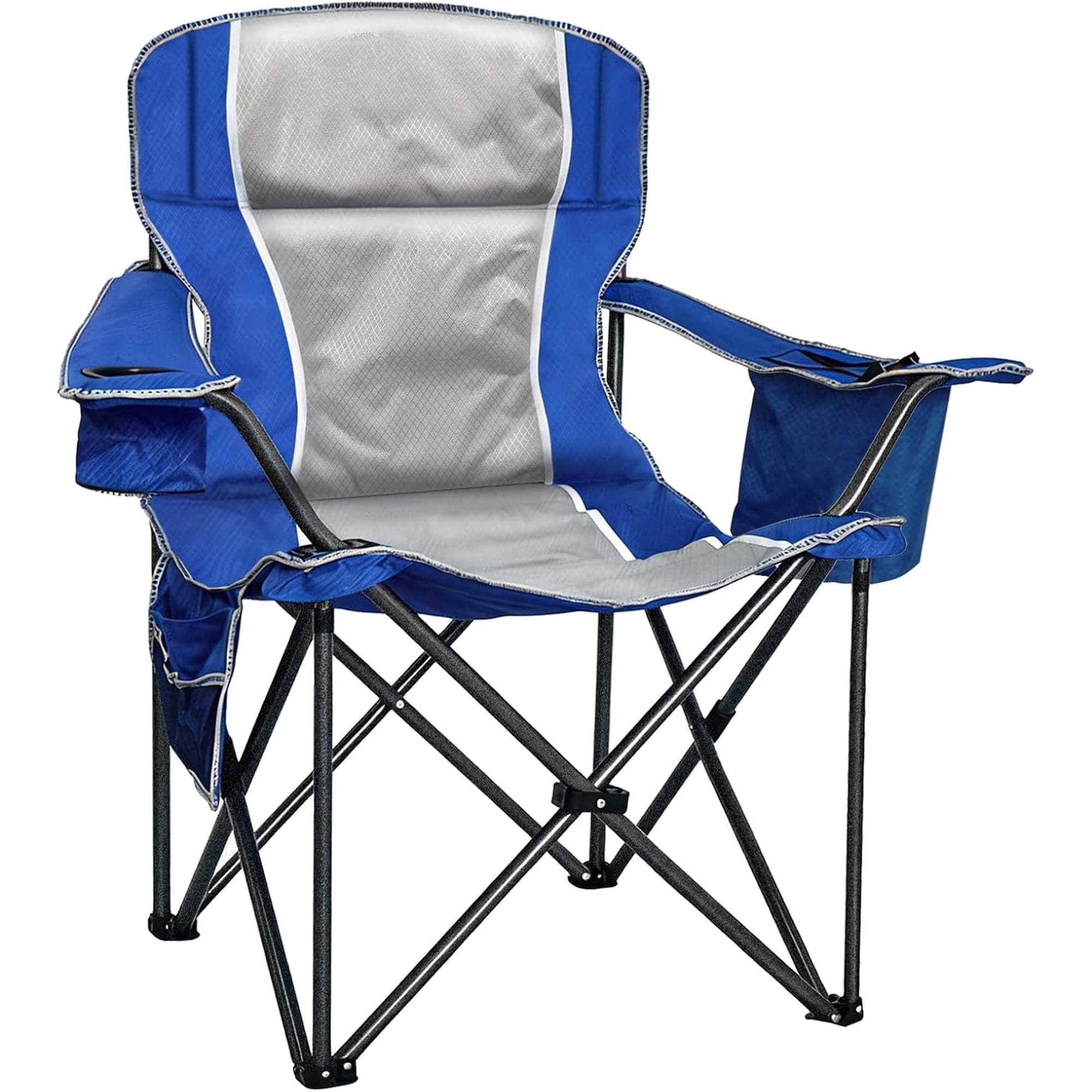
Camping Chair Weight Capacity: The Complete Guide
Understanding weight ratings is crucial for safety, durability, and comfort. Learn how to choose the right capacity for your body type and camping style.

Most common range for durable camping chairs
Maximum support for larger individuals
Average for budget and lightweight chairs
When shopping for outdoor seating, understanding camping chair weight capacity is one of the most critical factors. A chair's weight rating directly impacts safety, longevity, and overall comfort. Whether you're browsing chair types for casual backyard use or planning extended wilderness trips, knowing how to interpret weight limits will help you avoid disappointment and potential injuries.
Why Weight Capacity Matters
Choosing a camping chair with an appropriate weight rating ensures structural integrity and user safety. Exceeding the manufacturer's recommended limit can lead to:
- Frame failure – bent or broken aluminum/steel tubing
- Fabric tearing – especially at stress points like seat corners
- Joint collapse – hinges and connectors give way
- Voided warranty – most warranties don't cover overload damage

⚠️ Frame Failure
Exceeding weight capacity can cause bent tubing and joint failure

🧵 Fabric Tearing
Overloading creates stress at seams and attachment points
Understanding Weight Rating Categories
| Category | Weight Capacity | Best For | Chair Examples |
|---|---|---|---|
| Ultralight | Up to 250 lbs | Backpackers, minimalists | Lightweight backpacking chairs |
| Standard | 250-300 lbs | General car camping, casual use | Standard camping chairs, folding camp chairs |
| Heavy-Duty | 300-400 lbs | Families, frequent use, rugged terrain | Heavy duty camping chairs |
| XXL / Big & Tall | 400-600+ lbs | Larger individuals, maximum stability | XXL big & tall camping chairs |

Factors That Influence Real-World Capacity
Manufacturers determine weight ratings under ideal lab conditions. In reality, several factors affect how much weight a chair can safely handle:
🔩 Frame Material
Steel frames typically support more weight but add bulk. Aluminum frames are lighter but may have lower ratings. Read our steel vs aluminum comparison for deeper insights.
🧵 Fabric & Denier
Higher denier fabric (600D vs 300D) offers better tear resistance. Polyester blends outperform standard nylon in heavy-duty applications.
⚙️ Joint & Hinge Design
Reinforced joints with locking mechanisms increase load capacity. Look for chairs with double-stitched seams and steel rivets instead of plastic connectors.

🔩 Steel Frame
Maximum strength and weight capacity (400-600+ lbs)

✨ Aluminum Frame
Lightweight with good strength (250-350 lbs capacity)
How to Choose Based on Your Body Type
Selecting the right chair goes beyond the number on the label. Consider these guidelines:
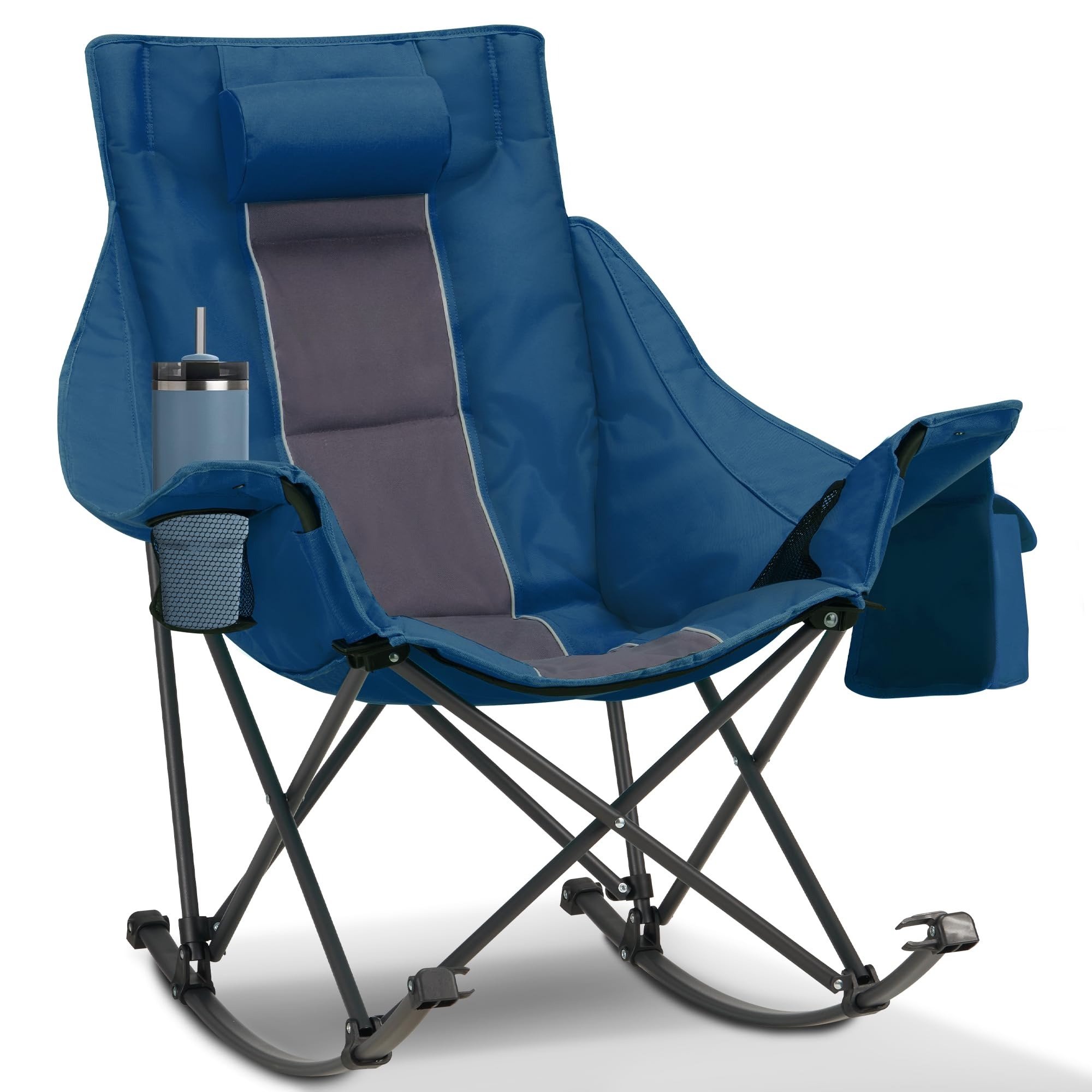
- Under 200 lbs: Most chairs will work, but consider ultralight models for portability or rocking chairs for relaxation.
- 200-280 lbs: Look for chairs rated 300 lbs minimum. Director chairs with steel frames offer excellent stability.
- 280-350 lbs: Prioritize heavy-duty camping chairs with 400+ lb ratings. Reinforced legs and wider seats are essential.
- 350+ lbs: Choose dedicated XXL big & tall chairs with 500-600 lb capacities, steel frames, and oversized dimensions.

✅ Expert Tips for Maximizing Chair Longevity
- Always add a 20% safety margin – if you weigh 250 lbs, choose a chair rated for at least 300 lbs.
- Consider dynamic loads – sitting down heavily or rocking places extra stress on the frame.
- Inspect before each use – check for loose bolts, frayed fabric, or bent tubing, especially after storage.
- Store properly – follow winter storage tips to prevent rust and fabric degradation.
- Don't ignore repair needs – learn how to repair broken parts before small issues become safety hazards.
Weight Capacity vs. Portability & Comfort
There's often a trade-off between weight capacity and portability. Lightweight backpacking chairs prioritize low packed size and minimal weight, but typically cap out around 250-300 lbs. Conversely, heavy-duty models can exceed 400 lbs but are bulkier and heavier to carry. For car campers, this trade-off favors durability. For backpackers, every ounce matters. Explore our comfort vs portability guide to find your balance.
Additionally, consider chairs with integrated features like side tables or built-in coolers—these add convenience but also extra weight. Ensure the frame's load rating accounts for the chair plus any added accessories and cargo.
Debunking Common Myths
✅ Fact: It's a safety threshold. Exceeding it risks sudden collapse and injury.
✅ Fact: Many XXL models offer extra padding, high backs, and reclining options for superior comfort.
✅ Fact: Material quality and construction matter equally. A 300-lb rated chair with reinforced joints may outlast a poorly made 400-lb chair.
Frequently Asked Questions
🔹 What happens if I exceed the weight capacity?
The chair may buckle, legs can bend, or fabric can tear. This creates a safety risk and voids the warranty.
🔹 Can two people sit in a single camping chair?
No. Most camping chairs are designed for single occupancy. Even if combined weight is under rating, unbalanced pressure damages the frame.
🔹 Does the weight capacity include the chair's own weight?
No. Weight capacity refers to the maximum user weight the chair can safely support, not including the chair's own mass.
🔹 Where can I find reliable weight capacity info?
Always check manufacturer specifications on the product label or official website. Avoid relying solely on third-party seller descriptions.
🔹 Are zero gravity chairs different?
Yes, zero gravity chairs distribute weight differently. Their ratings tend to be conservative due to the reclining mechanism, so always follow manufacturer guidelines.
Ready to Choose Your Perfect Chair?
Now that you understand weight capacity ratings, frame materials, and safety margins, you're equipped to make an informed purchase. Explore our curated recommendations below or visit our full buying guide for more details.
View Top 10 Camping Chairs →