
What is the Smallest Camping Chair?
Ultra‑compact Guide for Minimalist Adventurers
When every ounce and cubic inch matters, choosing the smallest camping chair can transform your backpacking, bikepacking, or travel experience. Discover chairs that pack down to the size of a water bottle — without sacrificing essential comfort.
Why the Smallest Camping Chair Matters
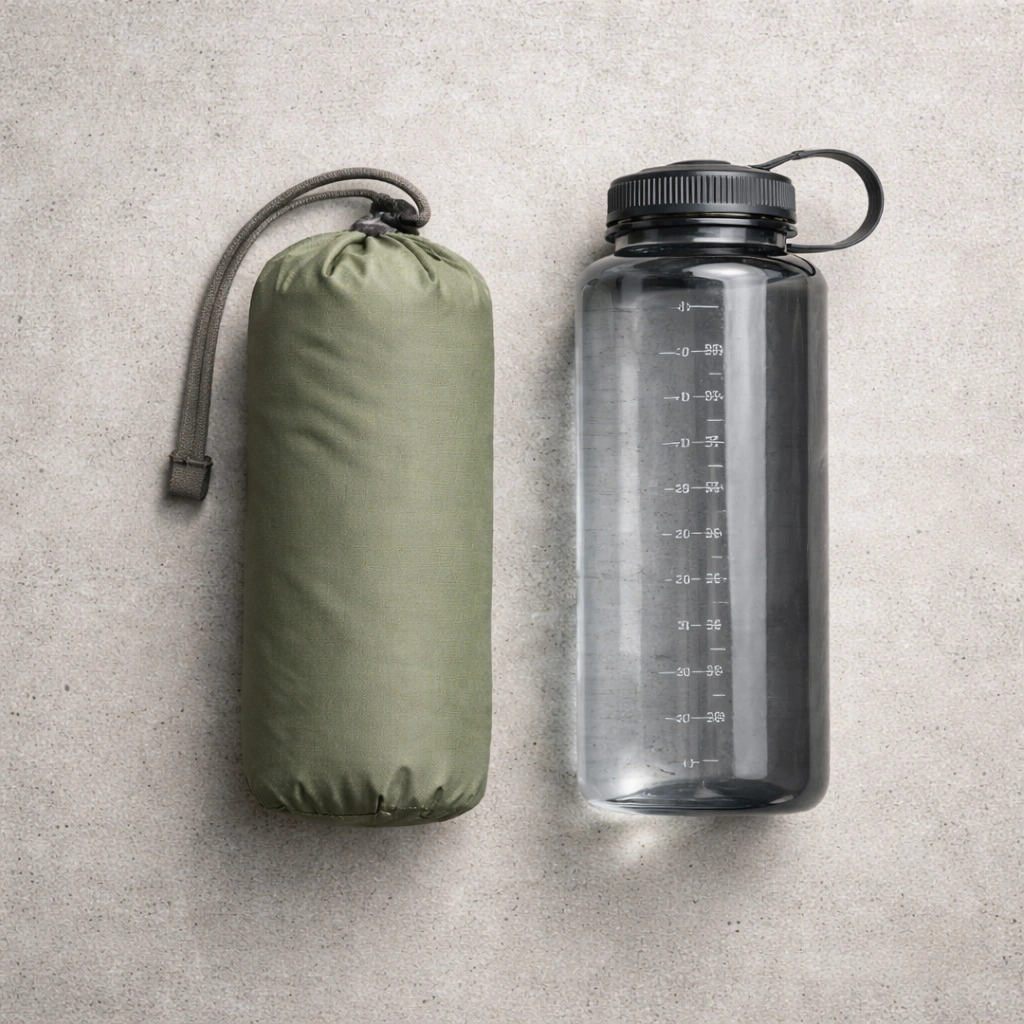
The Space Problem Solved
For outdoor enthusiasts, space is a premium resource. Whether you're squeezing gear into a 40L backpack, loading a motorcycle pannier, or traveling carry-on only, a bulky camp chair often gets left behind. The smallest camping chair category solves that problem: ultra-compact designs that fold into tiny packages, yet offer elevated seating, back support, and relaxation at camp.
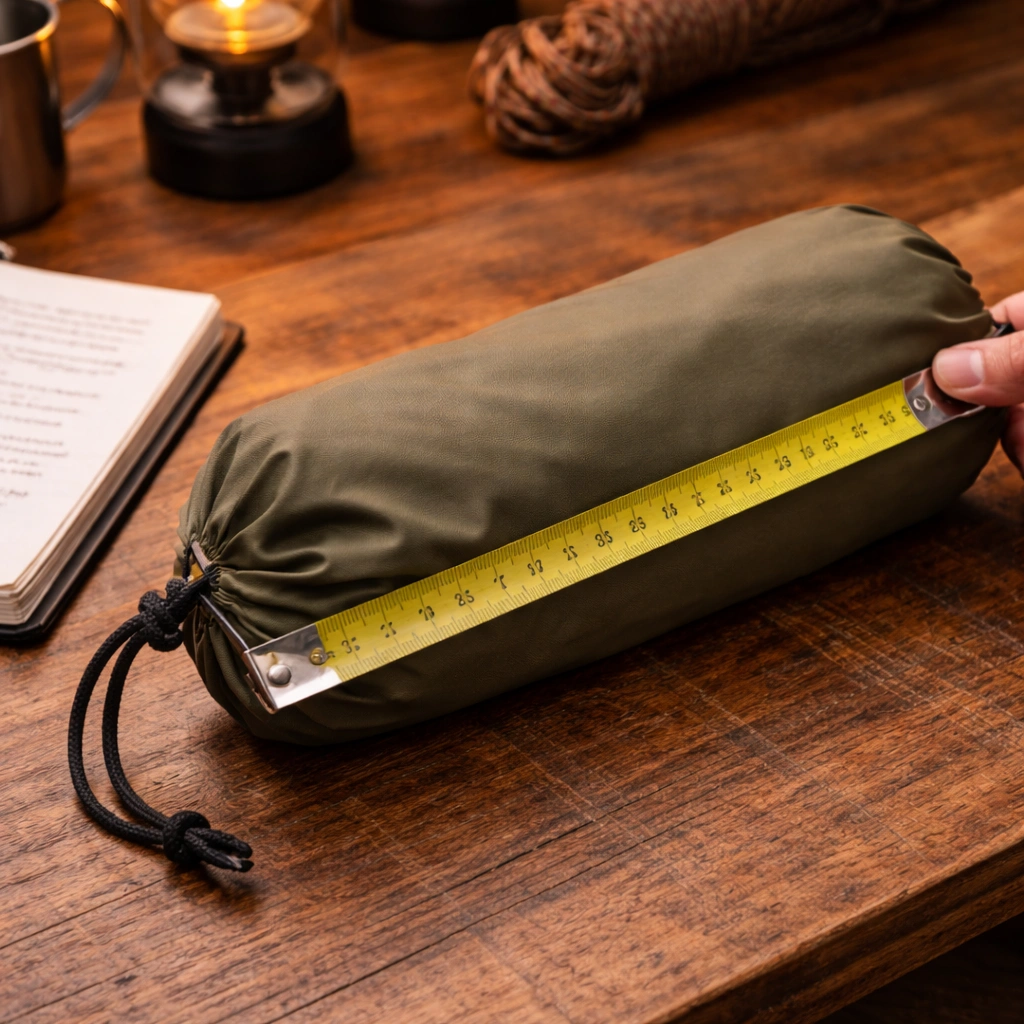
Unlike traditional standard camping chairs that hog trunk space, these micro-chairs prioritize packability while still providing a true seat off the ground. The best models compress into a cylindrical stuff sack roughly 12–14 inches long and 4–5 inches in diameter — small enough to slip inside a backpack side pocket or strap to the outside without throwing off your balance.
If you value minimalism and mobility, understanding packed dimensions, weight, and setup speed will help you pick the ideal companion for backpacking chairs ultralight adventures. Below we break down the smallest chairs on the market, compare materials, and help you decide between weight savings and seat height.
Smallest Camping Chairs: Packed Size & Weight Comparison
When shopping for the most compact chair, focus on two critical numbers: folded length and total weight. The smallest models collapse into a stuff sack roughly the size of a 1-liter water bottle. Here's how leading ultra-portable chairs stack up:

| Model Type | Packed Size | Weight | Capacity | Seat Height |
|---|---|---|---|---|
| Pole-frame ultralight (premium) | 13.5" x 4" x 4" | 1.1 lbs (510g) | 265 lbs | 9" |
| Air-frame ultralight | 12.5" x 4.2" x 4.2" | 1.1 lbs (500g) | 250 lbs | 8.5" |
| Elite ultralight with higher capacity | 12" x 4" x 5" | 1.1 lbs (510g) | 300 lbs | 8" |
| Compact mid-range (taller seat) | 14" x 5" x 5" | 1.9 lbs (860g) | 330 lbs | 11" |
| Ultralight tripod stool (no back) | 11" x 3" x 3" | 0.6 lbs (280g) | 220 lbs | 13" |
The absolute smallest camping chair in terms of packed volume belongs to the ultralight tripod stool category at just 11" x 3" x 3" — but it offers zero back support. For a full chair with backrest, premium pole-frame models lead at approximately 12–14 inches packed length. Always cross-check with your packed size comparison needs, especially if you're pairing with a camping gear packing checklist for multi-day treks where every cubic inch of backpack space is allocated.
Materials: Balancing Featherweight & Durability
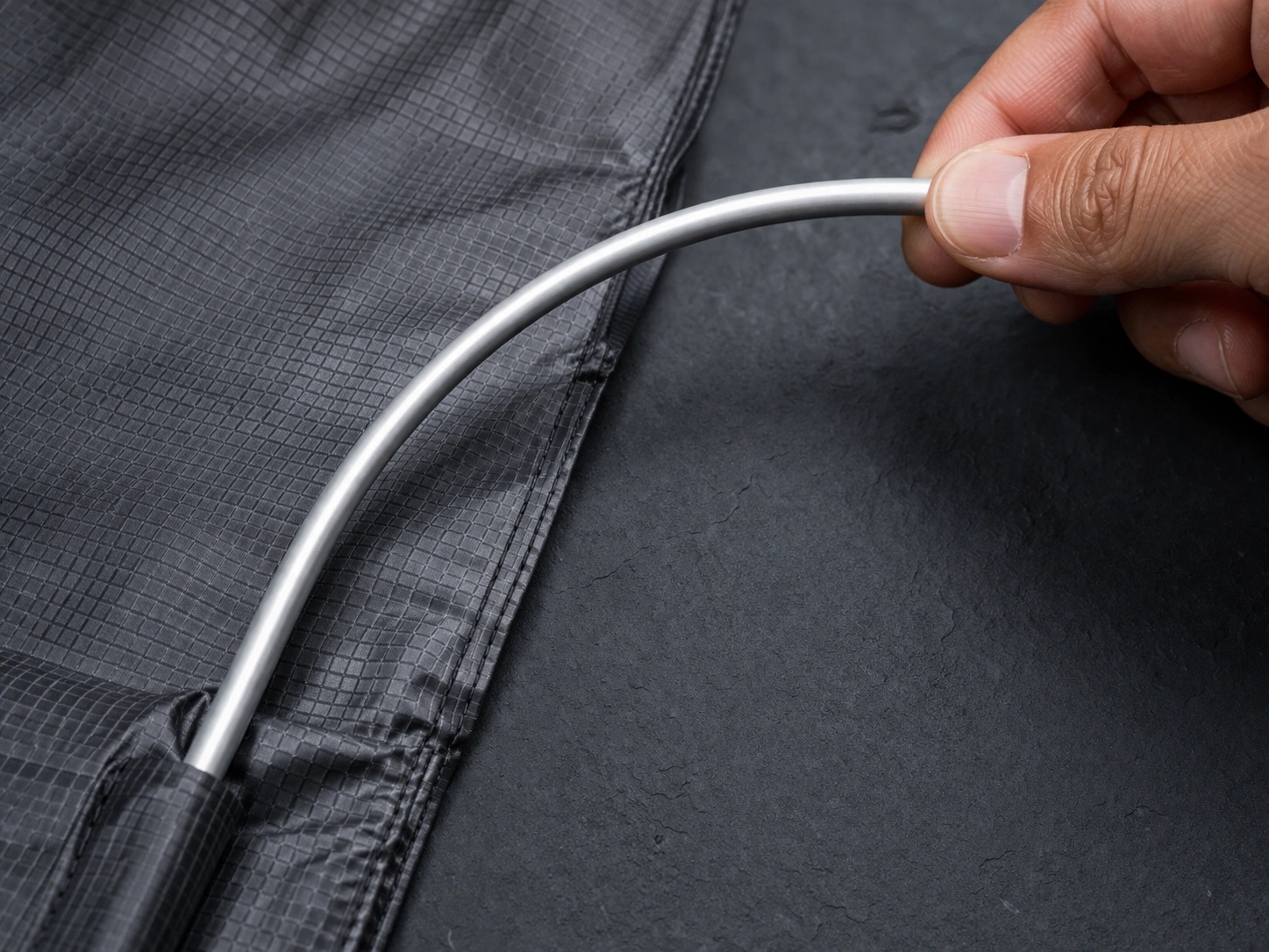
To achieve the smallest possible packed size, manufacturers use advanced materials that would seem impossibly thin to the casual observer. Most top-tier compact chairs rely on DAC aluminum alloy poles — the same high-grade tubing used in premium tent poles — which offer an exceptional strength-to-weight ratio that standard aluminum cannot match.
For the seat fabric, denier (D) ratings are key: ultralight chairs typically use 100D–300D ripstop nylon or polyester. Ripstop weave incorporates reinforcement threads at regular intervals — if a tear starts, it stops at the next reinforcement line, preventing catastrophic failure. This is critical when your entire seat weighs under 2 ounces.
A handful of premium models now incorporate carbon fiber components for the absolute lightest construction, shaving precious grams but at significant cost increase. For budget-conscious hikers, best budget camping chairs now offer compact aluminum-frame options that are slightly heavier (2–3 lbs) but still dramatically smaller than traditional folding chairs. For frame longevity comparisons, see steel vs aluminum camping chairs — aluminum dominates the micro-chair category for good reason.
Comfort vs Portability: Finding Your Sweet Spot
The fundamental trade-off with the smallest camping chairs is seat height and backrest support. Understanding this trade-off helps you pick a chair you'll actually enjoy using — not one that stays in your pack because it's too uncomfortable.
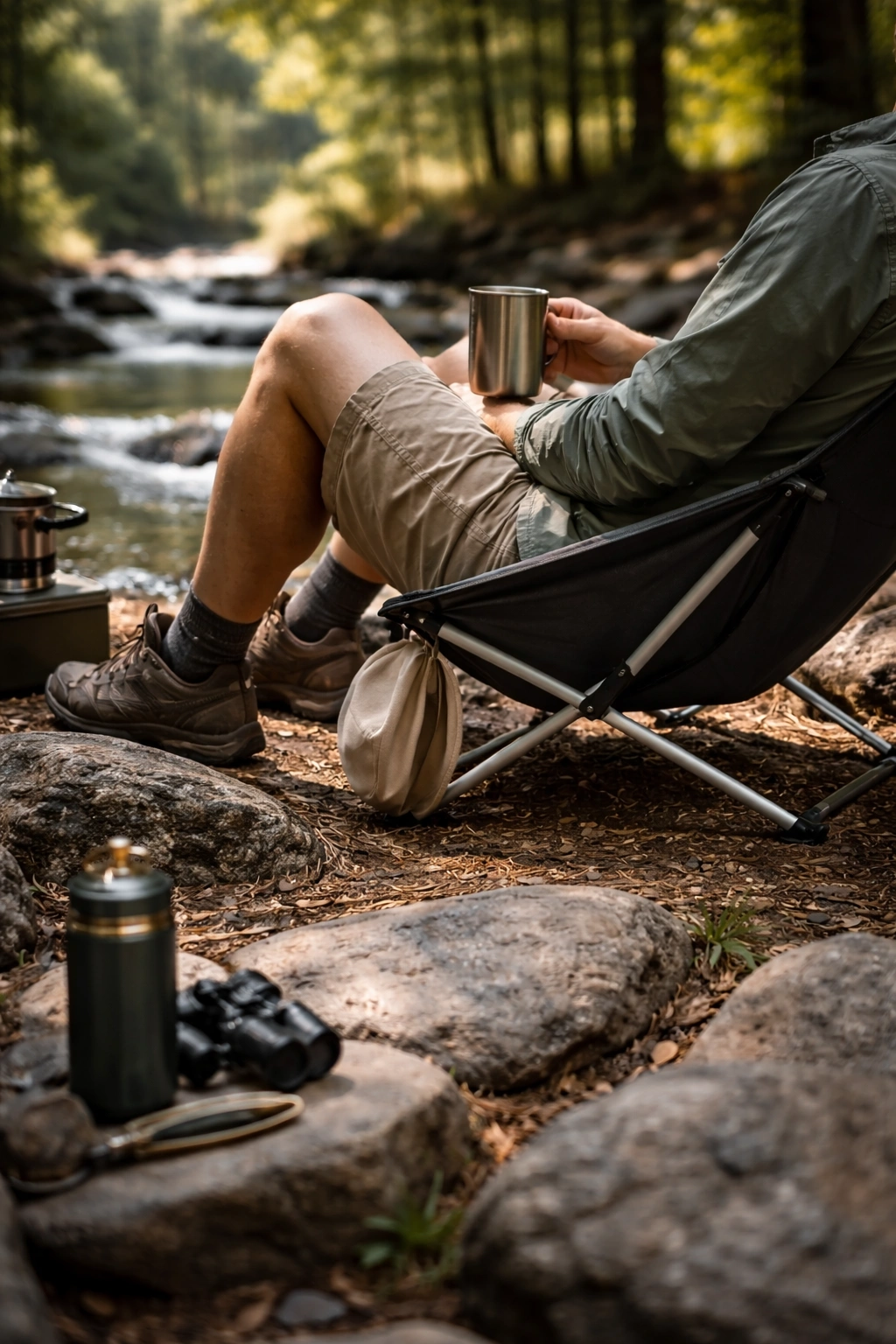
Low-slung chairs (seat height 6–9 inches) position you close to the ground, which feels unusual at first but offers two surprising advantages: exceptional stability on uneven terrain (your center of gravity is lower), and a more natural sitting angle that many backpackers prefer over hours of use.
However, if you have knee issues, limited mobility, or simply prefer a more traditional seating position, low chairs become a liability. Getting up from an 8-inch seat requires more effort than from a 17-inch standard chair. For these situations, compact models with slightly taller legs (10–14 inches) like the KingCamp or GCI compact series offer a better compromise — still packing small but providing easier entry and exit. Our full comfort vs portability analysis breaks this down in detail.
For seniors specifically, we recommend prioritizing seat height over packed size — see best camping chairs for seniors for ergonomic picks with 15"+ seat heights that still fold relatively compact.
✅ Advantages of Ultra-Compact Chairs
- Fits inside a backpack side pocket or carry-on luggage
- Ideal for bikepacking, kayaking, and wilderness backpacking
- Quick setup: most use collapsible pole systems (under 30 seconds)
- Reduces fatigue by getting you off the cold ground at camp
- Barely noticeable weight on trail — easy to forget it's there
⚠️ Considerations & Trade-offs
- Lower seat height (harder for seniors or those with knee issues)
- Minimal padding compared to car camping comfort chairs
- Lower weight capacity on some ultralight models (220–265 lbs)
- Higher price per ounce compared to standard chairs
- Less wind resistance — can feel unstable in strong gusts
Where the Smallest Camping Chair Shines
These micro-chairs aren't just for backpackers — they excel in any situation where bulk and weight are liabilities. Here are the top use cases where a compact chair dramatically improves the experience:
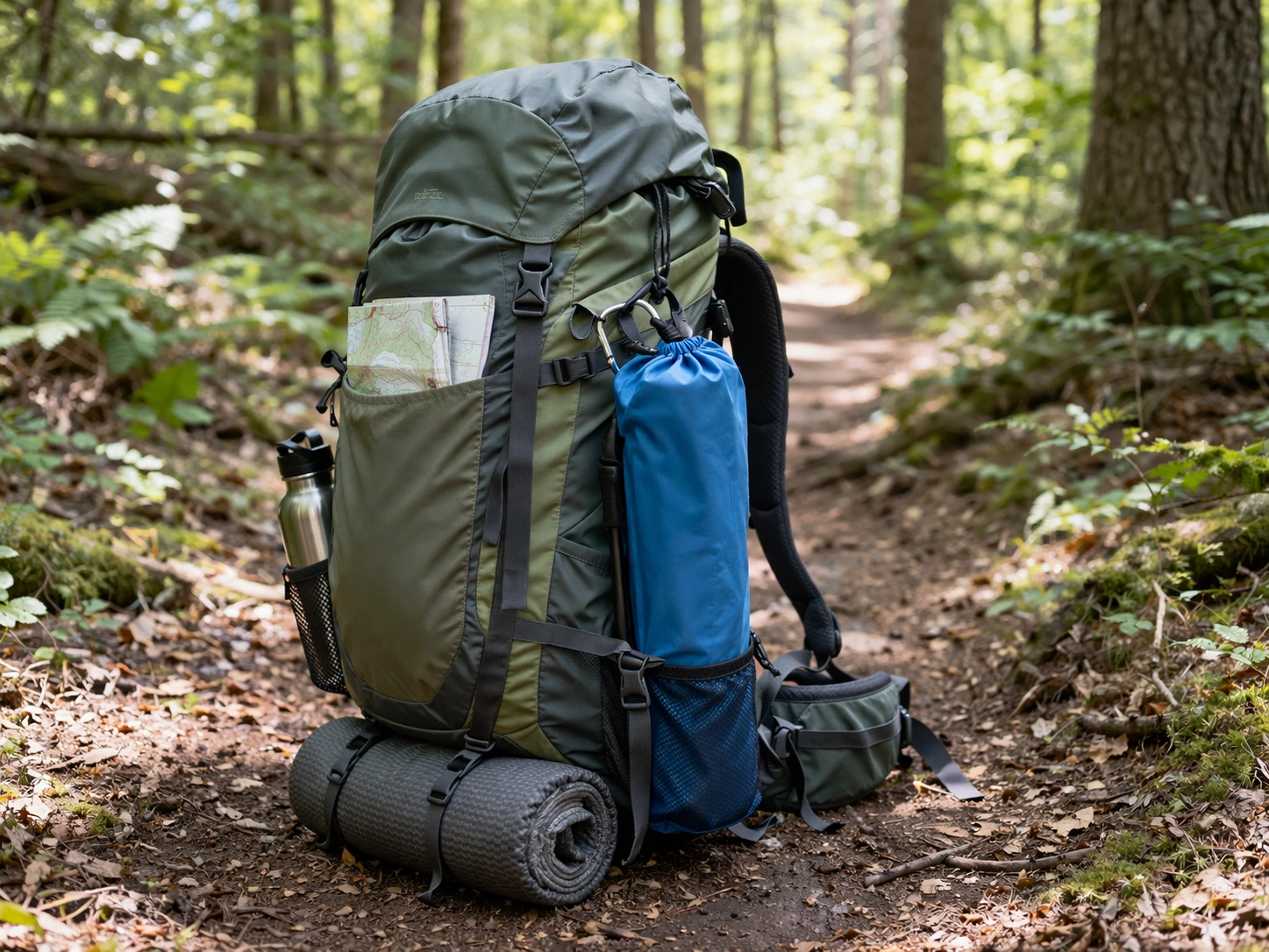
🥾 Thru-Hiking & Backpacking
Clip to your pack's exterior with a carabiner. At 1–2 lbs, it's a luxury item that pays dividends in morale after a 20-mile day. Many long-distance hikers consider it their most valued non-essential piece of gear.
🎸 Festivals, Concerts & Travel
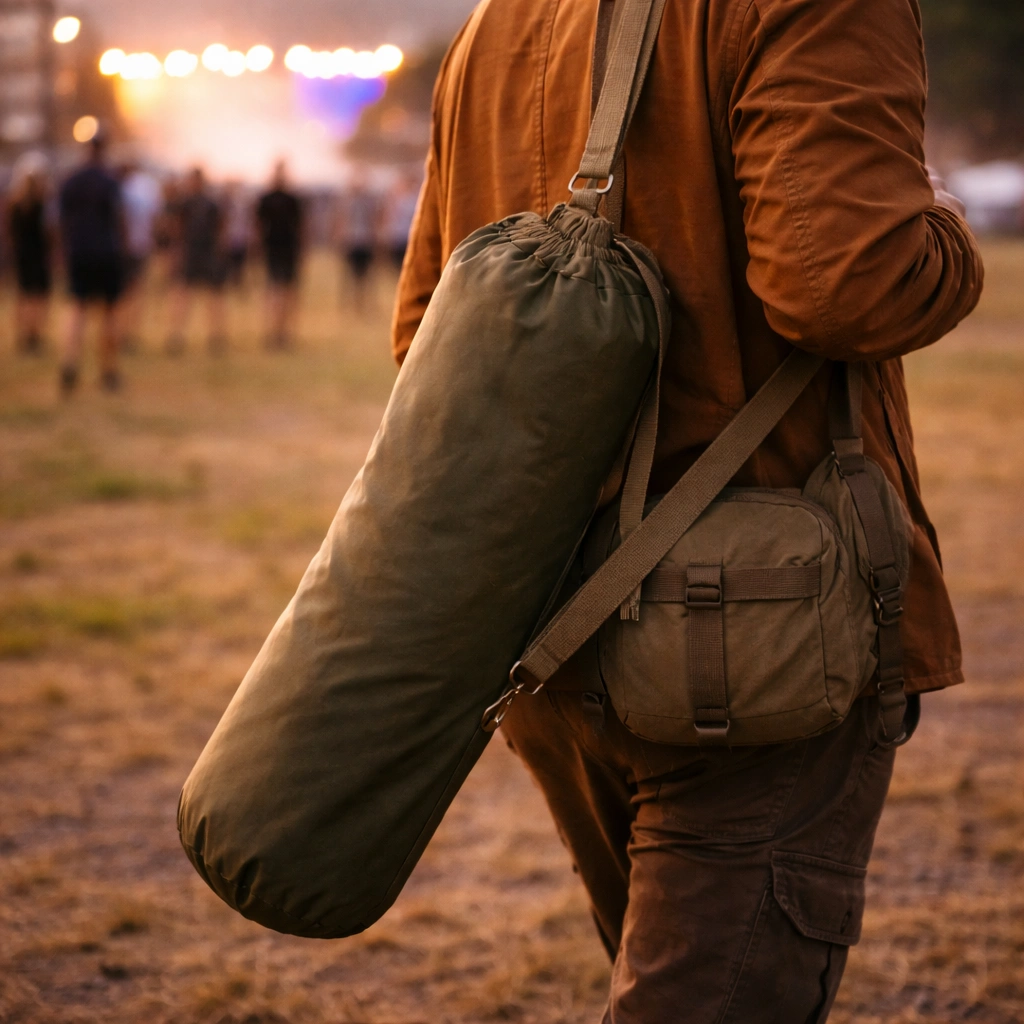
Skip the venue rental chairs and carry your own. Shoulder straps make hands-free transport easy through crowds and parking lots. Packs in checked luggage or even carry-on for international trips.
🚙 Overlanding & Vehicle Camping
In overlanding rigs where cargo space is meticulously planned, a micro-chair saves precious volume for recovery gear, water, and tools. Stash several under seats or in door pockets.
📌 Pro tip from ChairsForCamping: If you're a thru-hiker or long-distance cyclist, the smallest camping chair often becomes your single most morale-boosting item — providing a legitimate seat after grueling miles when sitting on rocks or logs loses its appeal. The psychological benefit of "having a chair" at camp is disproportionate to its physical size. Pair it with a lightweight side table if you need extra surface area, but for pure minimalism, these chairs deliver unparalleled freedom.
Caring for Your Ultra‑Compact Chair
Because these chairs use lightweight, thin-walled components, proper care is essential to prevent premature failure. The most common killer of ultralight chairs isn't weight overload — it's dirt and moisture degrading the internal shock cord and pole joints.
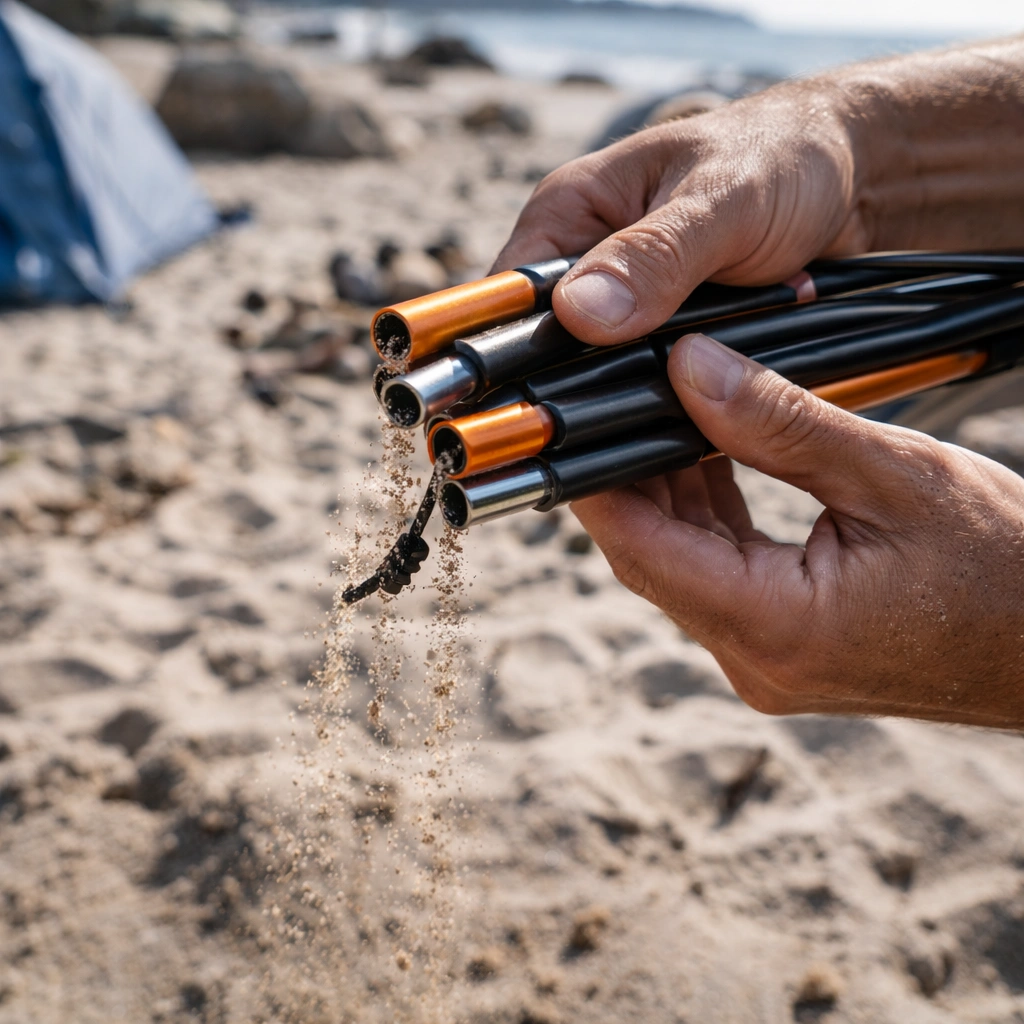
Before every packing: Shake out all dirt, sand, and debris from the pole sections. Even fine grit acts like sandpaper inside the hollow tubes, gradually wearing the shock cord and creating friction that makes setup difficult. At beach campsites, rinse poles with fresh water and air-dry completely before collapsing.
For fabric cleaning, follow how to wash camping chair fabric — hand wash with mild soap, rinse thoroughly, and air-dry. Never machine-wash or machine-dry ultralight chair fabrics; the agitation can damage ripstop weave and delaminate any coatings. Avoid leaving your chair set up under direct sun for prolonged periods — UV degradation is the silent killer of lightweight nylon.
If something breaks: The most common failure point is the internal shock cord losing elasticity (typically after 2–3 years of heavy use). Replacement cord kits are inexpensive and easy to install — see camping chair repair parts for sources. For bent poles or wobbly joints, our fix wobbly leg guide covers diagnosis and repair. Simple maintenance ensures your $80–$150 investment lasts for hundreds of trail miles.
How to Choose the Right Micro-Chair for You
Before purchasing, systematically evaluate these four factors to avoid disappointment. The "smallest" chair isn't always the "best" chair — it's the smallest chair that still meets your specific needs.
After evaluating these factors, you'll be ready to confidently choose the smallest camping chair that aligns with your outdoor lifestyle. Still undecided? Compare our Helinox vs Nemo camping chairs breakdown — these two brands dominate the ultralight category and represent the best benchmark comparison. Or visit our FAQ for additional answers about packed sizes, weight ratings, and materials.

📚 Further reading: Enhance your gear knowledge with materials explained, how to choose a camping chair, and our camping chair gift guide — the smallest chairs make exceptional gifts for minimalist adventurers who already have everything else.


