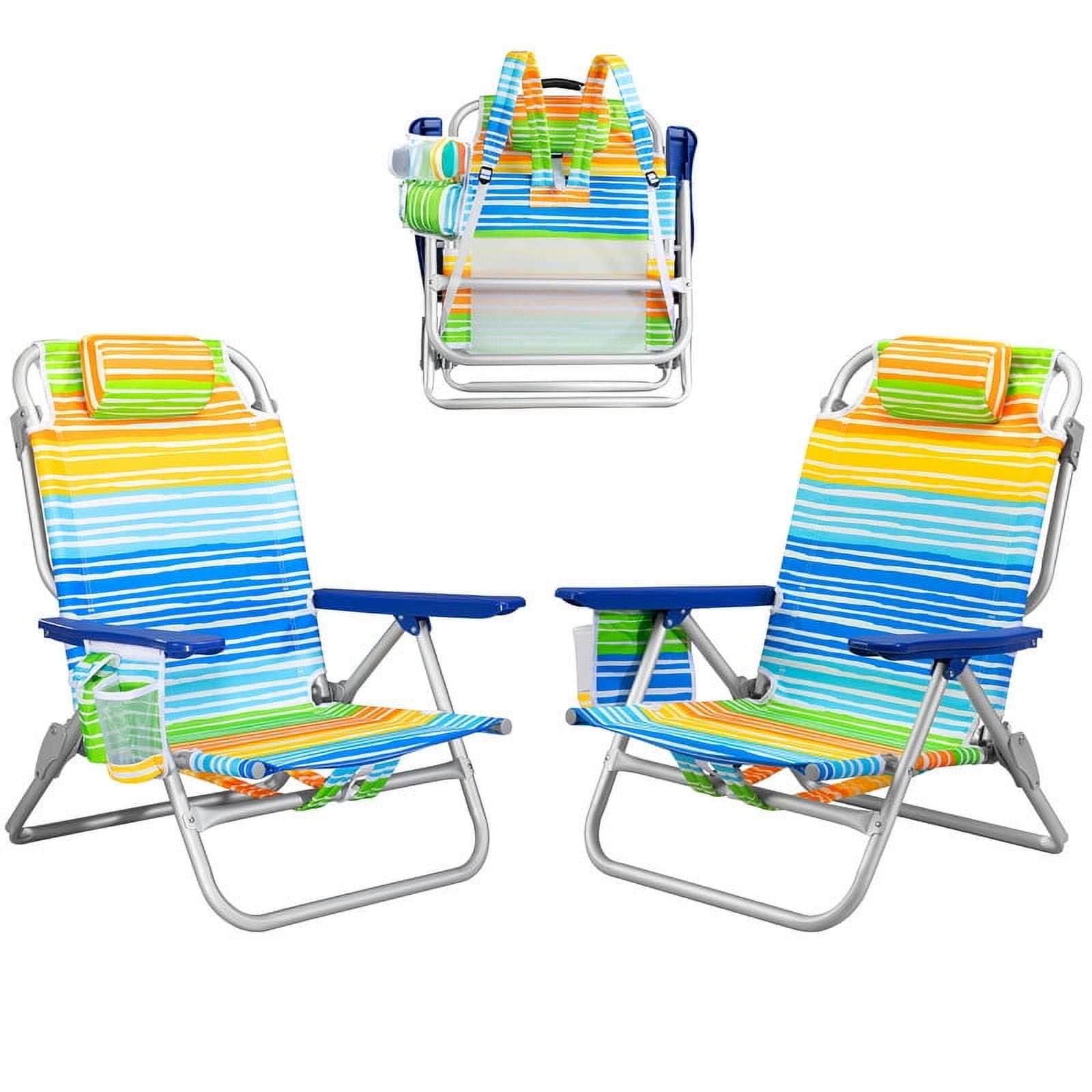
Backpack vs Wagon Camping Chairs: The Ultimate Showdown
Which style fits your outdoor lifestyle? Portability or plush comfort? We break down everything you need to know.
Compare Now →📊 At a Glance: Backpack vs Wagon Camping Chairs
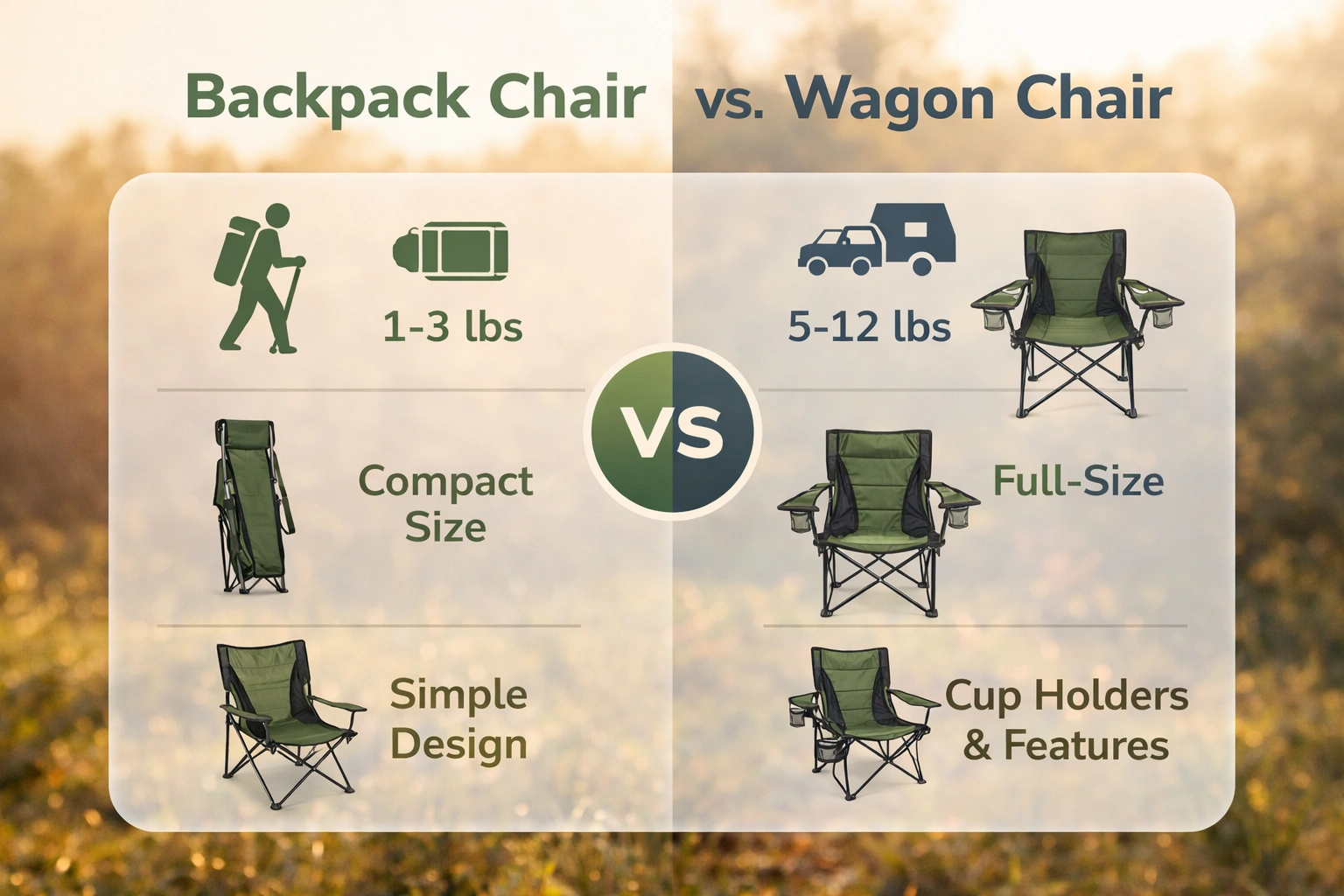
Quick visual guide to help you choose the right chair for your adventure
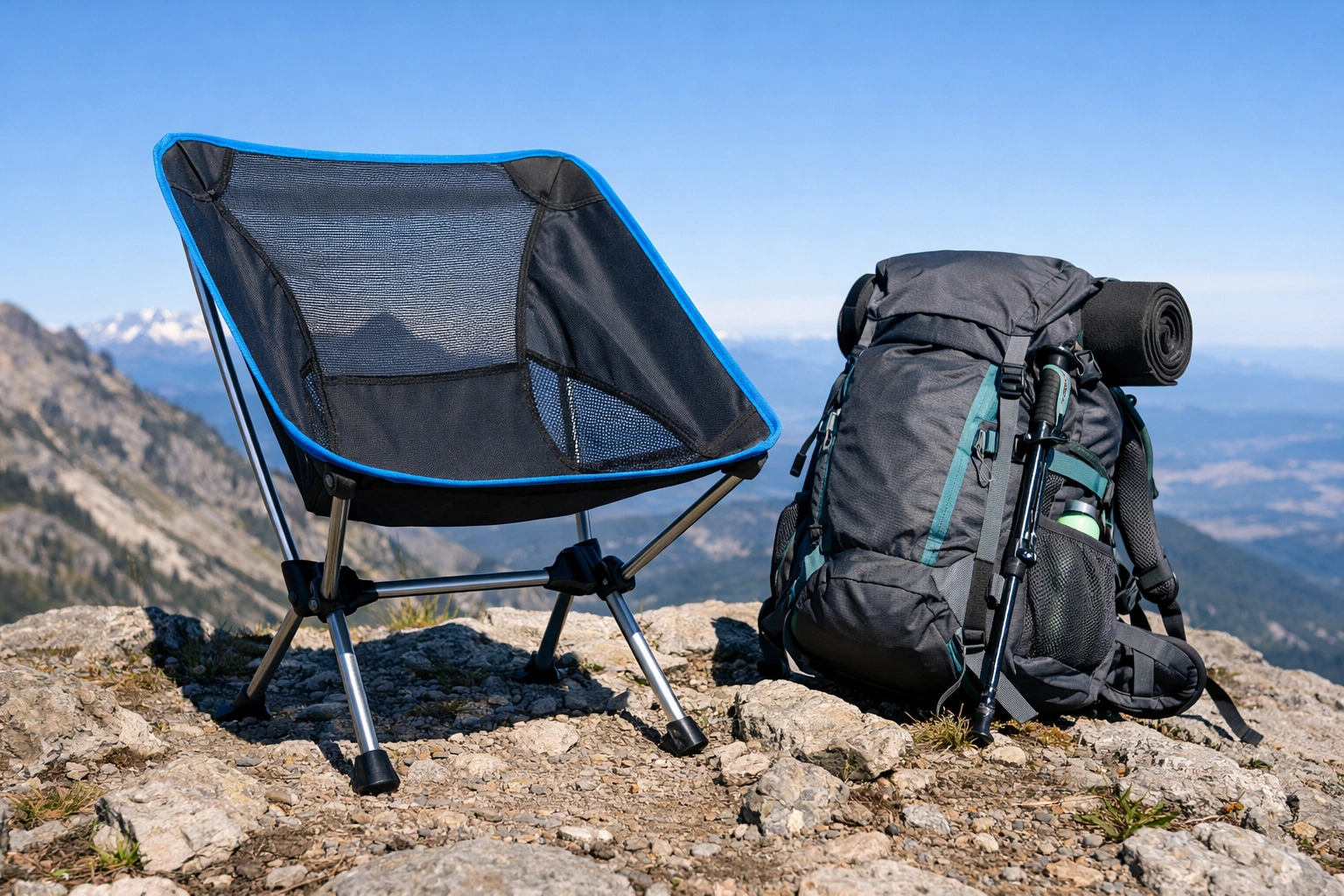
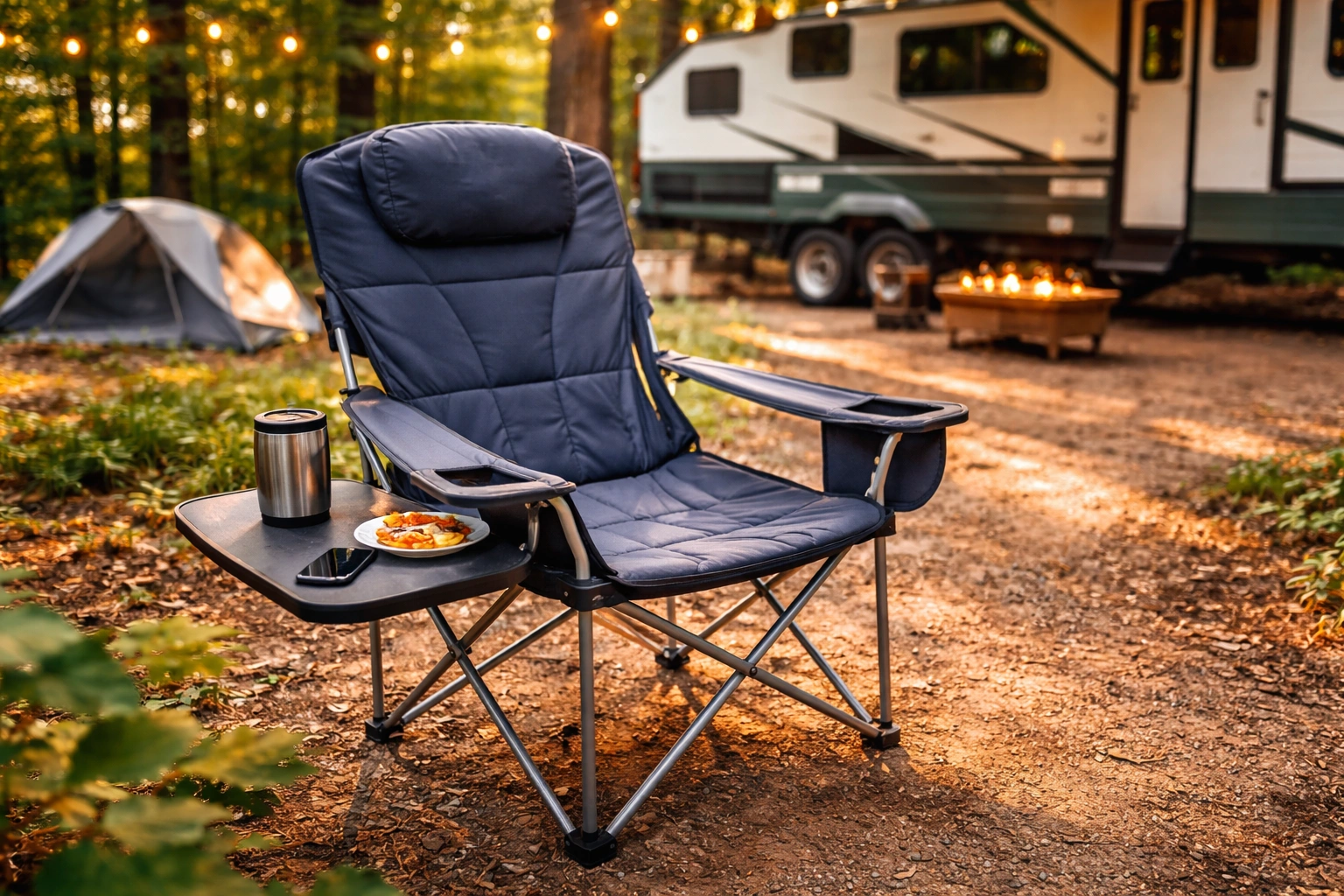
🎒 vs 🚐 The Great Debate: Choosing between a backpack-style chair and a wagon-style camping chair isn't just about weight—it's about matching your gear to your adventure. Backpack chairs prioritize ultralight portability for hikers and minimalists, while wagon chairs deliver max comfort and durability for car campers and basecamp setups. Read on to discover which one truly fits your camping style.
Backpack Chairs vs Wagon Chairs: Head-to-Head
Both categories serve distinct purposes. Understanding their core differences in weight, packed size, durability, and intended use will help you avoid buyer's remorse. Below we dissect every crucial aspect so you can make a confident decision.
| Feature | 🎒 Backpack Camping Chairs | 🚐 Wagon / Car Camping Chairs |
|---|---|---|
| Weight | Ultralight (1–3 lbs / 0.5–1.4 kg) Designed for backpacking, bikepacking, and long treks. |
Heavier (5–12+ lbs / 2.3–5.4+ kg) Prioritizes durability and comfort over weight. |
| Packed Size | Compact (fits inside backpack) Folds down to 12–16 inches; some models pack smaller than a water bottle. |
Bulky (requires car trunk or wagon) Larger folded dimensions; often includes carry bag with shoulder strap. |
| Comfort & Support | Minimal padding, low seat height, sometimes no armrests. Best for short breaks or lightweight lounging. | Plush, high-back, padded seats, often with cup holders, side tables, and reclining options. |
| Frame Material | Aluminum alloy (lightweight, corrosion-resistant). | Steel or heavy-duty aluminum (maximum stability and weight capacity). |
| Weight Capacity | Typically 250–300 lbs, but some ultralight models support up to 320 lbs. | Often 300–600+ lbs, heavy-duty options for larger individuals. |
| Setup Time | Fast: unfold or snap together in under 30 seconds. | Simple: unfold and lock; some require minimal assembly. |
| Durability | Great for moderate use, but not intended for daily heavy-duty abuse. | Built to last years with reinforced joints and weather-resistant fabrics. |
| Best For | Backpackers, hikers, bike campers, festival-goers walking long distances. | Family car camping, tailgating, RV trips, extended basecamp stays. |
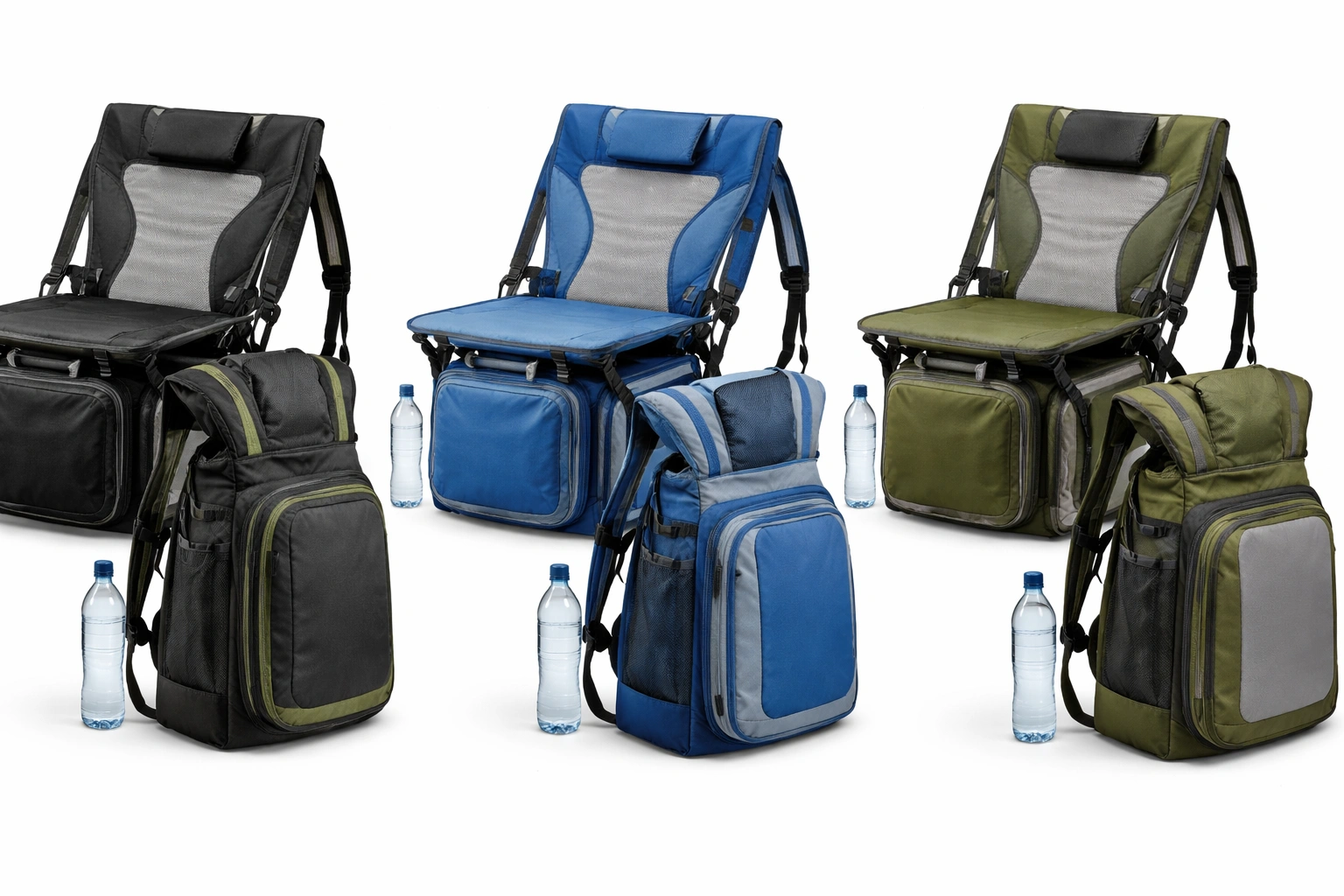
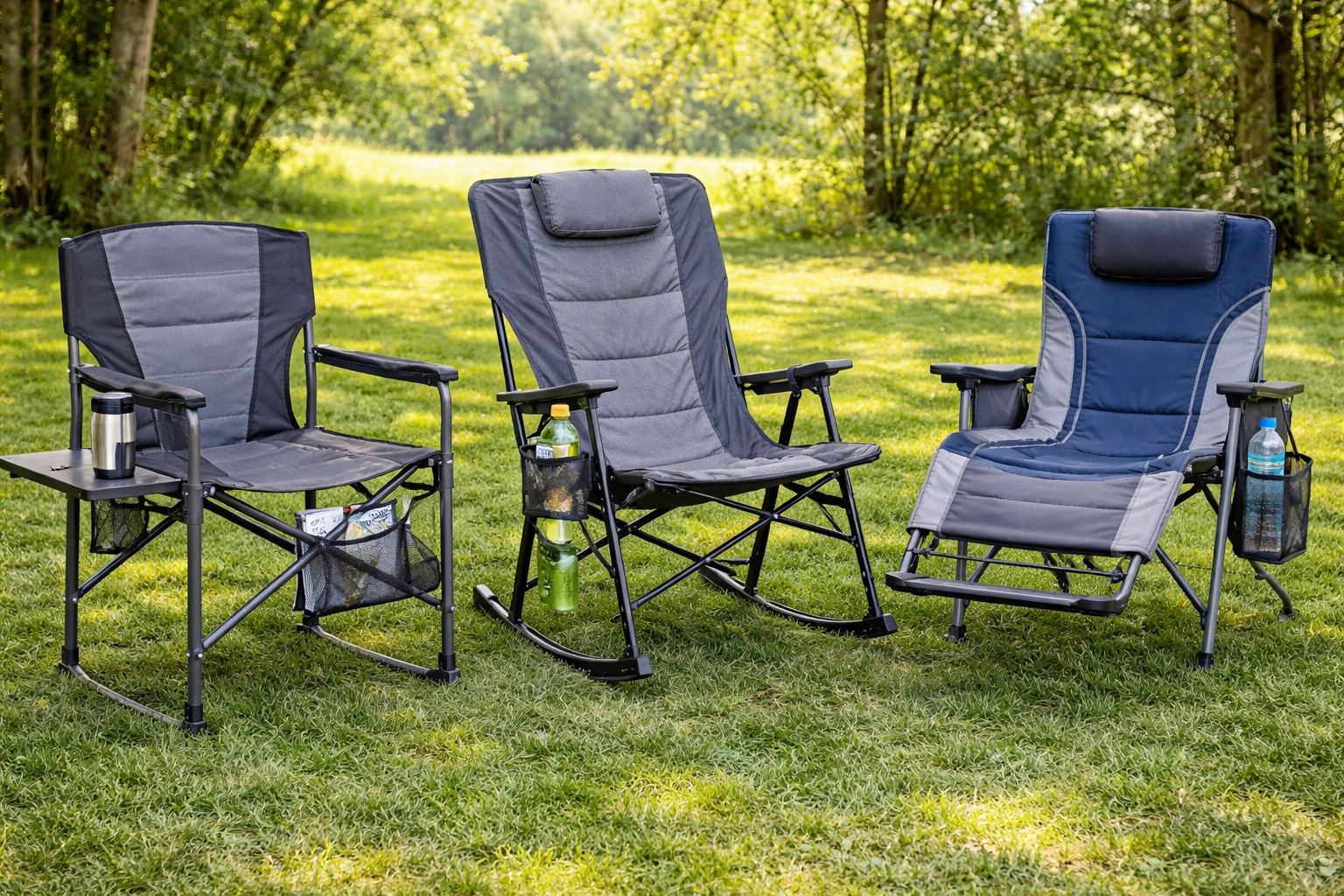
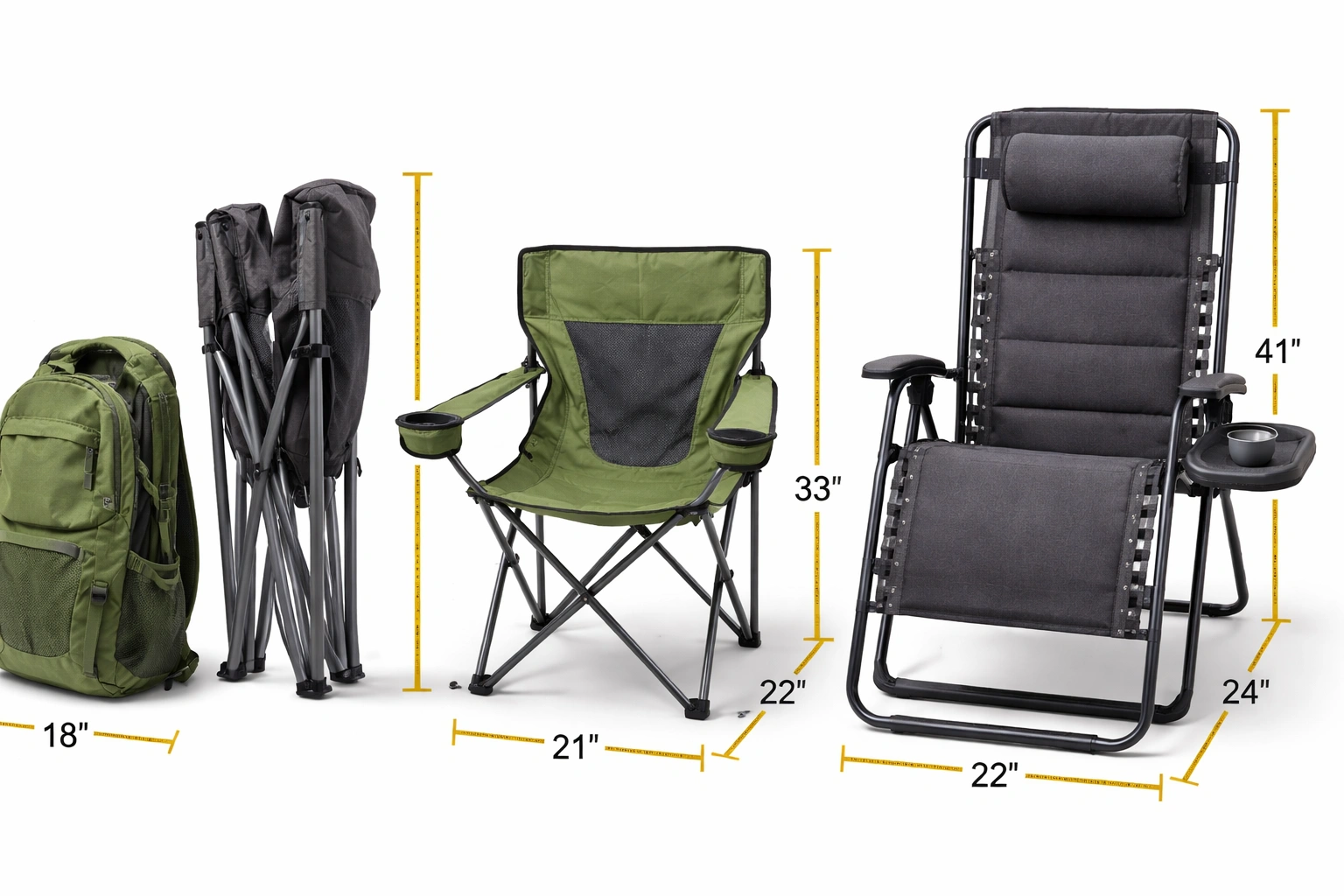
✅ Advantages of Backpack Chairs
- Extremely lightweight and portable – perfect for long-distance travel.
- Compact packed size fits inside a hiking pack or pannier.
- Quick setup and breakdown – ideal for on-the-go breaks.
- Often made with durable aluminum frames that resist rust.
- Minimalist design that encourages lightweight camping principles.
❌ Disadvantages of Backpack Chairs
- Lower seat height may be less comfortable for extended sitting.
- Limited padding – can feel less cozy after hours of use.
- Fewer features (no integrated coolers or side tables).
- May not accommodate heavier users compared to heavy-duty options.
✅ Advantages of Wagon / Car Camping Chairs
- Maximum comfort: High backs, padded seats, and often include ottoman or footrest options.
- Superior durability: steel frames and reinforced stitching withstand years of use.
- Higher weight capacity: many support 400+ lbs, ideal for big and tall campers.
- Feature-rich: cup holders, side tables, insulated pockets, and even built-in coolers.
- Better stability on uneven ground.
❌ Disadvantages of Wagon Chairs
- Heavy and bulky – not feasible for backpacking or long walks.
- Requires significant storage space in vehicle or garage.
- More expensive than basic backpack models in many cases.
- Often heavier to carry from car to campsite if no wagon available.
Match Your Camping Style: Real-World Scenarios
Your choice ultimately depends on how you camp. Below are common scenarios to help you visualize the right fit.
Scenario: The Solo Backpacker — You hike 8–12 miles to a remote lake, carrying all gear on your back. Every ounce matters. A backpack chair weighing under 2 lbs like the Helinox Chair Zero or REI Co-op Flexlite is your perfect companion. It provides a comfortable place to rest without sacrificing pack space. Check our best ultralight backpacking chairs guide for top picks.
Scenario: Family Car Camping Weekend — You drive directly to a developed campground, unload coolers, tents, and a canopy. Here, comfort trumps weight. Choose a plush car camping chair with a high back, padded arms, and maybe even a side table. Brands like Coleman or GCI Outdoor offer models that keep the whole family happy around the campfire for hours.
Scenario: Mixed Adventures (Day hikes + Basecamp) — Many campers enjoy both worlds. Consider owning two types: a lightweight chair for backpacking trips and a heavy-duty wagon-style chair for drive-up camping. This gives you the best of both. If budget or space is a concern, mid-weight options like director chairs offer a balance between portability and comfort — explore our director chairs guide for alternatives.
Materials & Construction: What Really Matters
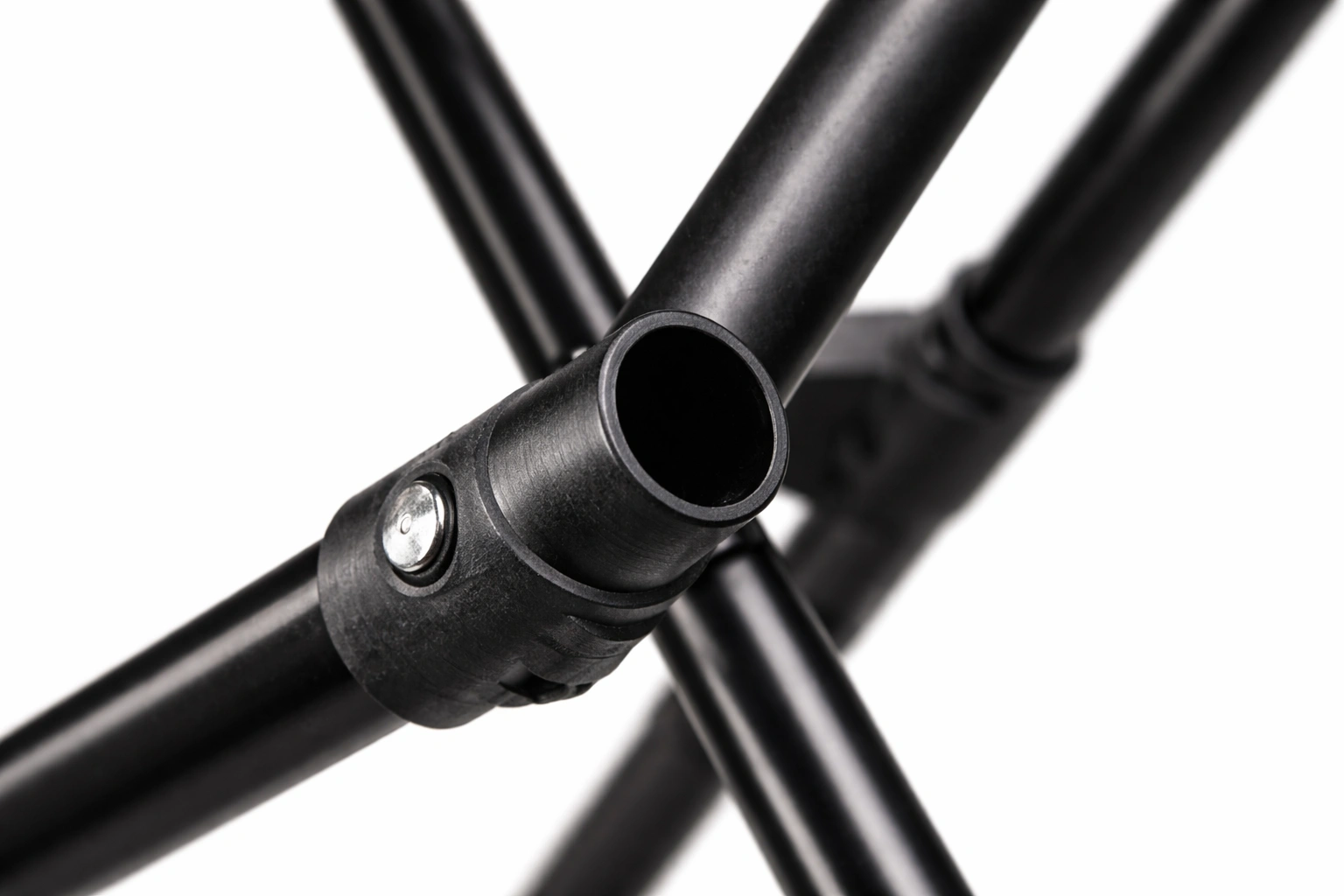
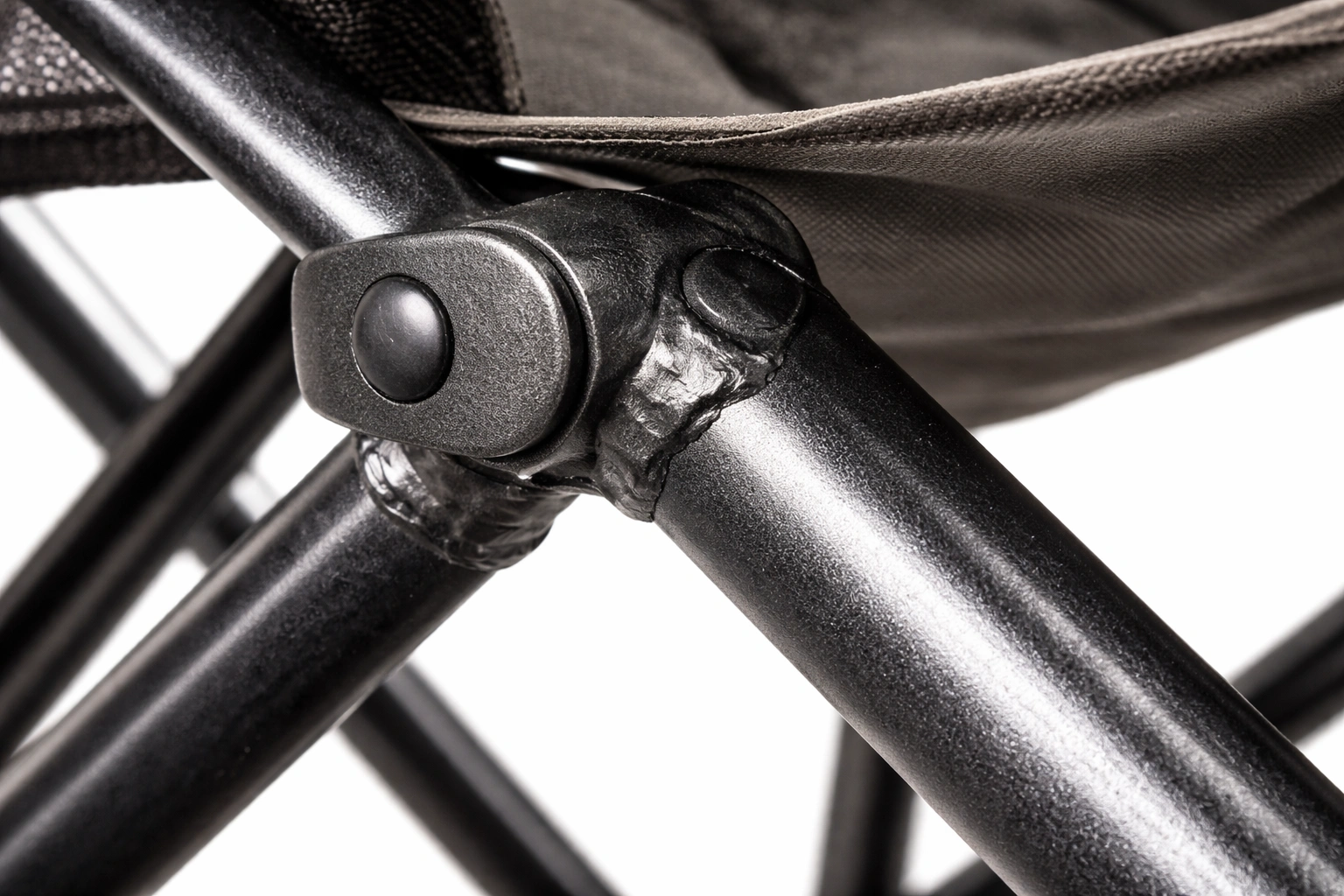
Beyond weight, the longevity of your chair depends on frame material, fabric denier, and joint construction. Here’s a quick comparison:
- Backpack chair frames: Almost always 7000-series aluminum — lightweight yet strong. Look for DAC aluminum poles (used in premium tents) for maximum strength-to-weight ratio. Learn more about steel vs aluminum frames.
- Wagon chair frames: Powder-coated steel is common for stability and longevity. Some high-end models use reinforced aluminum to reduce weight while keeping high capacity.
- Fabric: Backpack chairs use ripstop nylon or polyester (150D–600D) to save weight. Wagon chairs use heavy-duty polyester (600D–1200D) or breathable mesh. Check our guide on denier fabric explained.
Portability vs Comfort: Finding Your Sweet Spot
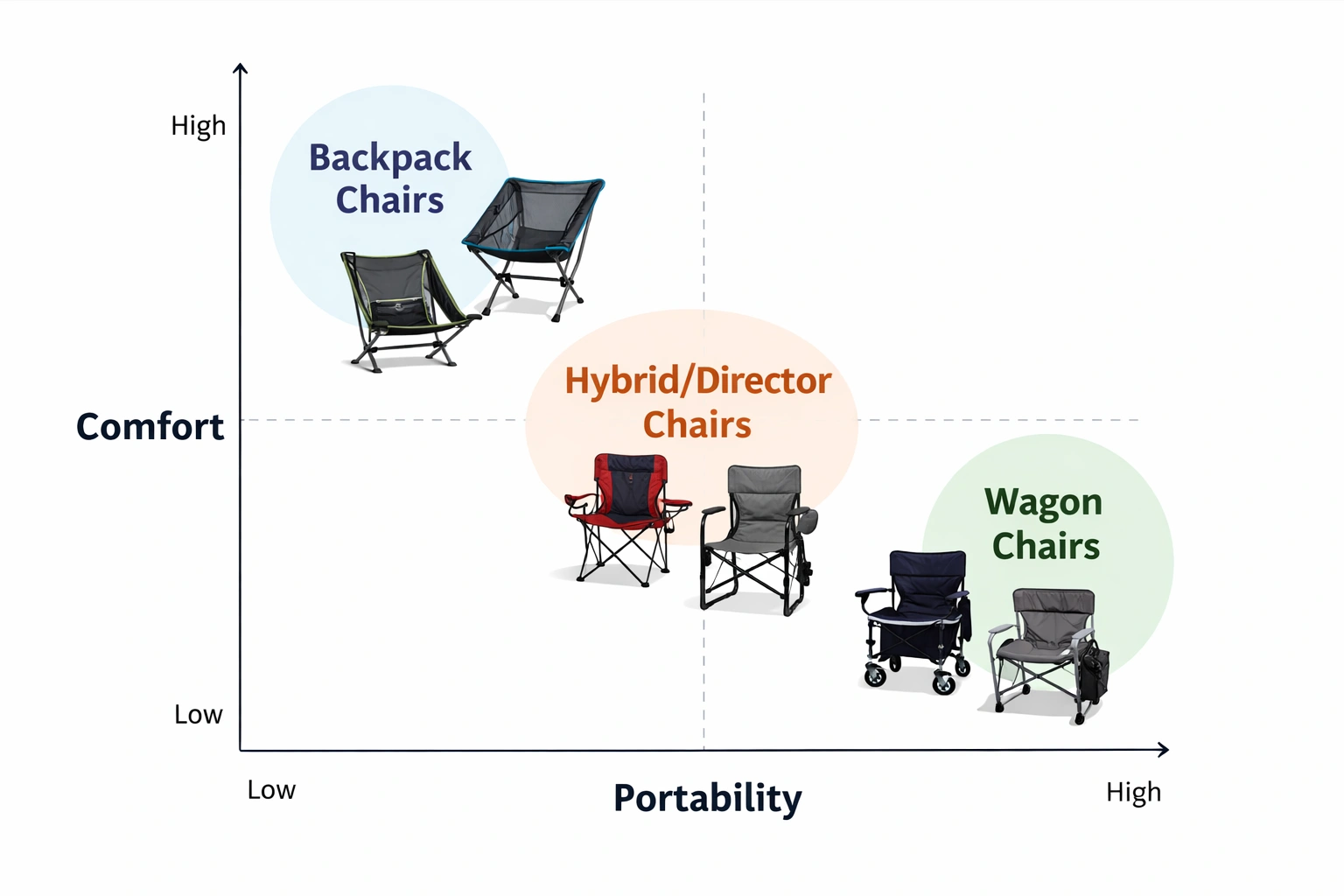
If you’re torn between extremes, consider mid-range options like director chairs or folding quad chairs. These provide better portability than wagon chairs but more comfort than ultralight backpack chairs. They often feature side tables, cup holders, and moderate weight (6–8 lbs). Our comfort vs portability deep dive can help you further refine your choice.
Also, consider the packed size if you have limited trunk space. Some wagon chairs fold into a flat, suitcase-style design, while backpack chairs pack into a small stuff sack. For RV campers, space is premium; a compact but comfortable chair might be the solution. Check our packed size comparison chart for exact dimensions of popular models.
Weight Capacity & Structural Integrity
One of the most overlooked factors is the actual weight rating vs. real-world use. Many backpack chairs list capacity between 250–300 lbs, but repeated use near the limit may cause wear on joints. If you weigh over 250 lbs or plan to share the chair with others, a heavy-duty wagon chair is safer and more comfortable. Explore our best heavy-duty chairs (400+ lbs) for robust options. Understanding weight capacity explained can prevent accidents.
Beyond the Basics: Features & Add-ons
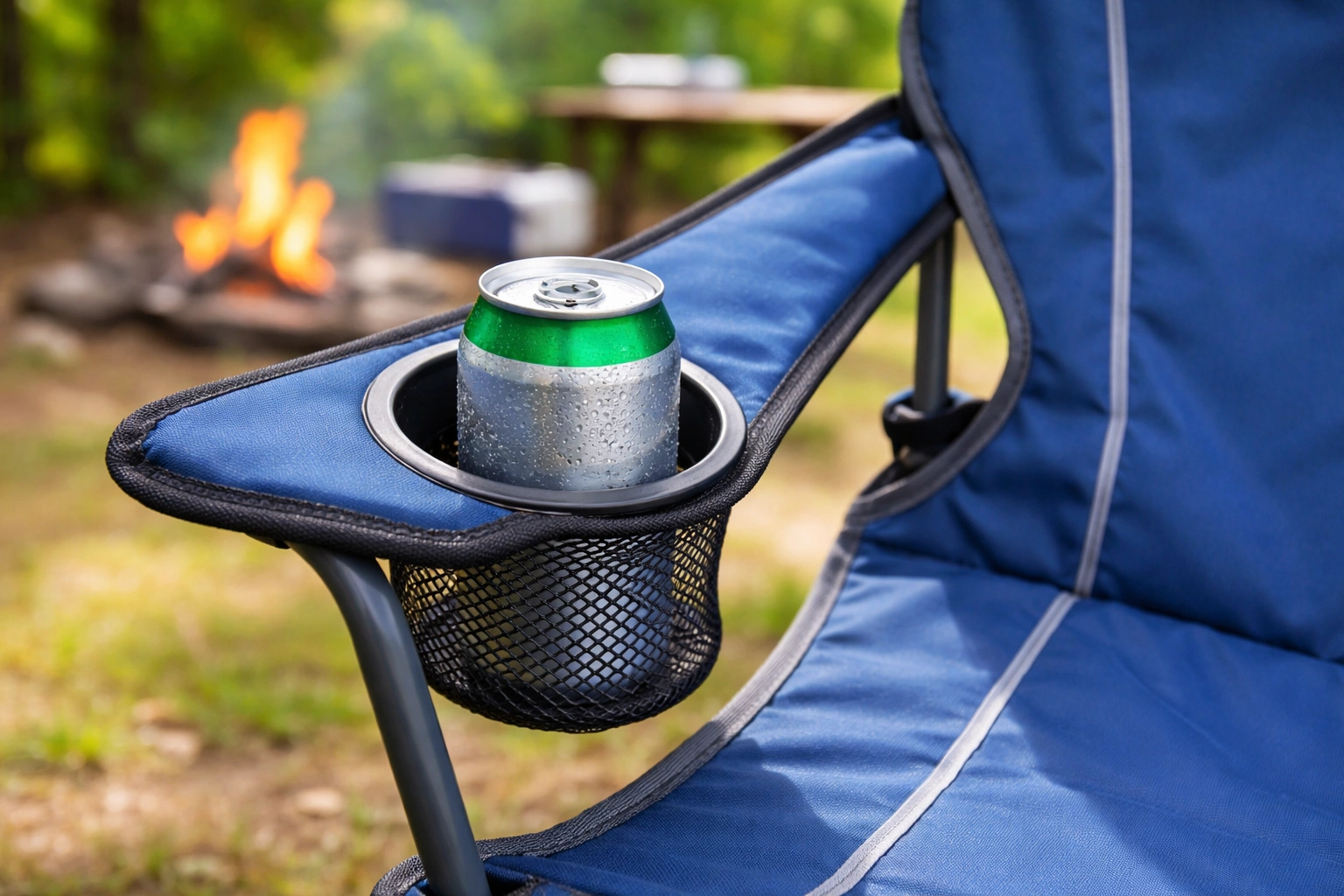
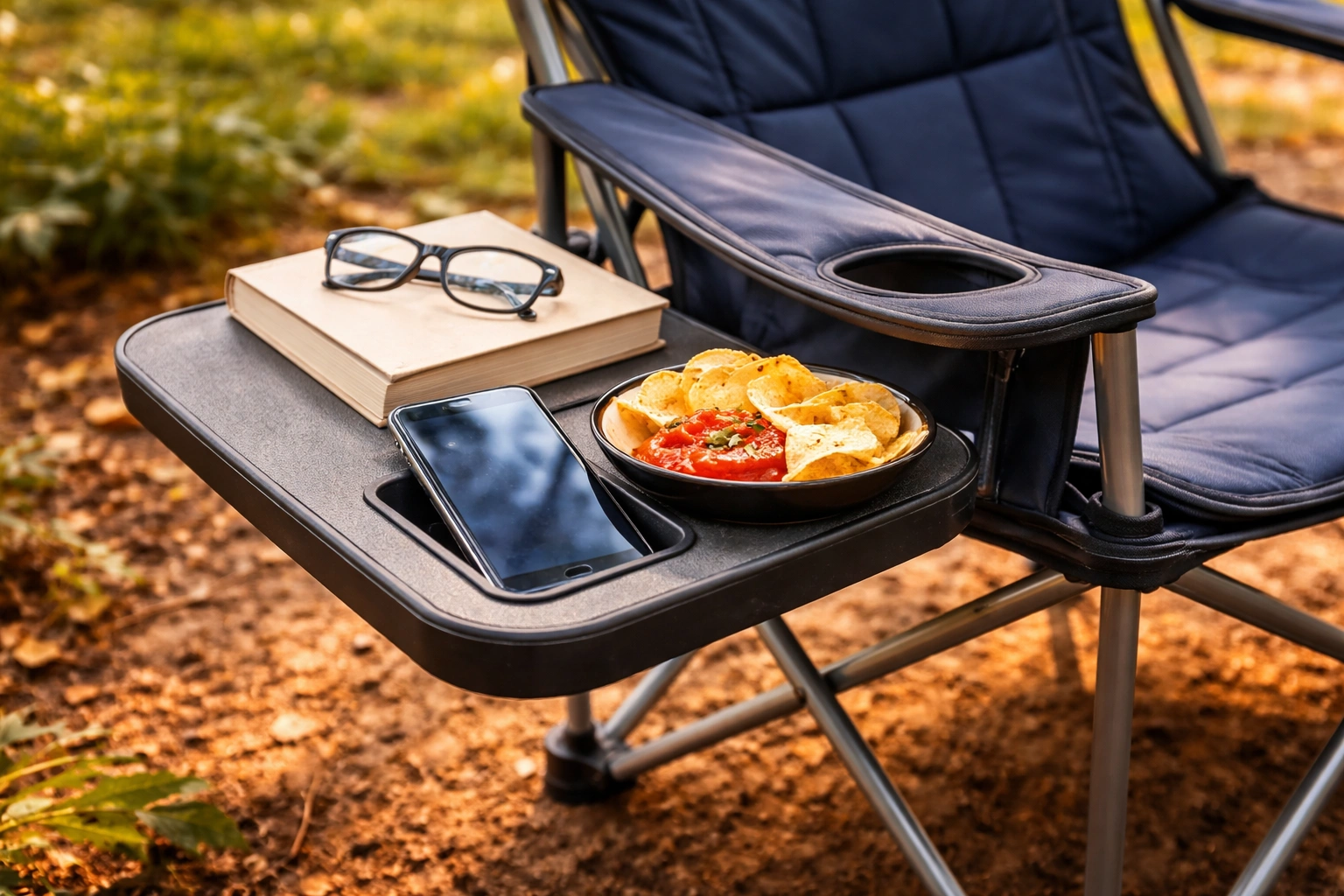
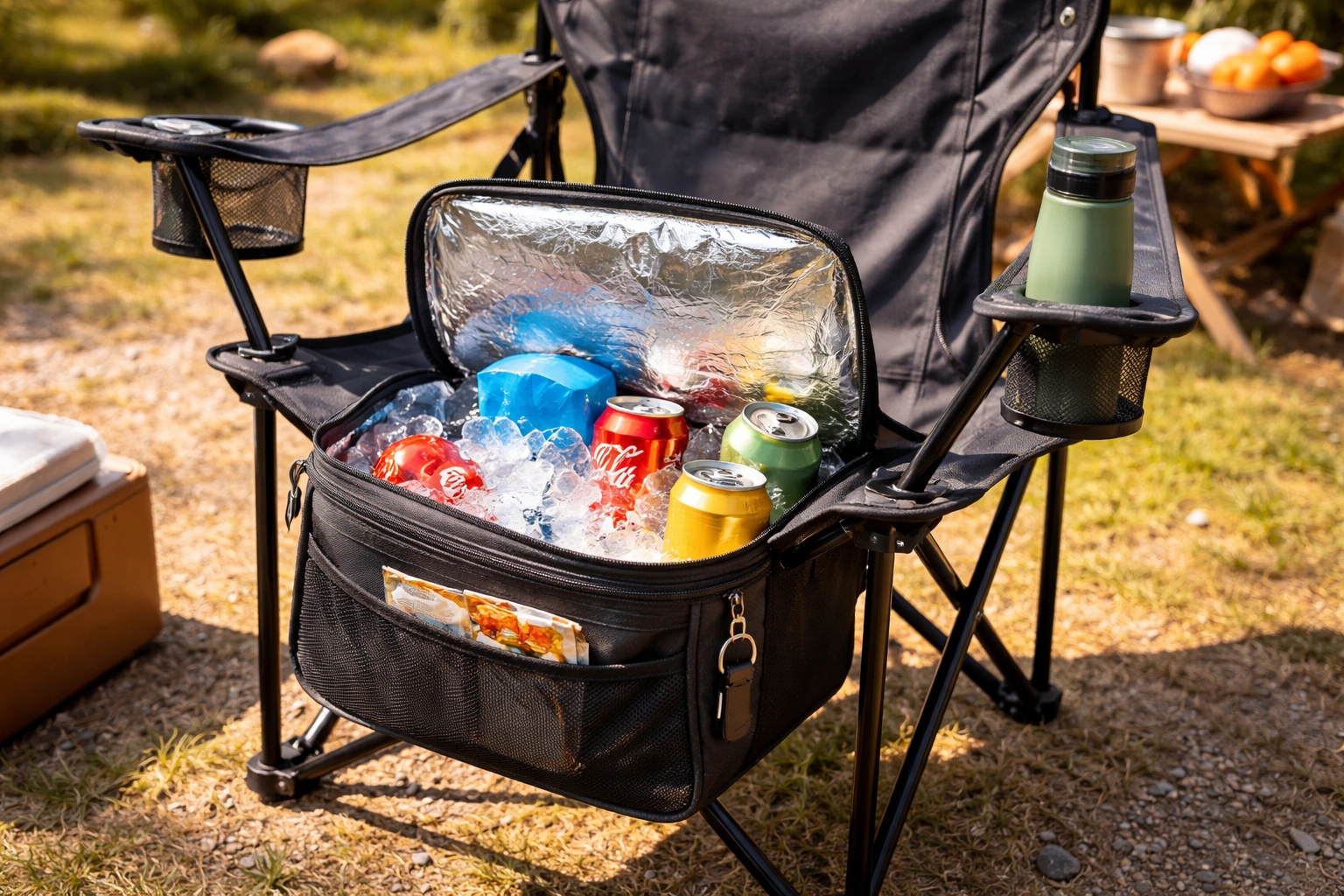
Wagon chairs often come loaded with extras: cup holders (some insulated), detachable side tables, cooler bags, and even canopy attachments. Backpack chairs usually forgo these to save weight, but aftermarket accessories like chair sleeves, ground sheets, or cup holder inserts can enhance your experience. For those who want a balance, look at chairs with integrated side tables that still fold compactly.
📌 Final Verdict: If you walk or bike to your campsite, a backpack chair is non-negotiable. If you drive and value all-day comfort, wagon-style chairs win. For those who do a mix of both, building a quiver of two chairs (one ultralight, one deluxe) ensures you’re always prepared. Ready to shop? Browse our top recommendations below.