
Camping Chair Carry Bags: The Ultimate Guide to Protection & Portability
Extend the life of your outdoor seat, simplify transport, and keep your gear organized with the right carry bag. Learn materials, sizing, features, and expert picks.
🎒 Why a dedicated carry bag? A quality camping chair carry bag protects fabric from abrasion, prevents frame damage, keeps your car trunk clean, and makes carrying effortless. Whether you own a lightweight backpacking chair or a heavy-duty model, the right bag is essential for longevity and convenience.
The difference is visible — a chair transported without protection accumulates scratches, dirt, and fabric snags, while a bagged chair arrives at your campsite looking and performing like new.
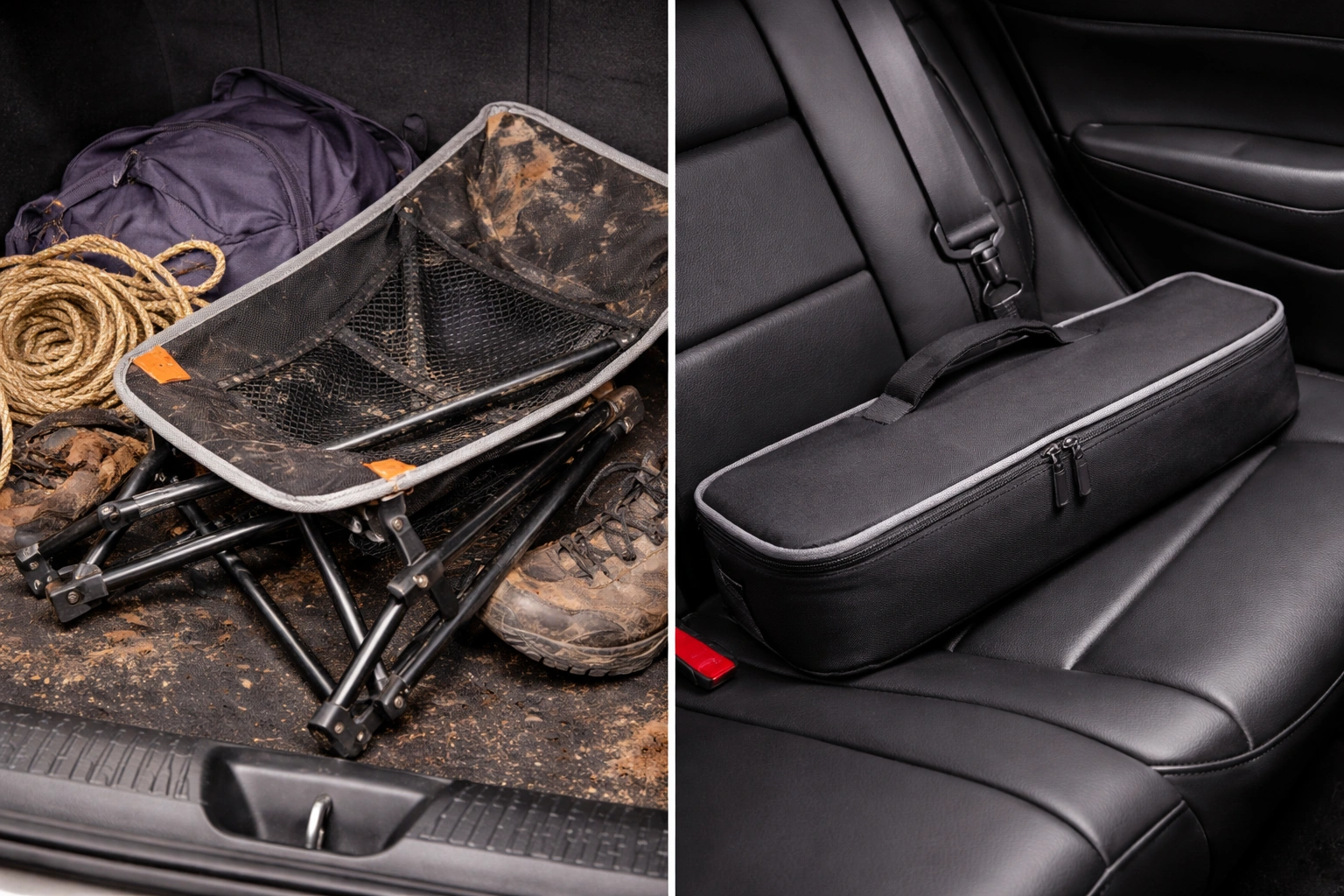
Types of Camping Chair Carry Bags
Not all carry bags serve the same purpose. The right type depends on your chair style, how you travel, and what level of protection you need.
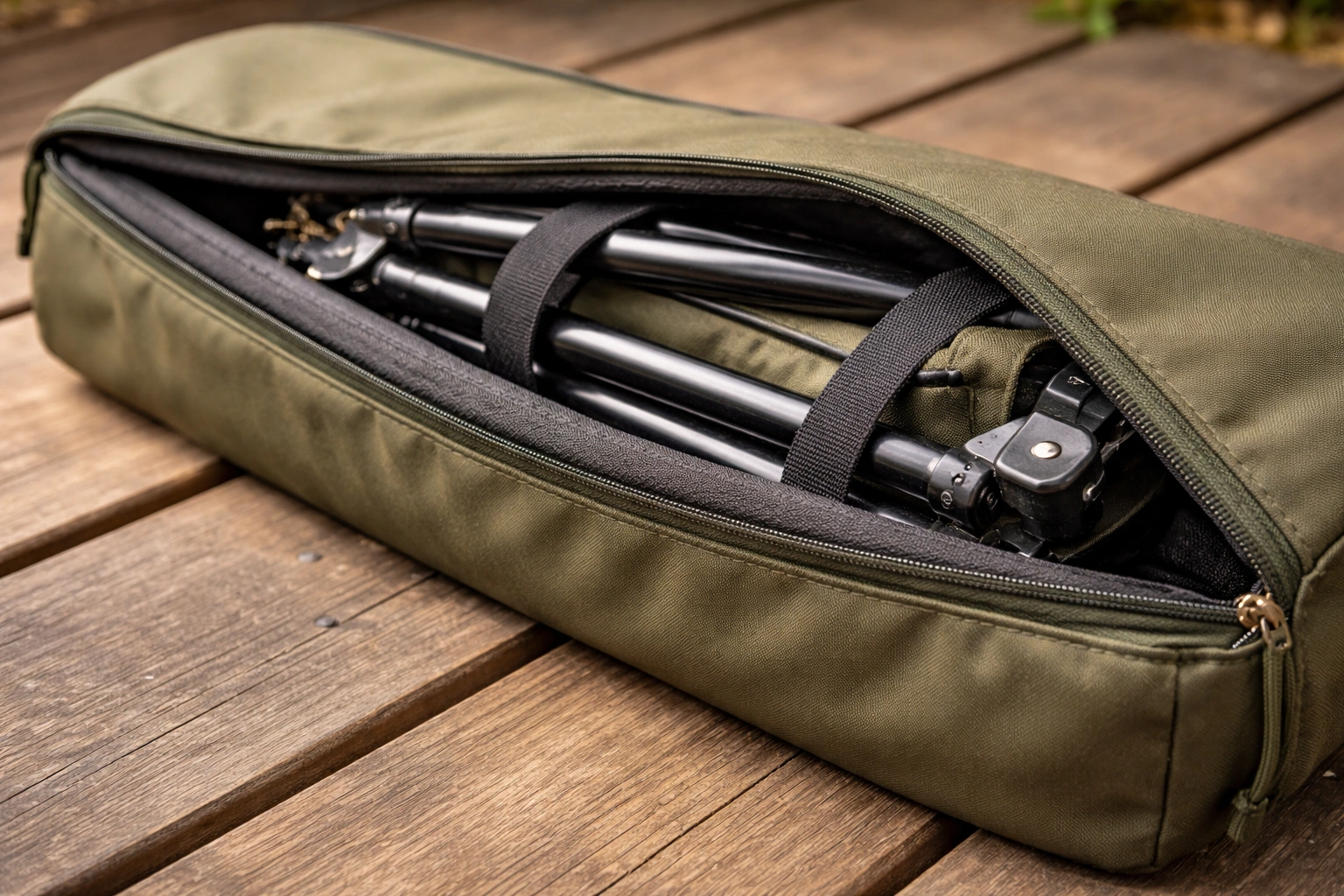
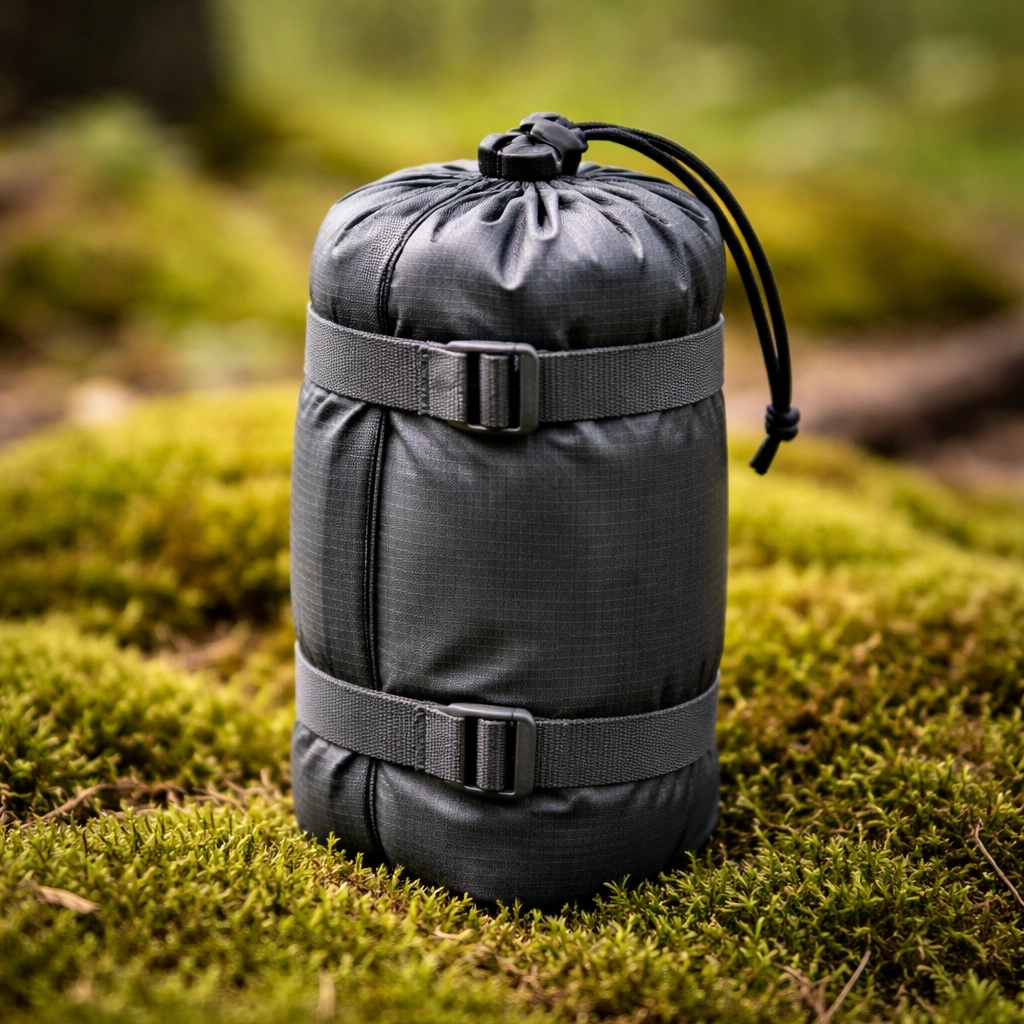
Stuff Sacks / Compression Sacks
Ultralight, minimal padding. Perfect for backpacking chairs where weight and packability matter most. Often made of ripstop nylon.
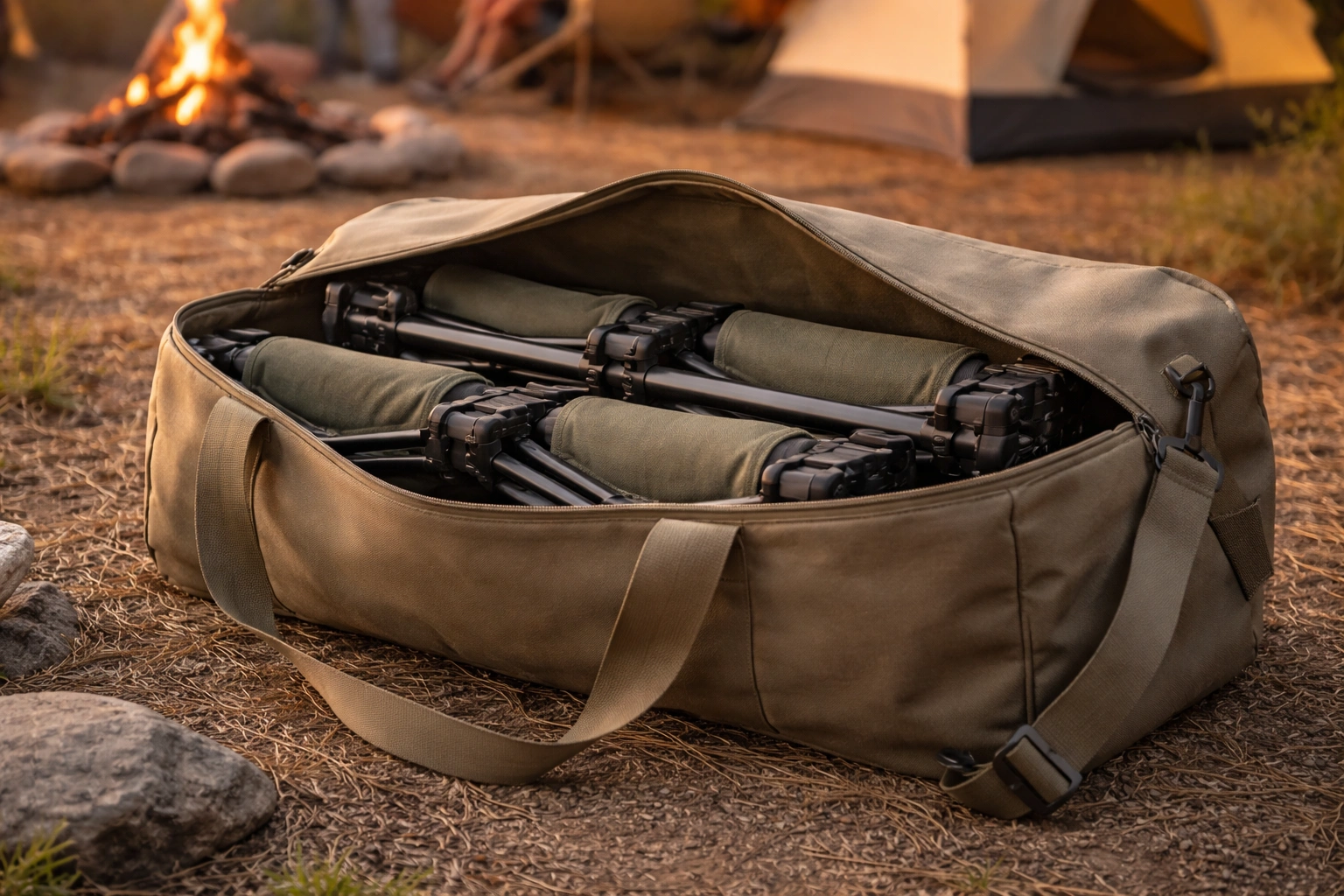
Multi-Chair Carry Bags
Large duffel-style bags that hold 2–4 chairs simultaneously. Great for families or group camping. Usually feature shoulder straps and multiple compartments.
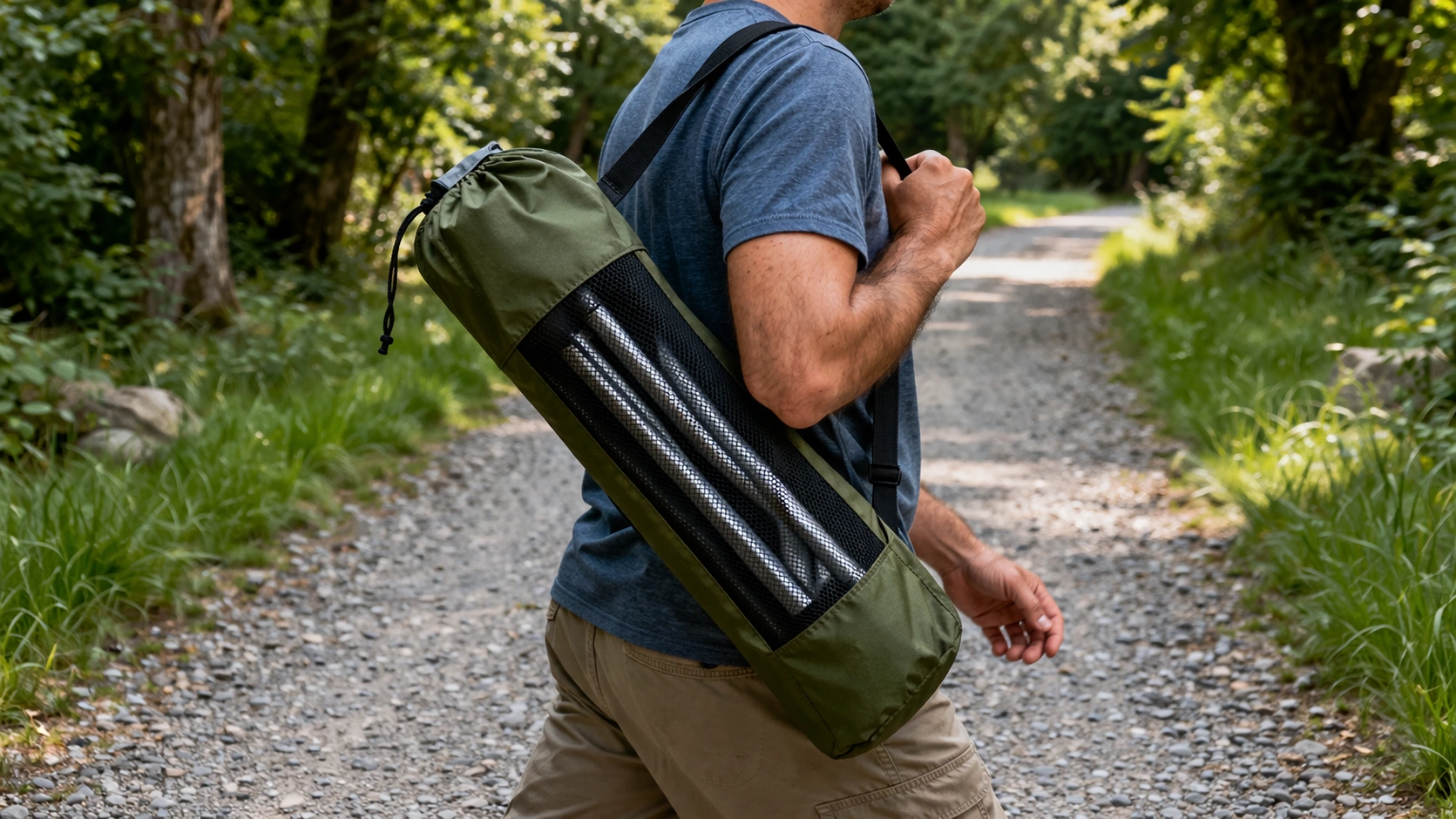
Sling-Style / Over-the-Shoulder
Integrated shoulder straps or crossbody design. Common with director chairs and larger folding chairs. Easy to carry over uneven terrain.
Materials: What Makes a Carry Bag Last?
Choosing the right fabric and construction ensures your bag withstands sun, dust, and frequent folding. Look for these qualities:
- Denier (D) rating: 300D to 600D polyester offers a balance of weight and durability. 1000D Cordura or ballistic nylon provides maximum abrasion resistance — ideal for car camping chairs that get tossed around.
- Water resistance: A PU coating or DWR finish prevents moisture from soaking into your chair fabric, avoiding mold and mildew. Check for taped seams on high-end bags.
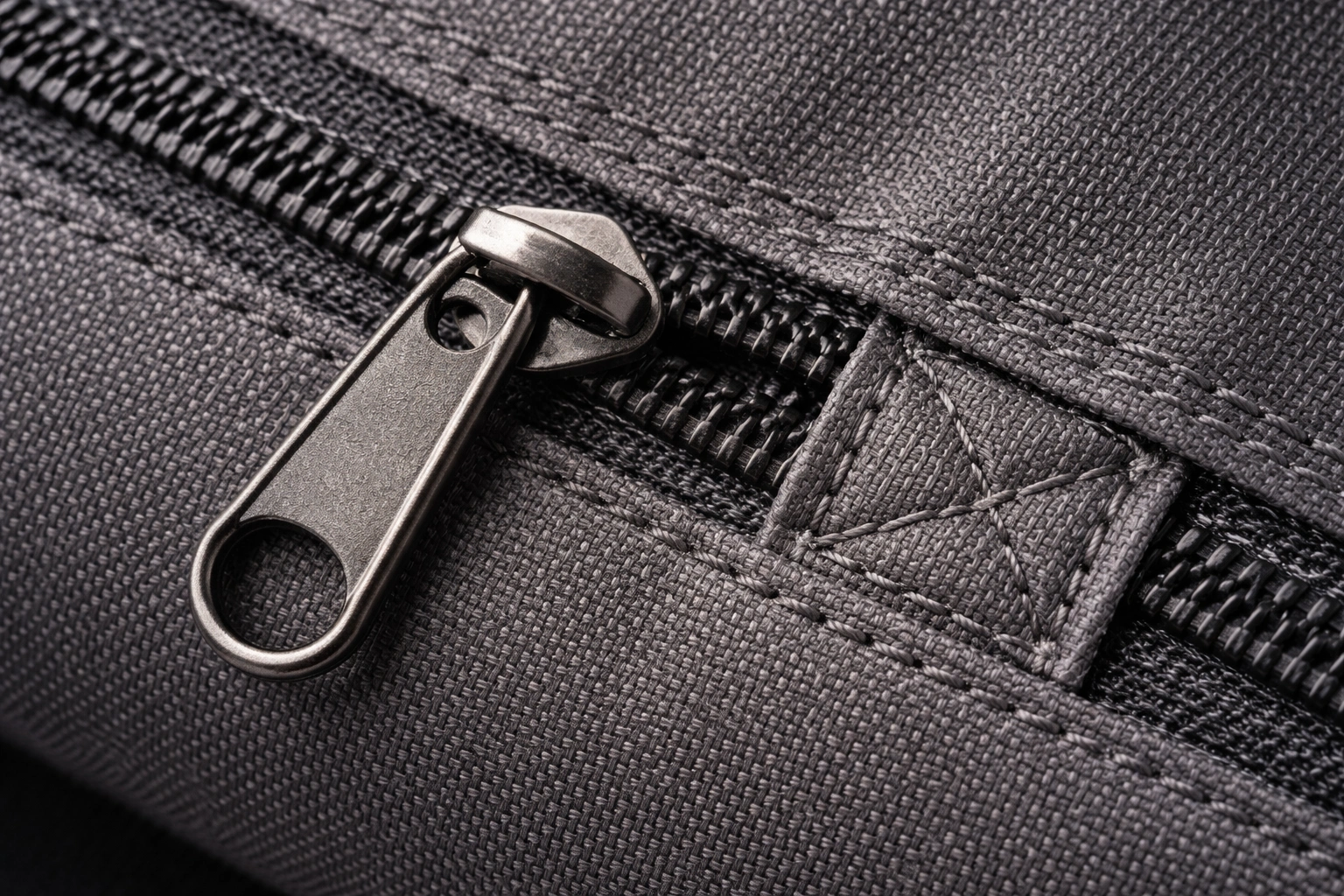
- Zipper quality: YKK zippers are the gold standard. Self-healing nylon zippers with large pulls last longer under stress.
- Reinforced stress points: Double-stitched handles, bar-tacked attachment points, and webbing loops add years of life.
How to Match a Carry Bag to Your Chair
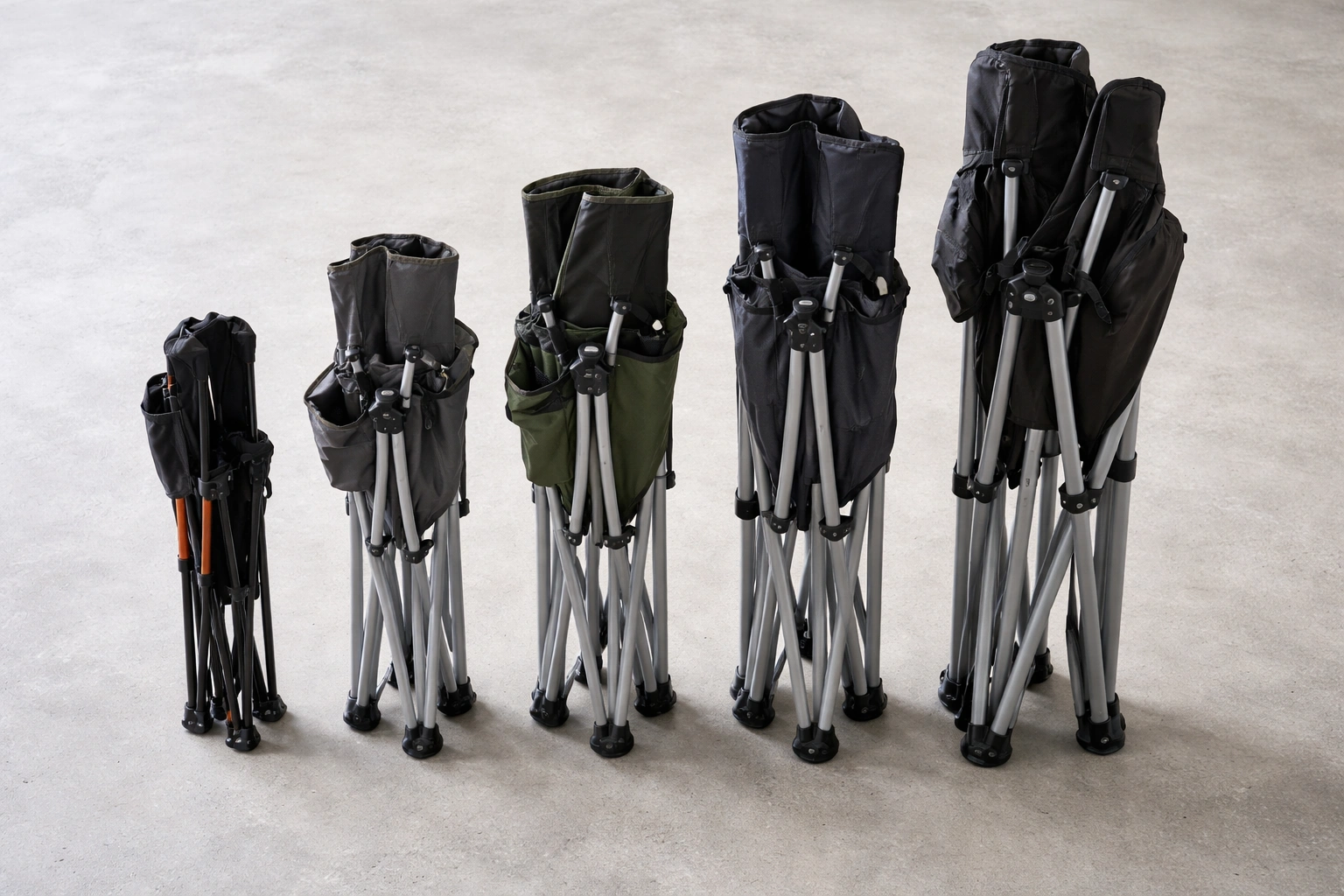
A poorly sized bag leads to frustration. Measure your chair's folded dimensions (length, width, depth) and compare with bag specifications. Here's a quick reference showing how dramatically sizes vary:
| Chair Type | Typical Folded Size | Recommended Bag Type |
|---|---|---|
| Standard Folding Chair | 24–28" L × 6–8" W × 6–8" H | Sling bag / padded sleeve |
| Ultralight Chair | 12–16" L × 4–5" W | Stuff sack (often included with brand) |
| Rocking Camp Chair | 28–32" L × 8–10" W | Extra-long padded duffel |
| Big & Tall (XXL) | 30–36" L × 10–12" W | Heavy-duty tote with shoulder strap |
| Chair with Side Table | Variable, often bulkier | Oversized or custom bag |
If your original bag gets damaged, you can purchase universal replacement bags or even DIY options using tactical gear bags. Many outdoor brands like GCI Outdoor and Coleman sell standalone carry cases for their chair series.
Why a Good Carry Bag Upgrades Your Camping Experience
Investing in a purpose-built carry bag delivers tangible benefits beyond simple storage:
- Organized gear management: Keep chairs together with accessories like cup holders or footrests. Some bags feature external mesh pockets perfect for cup holder inserts.
- Reduced wear and tear: Protects fabric from UV degradation and prevents frame scratches, maintaining resale value and functionality.
- Easier transportation: Padded shoulder straps and grab handles reduce strain, especially when walking from parking to campsite — essential for festival and tailgating chairs.
- Keeps car interior clean: No more mud, sand, or dirt transferring to your vehicle seats or trunk. A washable bag also simplifies post-trip cleanup.
How to Choose the Perfect Camping Chair Carry Bag
When you're in research mode, ask yourself these four questions to narrow down the options:
- How often do you transport chairs? Frequent car campers benefit from heavy-duty padded bags; occasional users may prioritize affordability and lightweight.
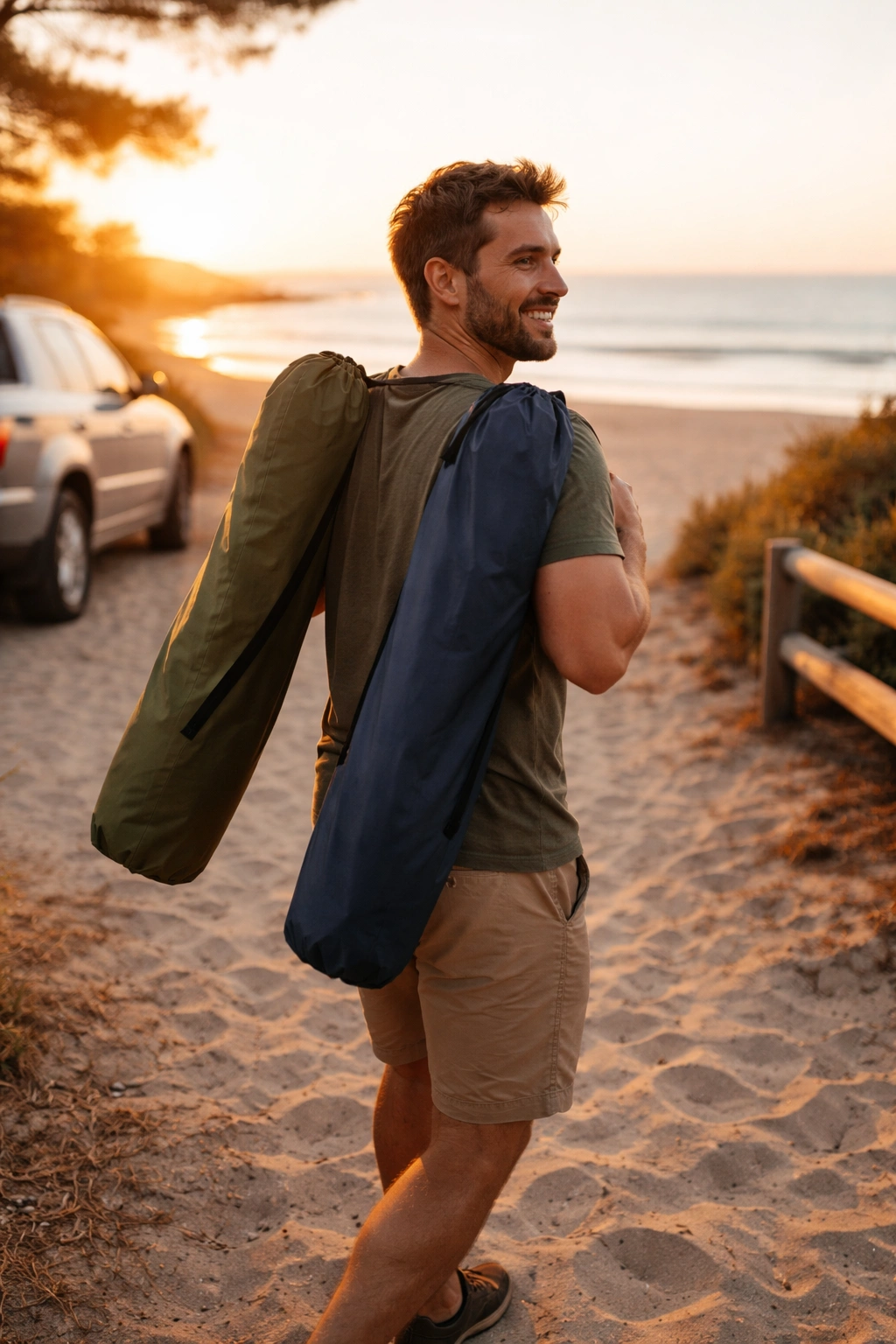
- Will you carry chairs long distances? Look for backpack-style straps or ergonomic handles for walks from parking areas to beach or remote sites — crucial for beach chairs and festival setups.
- Do you need extra storage? Bags with external compartments can hold a small tarp, stakes, or a camping stool.
- Climate conditions: Humid or coastal environments require water-resistant materials and corrosion-proof zippers.
Many high-end chair manufacturers include excellent carry systems. For example, Kijaro chairs often feature integrated carry straps that double as shoulder slings. Yet aftermarket bags can add protection and style — especially if you want to color-code chairs for family members.
Alternative & DIY Carry Solutions
If you prefer a custom approach, these alternatives work well:
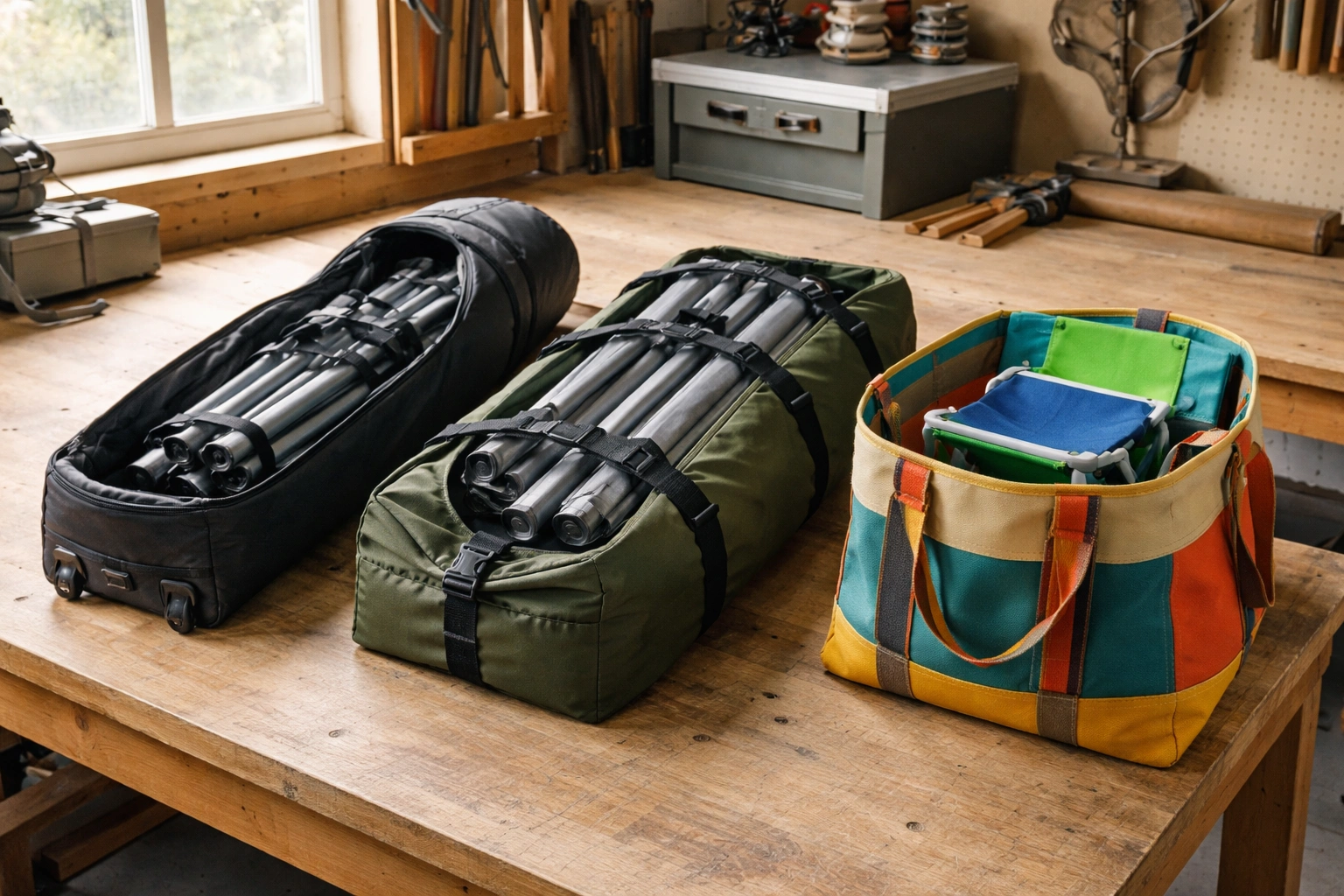
- Golf travel bags: Some campers repurpose padded golf travel cases to hold multiple folding chairs. Extra length accommodates reclining chairs.
- Duffel bags with tie-down straps: Heavy-duty duffels with compression straps can secure chairs and double as general gear luggage.
- Reinforced tote bags: For kids chairs, use colorful canvas totes with reinforced bottoms — easy for children to carry themselves.
Remember to check weight capacity of any DIY bag to avoid seam tears. For premium chairs like Yeti TrailHead, sticking with manufacturer bags ensures a perfect fit and warranty protection.
Proper Storage Extends Chair Life
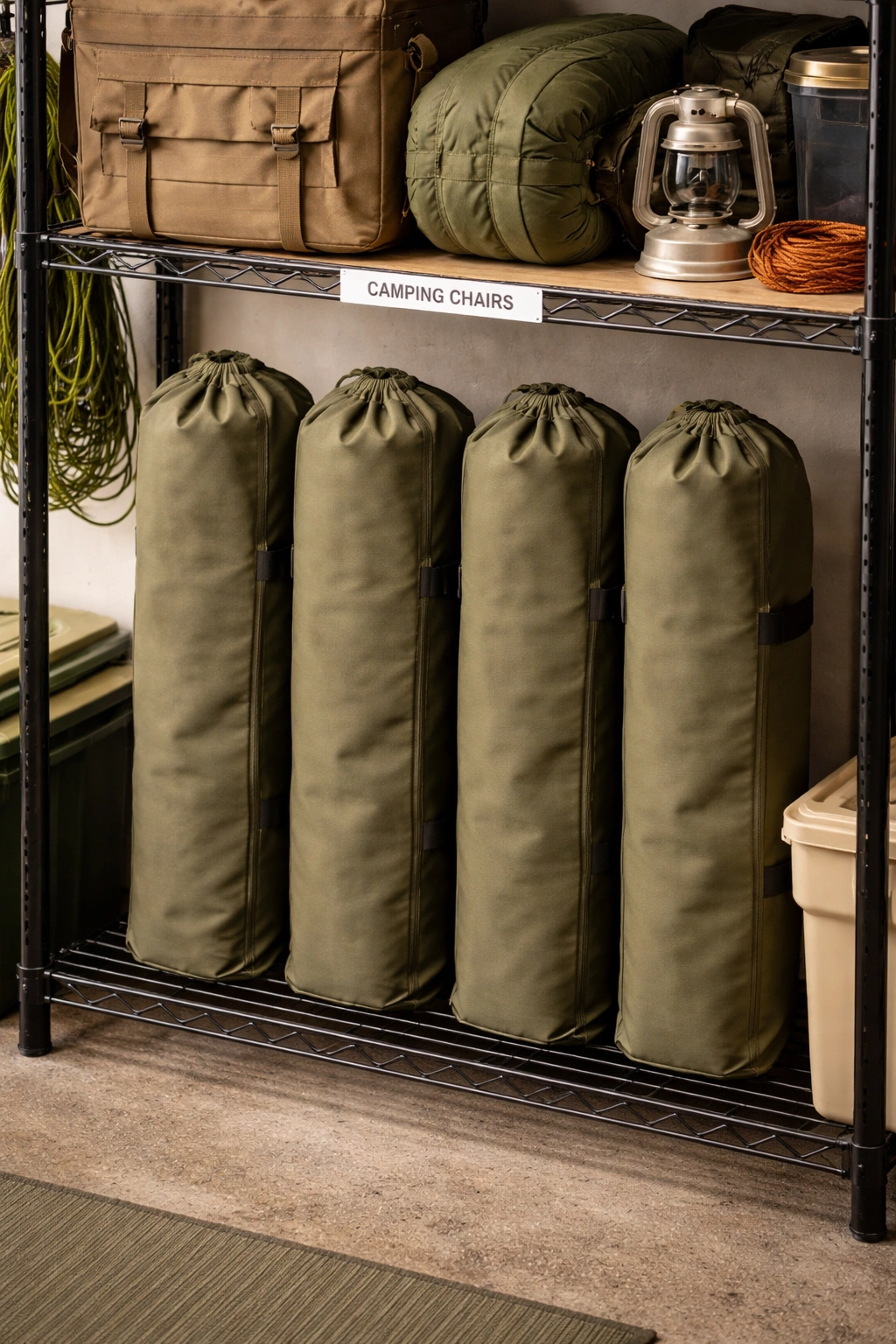
Between camping trips, store your chair inside its carry bag in a cool, dry place. Avoid compressing chairs under heavy gear for long periods — this can deform frame tubing. For winter storage, loosen any straps and keep bags off concrete floors to prevent moisture wicking. Using a breathable cotton storage sack can prevent mildew better than sealed plastic.
If you notice rust spots or stiff joints, check our repair section on fixing wobbly legs and lubricating hinges before storing away. A little maintenance ensures your chair remains ready for next season.
Frequently Asked Questions About Carry Bags
Yes, if dimensions match and the bag has adequate padding or reinforced bottom. For ultralight chairs, a stuff sack works perfectly. Just ensure the bag isn't too loose — excess room lets the chair shift and potentially damage the bag interior or the chair itself.
Most mid-range and premium chairs include a bag, but some budget models may not. Check product specs before buying. You can always purchase an aftermarket replacement carry bag separately — universal options in multiple sizes are widely available.
Use mild soap, warm water, and a soft brush. For mildew, a 1:1 vinegar solution works well. Let it air dry completely before storing — never put a damp bag away. Learn more about removing mold from camping gear in our dedicated guide.
Yes, many zero-gravity chairs come with extra-long bags designed for their unique folded shape. If yours didn't include one, search for "zero-gravity chair carry bag" or use a large padded golf travel cover as an effective alternative.
For more insight on protecting your outdoor investment, explore our detailed guides: camping chair materials explained, how to choose the right camping chair, and the complete camping gear packing checklist. If you're shopping for a new chair, don't forget to factor in whether the included carry bag meets your portability needs.


