
Steel vs Aluminum Frame Camping Chairs: The Ultimate Material Showdown
Choosing between steel and aluminum isn't just about weight — it's about durability, portability, rust resistance, and how you camp. This comprehensive guide breaks down every detail so you can make a confident decision before you buy.
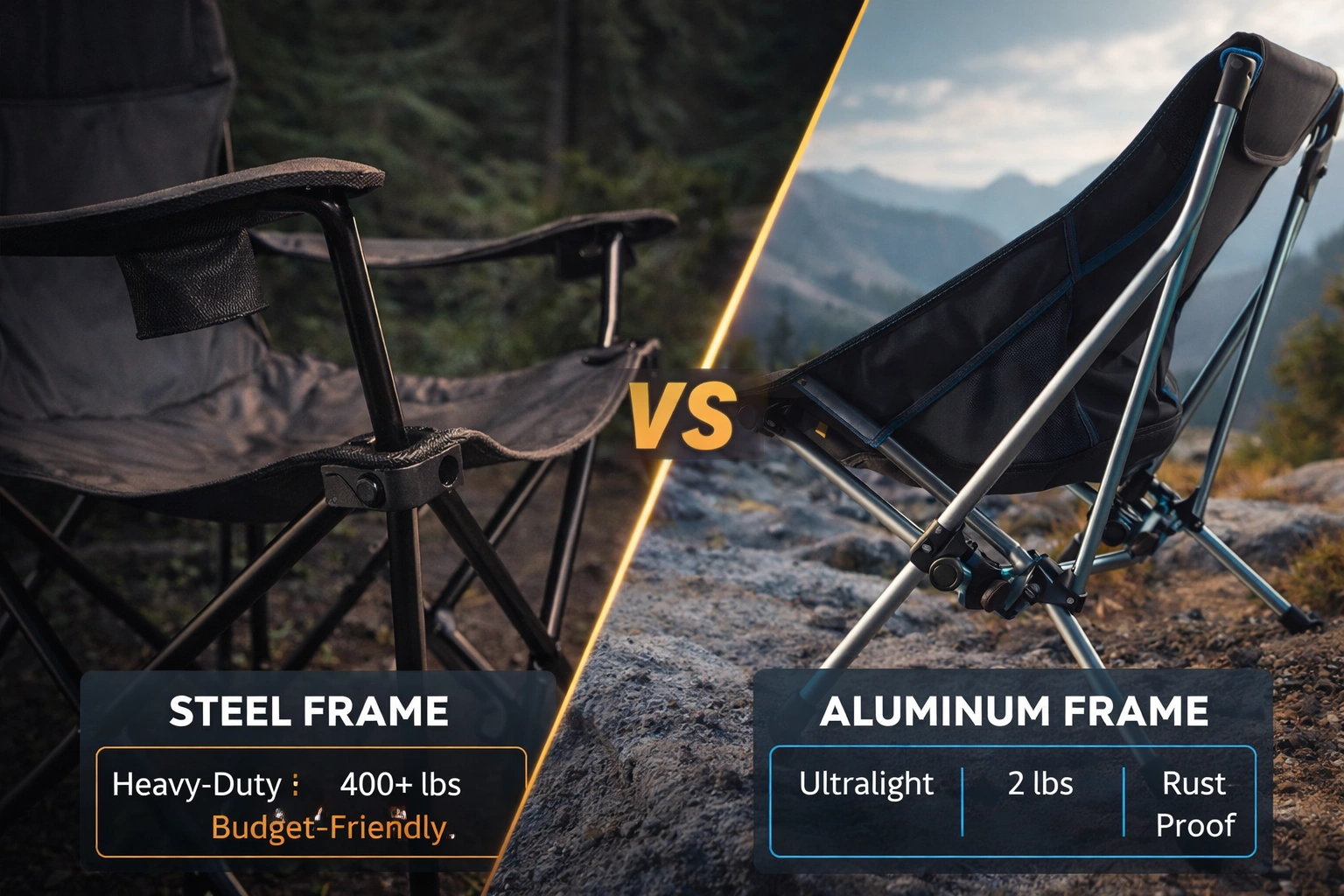
When shopping for the perfect outdoor seat, the frame material is one of the most critical factors that influences longevity, comfort, and ease of transport. Whether you're a backpacker seeking ultralight backpacking chairs or a car camper looking for a durable heavy-duty camping chair that supports higher weight capacities, understanding the differences between steel and aluminum frames will save you time, money, and frustration. In this guide, we'll explore everything from structural integrity to rust prevention, helping you align your choice with your specific outdoor lifestyle.
Steel vs Aluminum: Side-by-Side Comparison
| Feature | Steel Frame | Aluminum Frame |
|---|---|---|
| Weight | Heavier (typically 7–12+ lbs) | Lightweight (often 2–6 lbs, ultralight under 2 lbs) |
| Durability | Extremely high tensile strength; resists bending under heavy loads | Good strength-to-weight ratio; can dent if overloaded beyond rating |
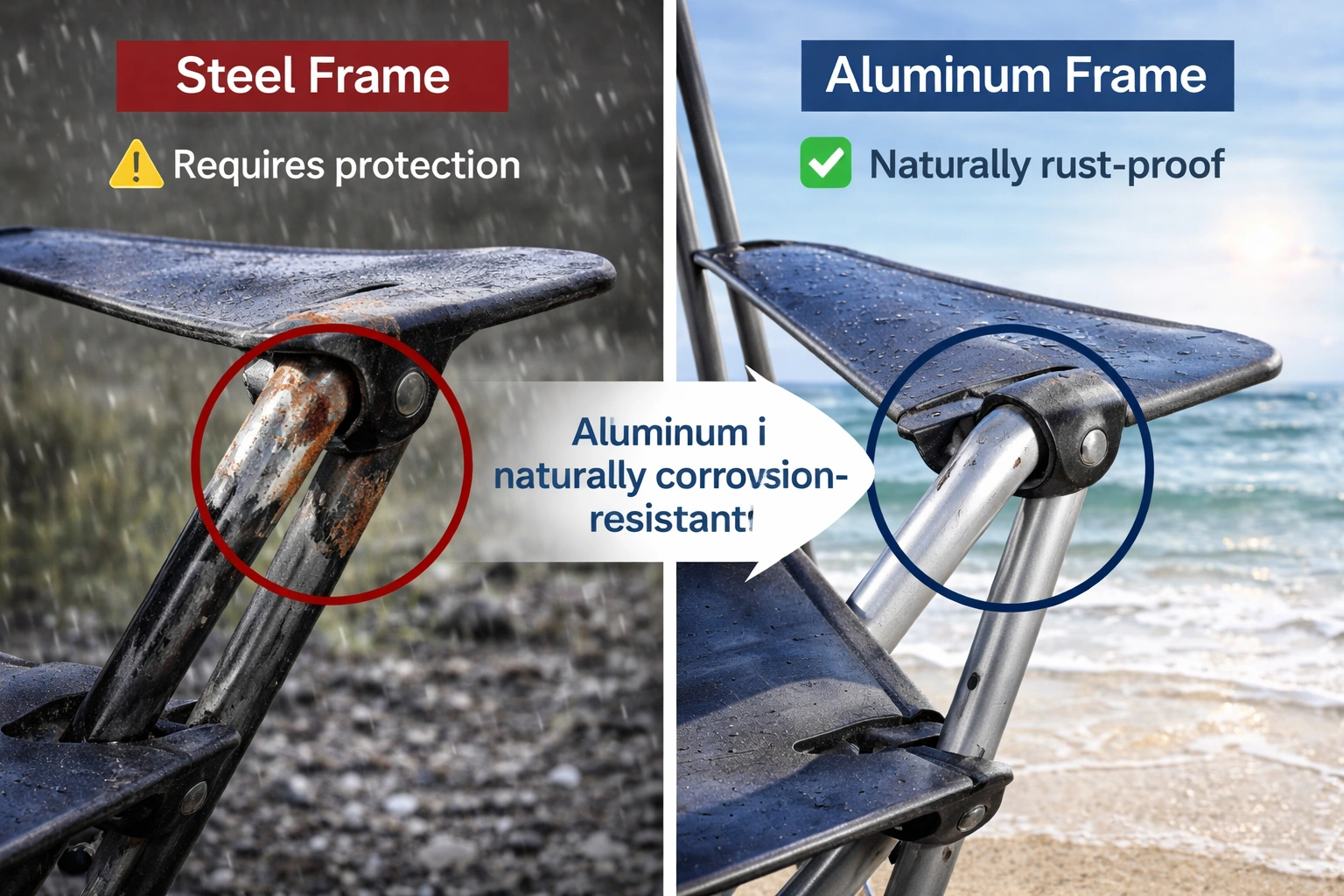
| Rust Resistance | Prone to rust if coating is scratched; requires care | Naturally corrosion-resistant (oxidation layer) |
| Price Point | Generally more affordable ($25–$70) | Mid-range to premium ($50–$200+) |
| Packed Size | Bulkier, longer folded length | Compact; ideal for backpacking and travel |
| Best For | Car camping, tailgating, heavy-duty use, budget-conscious | Backpacking, hiking, festivals, frequent travelers |
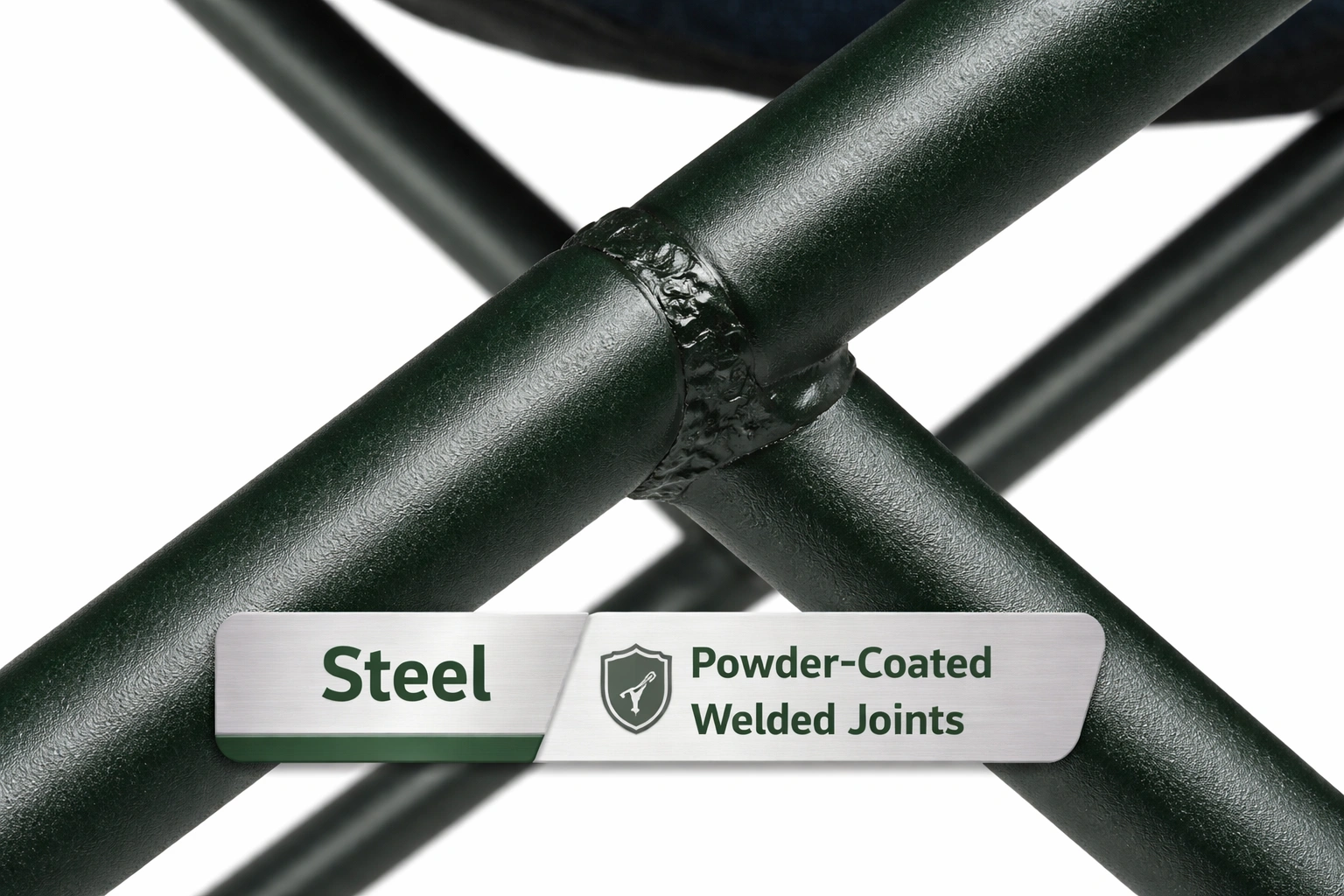
🔩 Steel Frame Close-up
Powder-coated steel tubing, welded joints, maximum durability
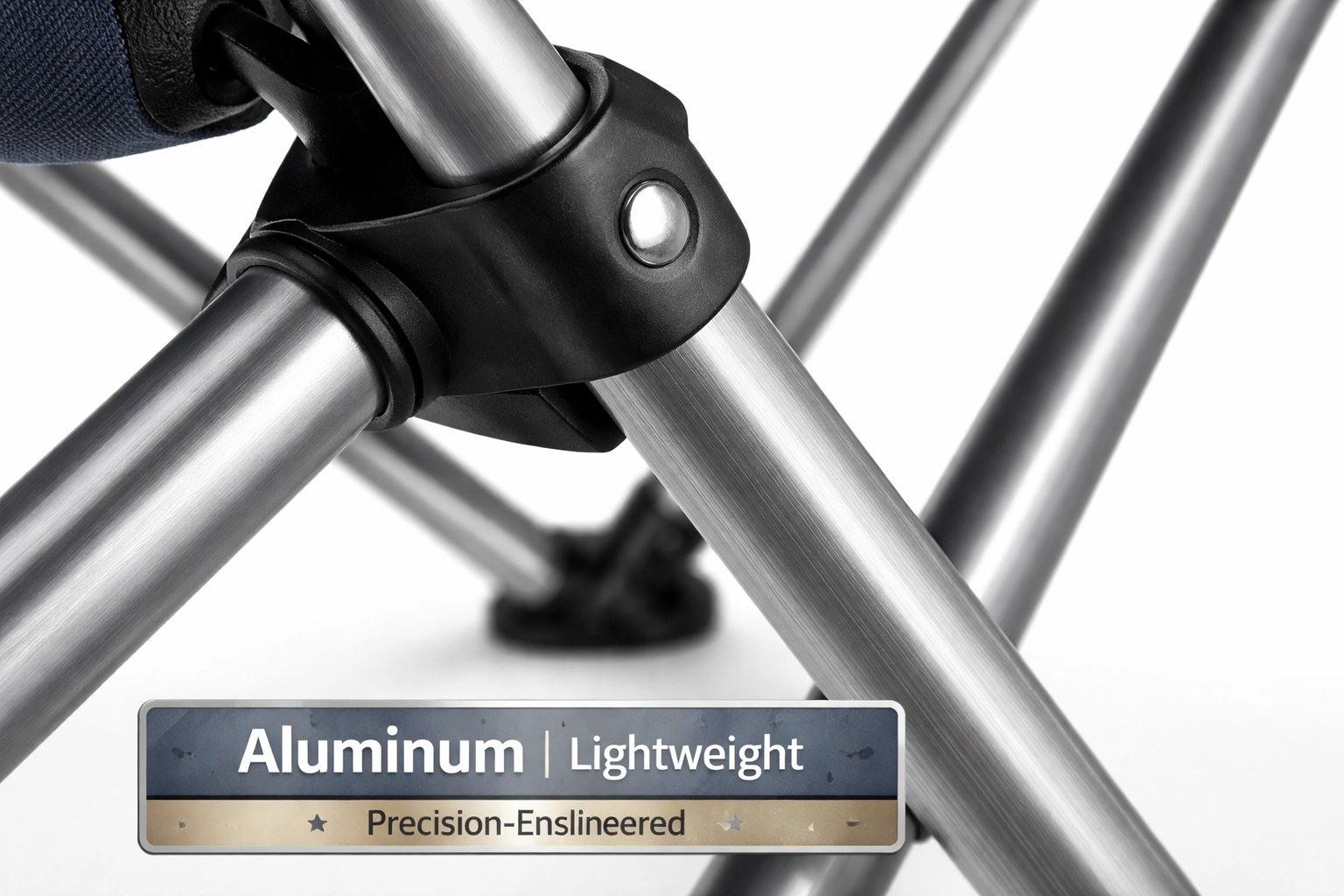
✨ Aluminum Frame Close-up
Lightweight aluminum tubing, precision engineering, compact folding
Steel Frame Camping Chairs: Uncompromising Strength
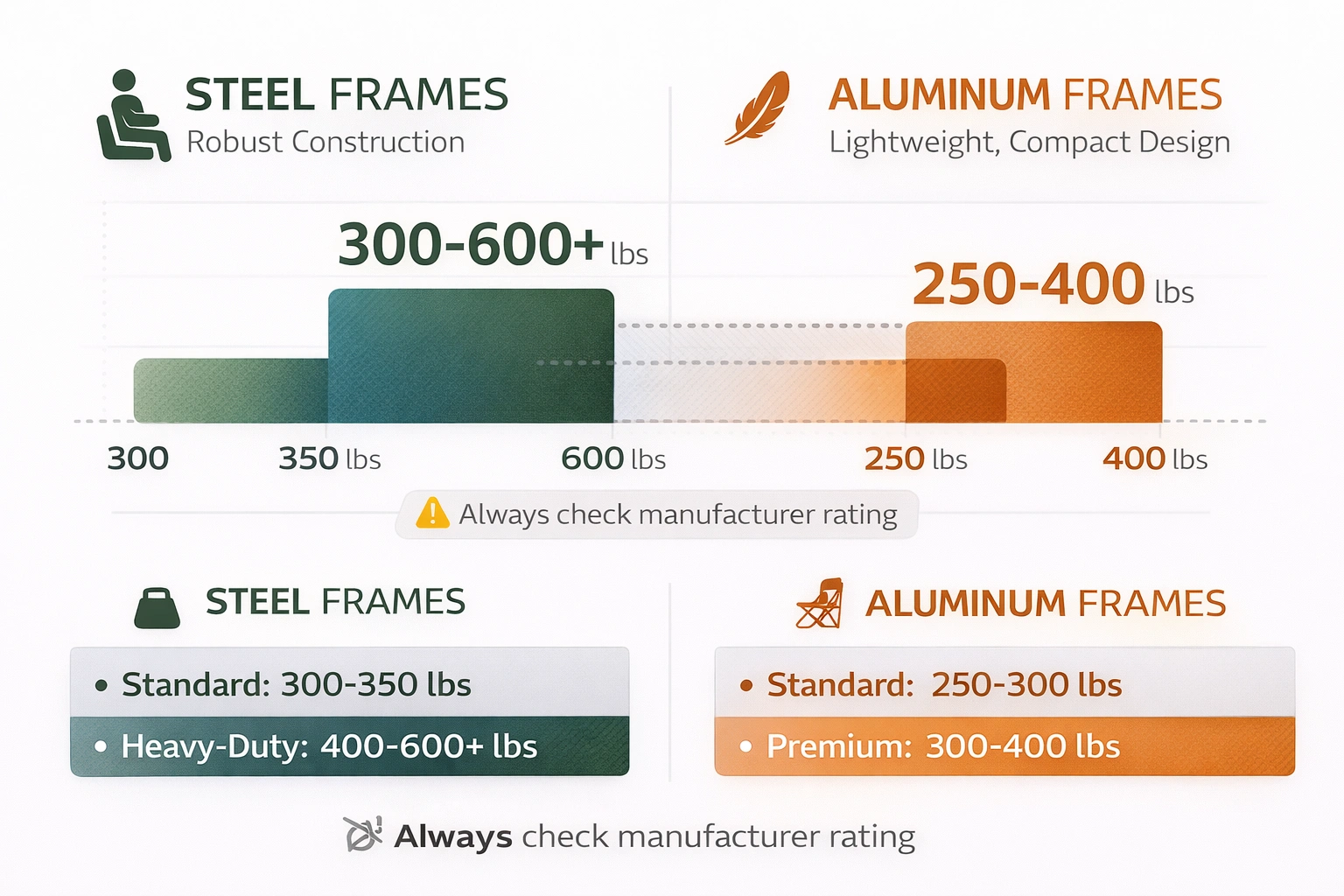
Steel has been the traditional workhorse for camping chairs for decades. If you prioritize rock-solid stability and long-term reliability, steel frames offer exceptional strength at a budget-friendly price. Many standard camping chairs and XXL big & tall chairs use reinforced steel tubing to accommodate higher weight limits (often 300–600 lbs). However, the main trade-off is portability: steel chairs are noticeably heavier and take up more trunk space.
Advantages of Steel
- Superior load-bearing capacity — ideal for heavier users
- Resists bending or flexing even on uneven ground
- Lower cost for equivalent durability
- Often comes with thicker padding and larger seat dimensions
Considerations for Steel
- Vulnerable to rust — avoid leaving outdoors in rain
- Heavier to carry; not ideal for hiking long distances
- Bulkier packed size; may not fit in small car trunks
- Powder coating can scratch over time

Aluminum Frame Camping Chairs: Lightweight & Travel-Ready
Aluminum revolutionized portable seating, especially for adventurers who count every ounce. Premium outdoor brands like Helinox and REI have mastered aluminum chair engineering, creating models that pack down smaller than a water bottle yet support up to 300+ lbs. If you're into best backpacking chairs (ultralight) or need a chair for beach vacations where sand and moisture are constant, aluminum's corrosion resistance is a game-changer.
Advantages of Aluminum
- Lightweight — some models under 2 lbs for backpacking
- Naturally rust-proof; ideal for humid or coastal environments
- Compact folding design with small packed dimensions
- Modern aesthetics with sleek finishes
Considerations for Aluminum
- Generally more expensive than steel equivalents
- Thinner tubing may flex under heavy loads
- Denting possible if overloaded beyond weight rating
- High-end models require careful handling
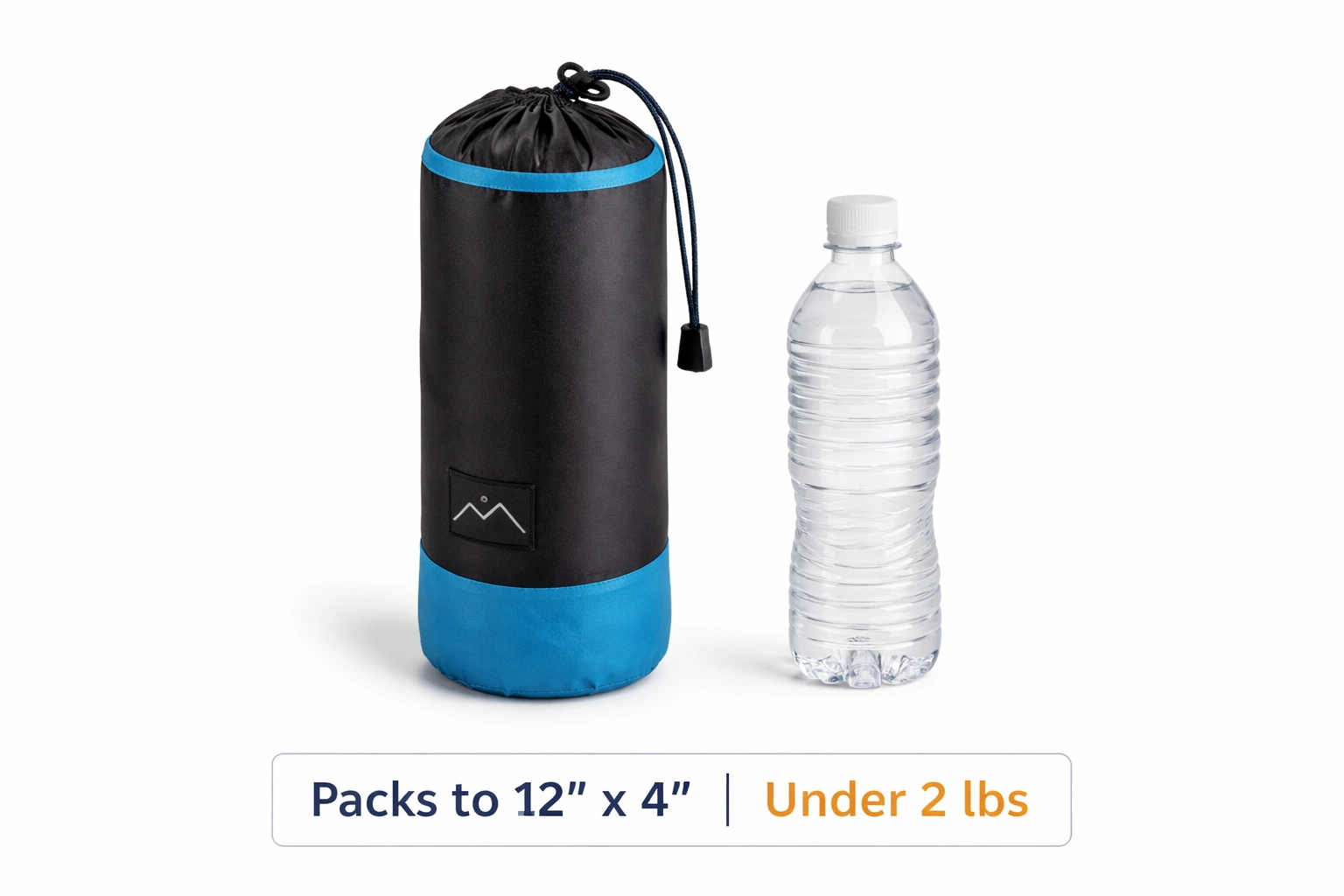
📦 Ultra-Compact
Packs down to water bottle size — fits in backpack side pocket

🏃 Easy to Carry
Weighs under 2 lbs — effortless transport to any campsite
Rust Resistance & Long-Term Care: What You Need to Know
One of the biggest concerns for any outdoor gear is longevity. Steel frames require proactive maintenance — even a small scratch can lead to corrosion if exposed to moisture. To extend the life of your steel chair, regularly inspect the coating, store it indoors, and apply touch-up paint when necessary. For detailed repair tips, check our guide on camping chair frame rust care.
Aluminum, on the other hand, forms a protective oxide layer when exposed to air, making it virtually rustproof. This makes aluminum chairs perfect for riverside camping, beach trips, and humid environments. If you often camp near saltwater or leave gear in the car during rainy seasons, aluminum offers peace of mind without extra maintenance routines.
Price vs Durability: Finding Your Sweet Spot
When comparing price vs durability in camping chairs, steel often wins the budget category. You can get a reliable steel-framed chair from trusted brands like Coleman or Ozark Trail for under $40, making them great for family campsites where multiple chairs are needed. Aluminum chairs require a higher initial investment but reward you with years of lightweight portability and rust-free performance — especially valuable for those who travel frequently or hike to remote spots.
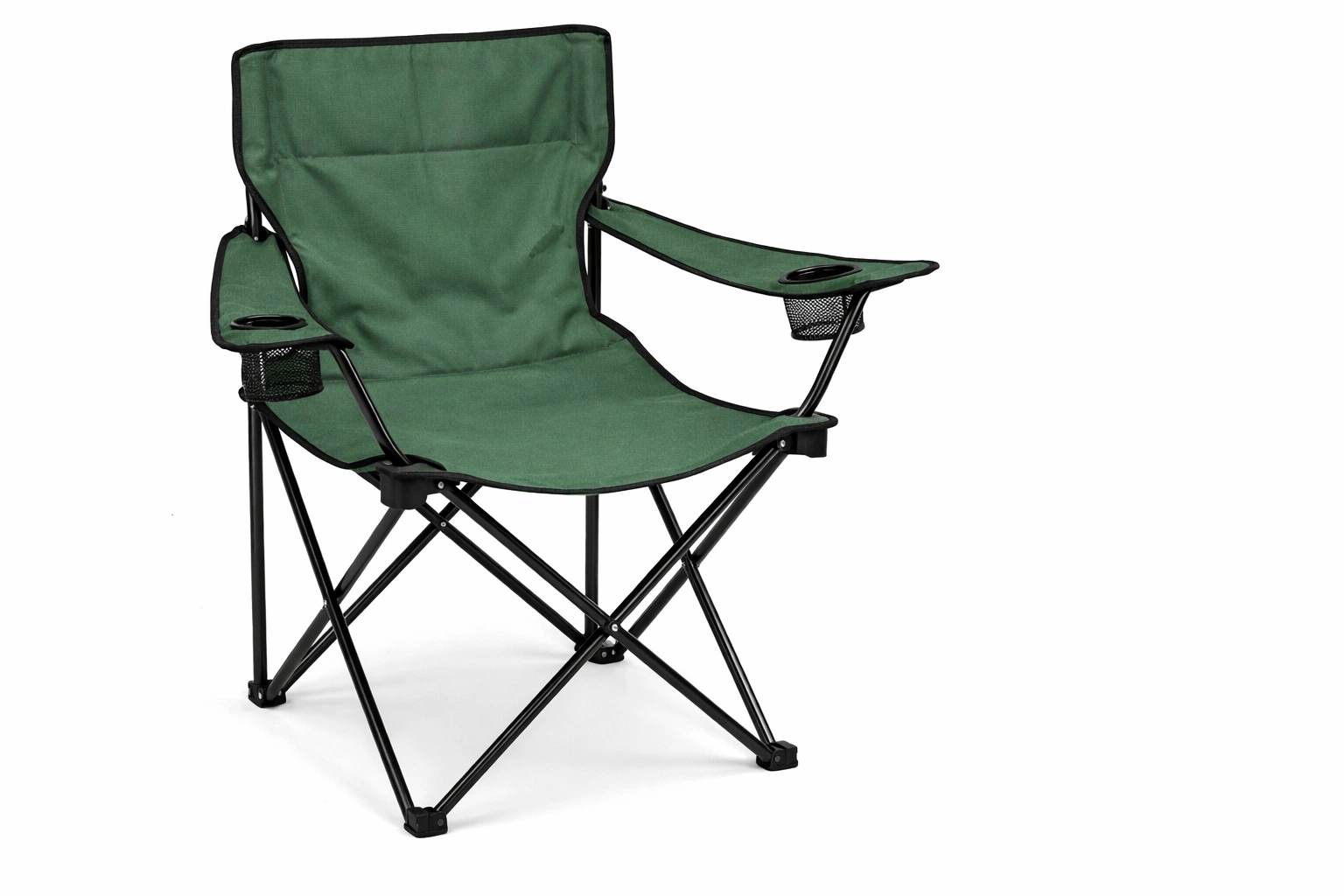
💰 Steel: Budget-Friendly
Quality steel chairs available from $25-$70 — great value for families
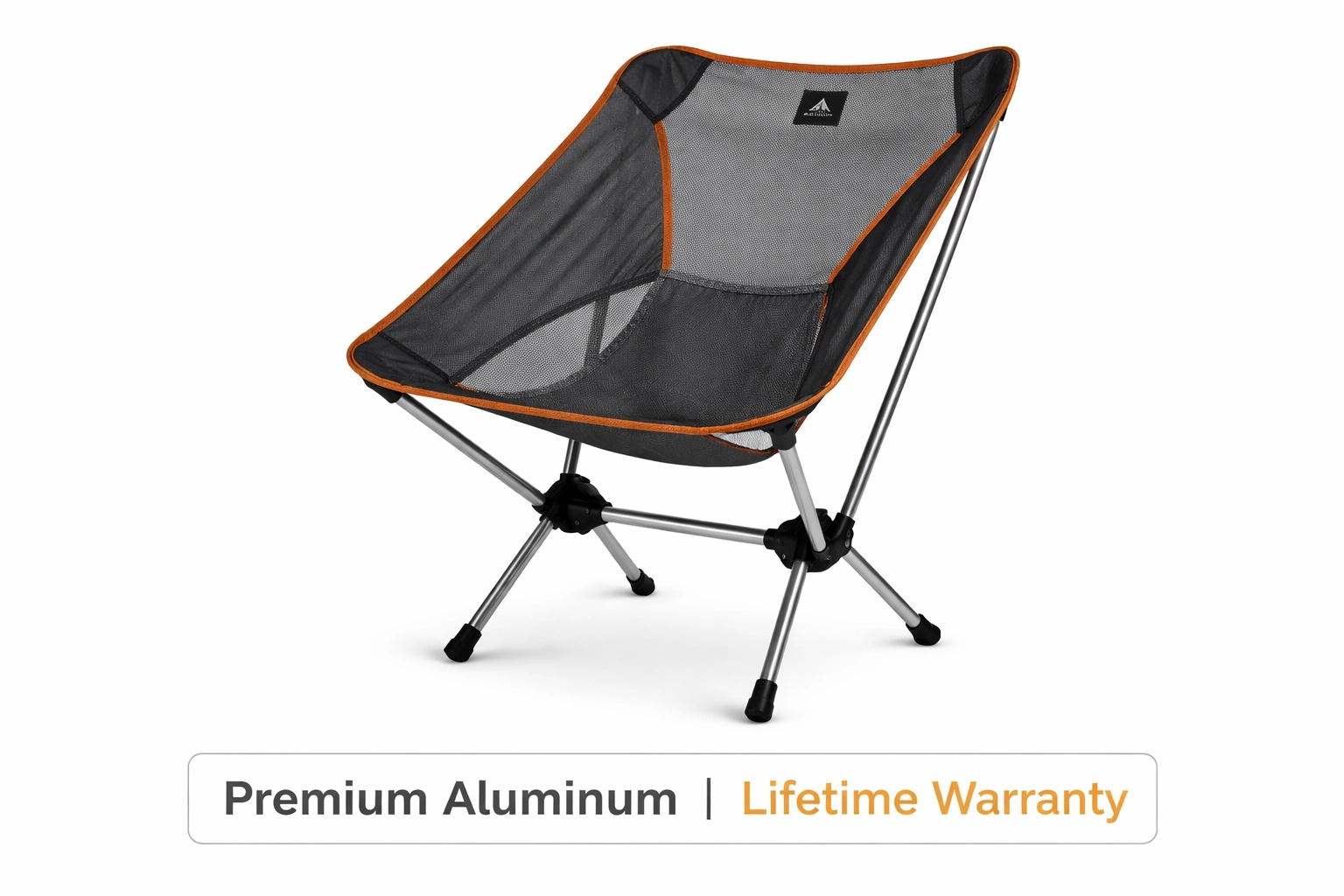
✨ Aluminum: Premium Investment
$50-$200+ for lightweight performance and rust-proof durability
Weight Capacity & Frame Engineering
Don't assume that heavier frame always means higher capacity. Many aluminum chairs now incorporate advanced alloys and stress-point reinforcement to support up to 320 lbs while weighing under 3 lbs. However, if you need a chair rated for 400 lbs or more, steel remains the dominant choice due to its inherent rigidity. Before buying, always verify the manufacturer's rating. To understand how weight ratings are determined, read our detailed guide: weight capacity explained.
🏕️ Which Frame Material Should You Choose?
Choose Steel If: You primarily car camp, tailgate, or need a budget-friendly chair with high weight capacity. Steel is also ideal for tent camping when you don't have to carry the chair far.
Choose Aluminum If: You're a backpacker, kayaker, or frequent festival-goer who values lightweight portability and rust resistance. Also perfect for picnics and concerts/festivals where you walk long distances.
Still unsure? Check our comprehensive how to choose a camping chair guide for a step-by-step decision framework.
Beyond the Frame: Fabric & Comfort Factors
While the frame determines durability, the fabric impacts long-term comfort. Steel chairs often pair with durable polyester or canvas, whereas aluminum models frequently use breathable mesh or high-denier nylon. For a deeper dive into material choices, explore polyester vs canvas camping chairs and PU vs nylon to ensure your chair matches both frame performance and seating comfort.
Ultimately, the steel vs aluminum decision comes down to your camping style, storage space, and how much you're willing to carry. Armed with this knowledge, you're now ready to make a purchase that will serve you for years to come.
✅ Ready to upgrade your camp comfort? Explore our top-rated recommendations below — each chair is carefully selected based on frame quality and real-world user reviews.


