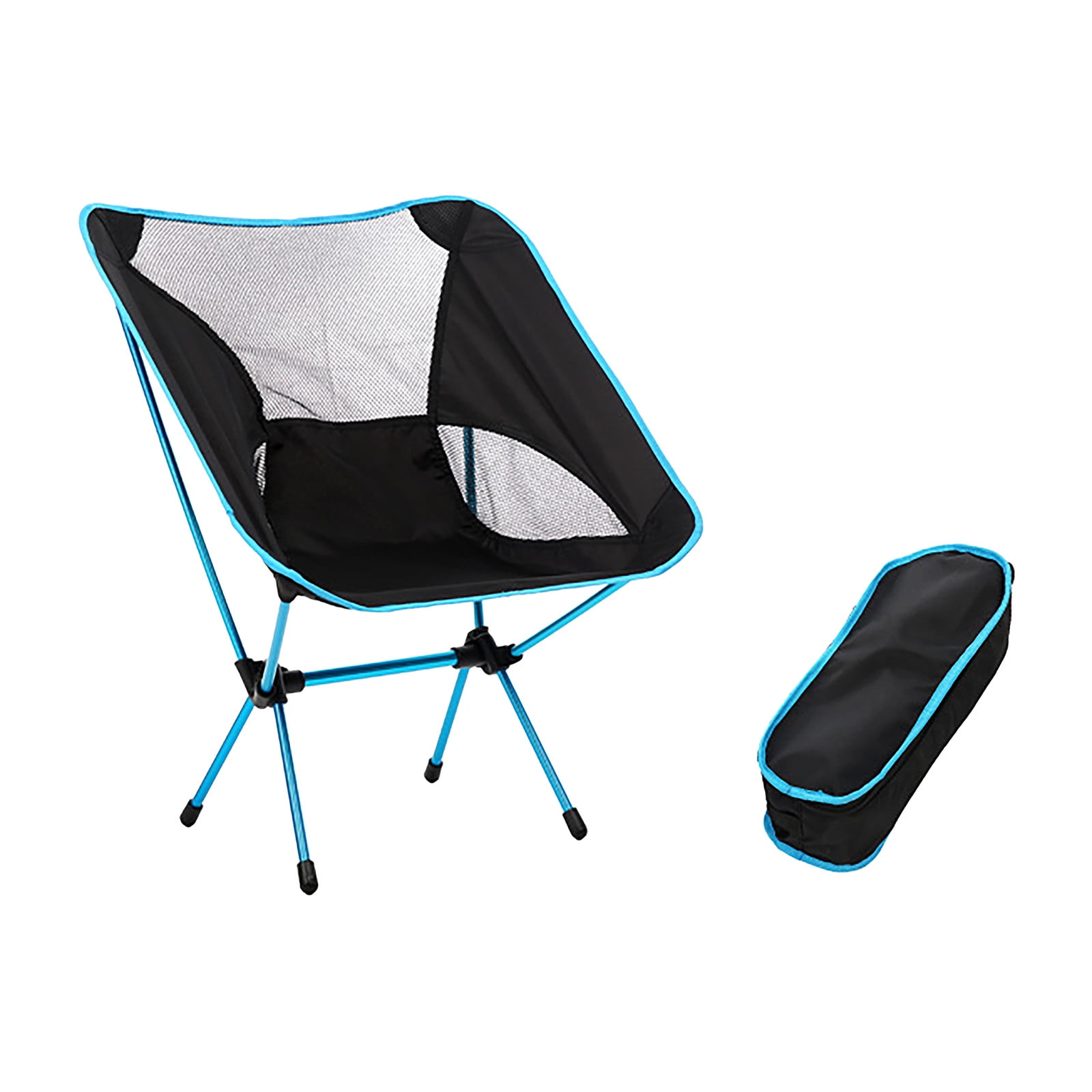
Ultimate Guide to Lightweight Backpacking Chairs
Carry less, sit in comfort. Expert insights on ultralight chairs, packed size, materials, and weight ratings — everything you need before your next backcountry adventure.
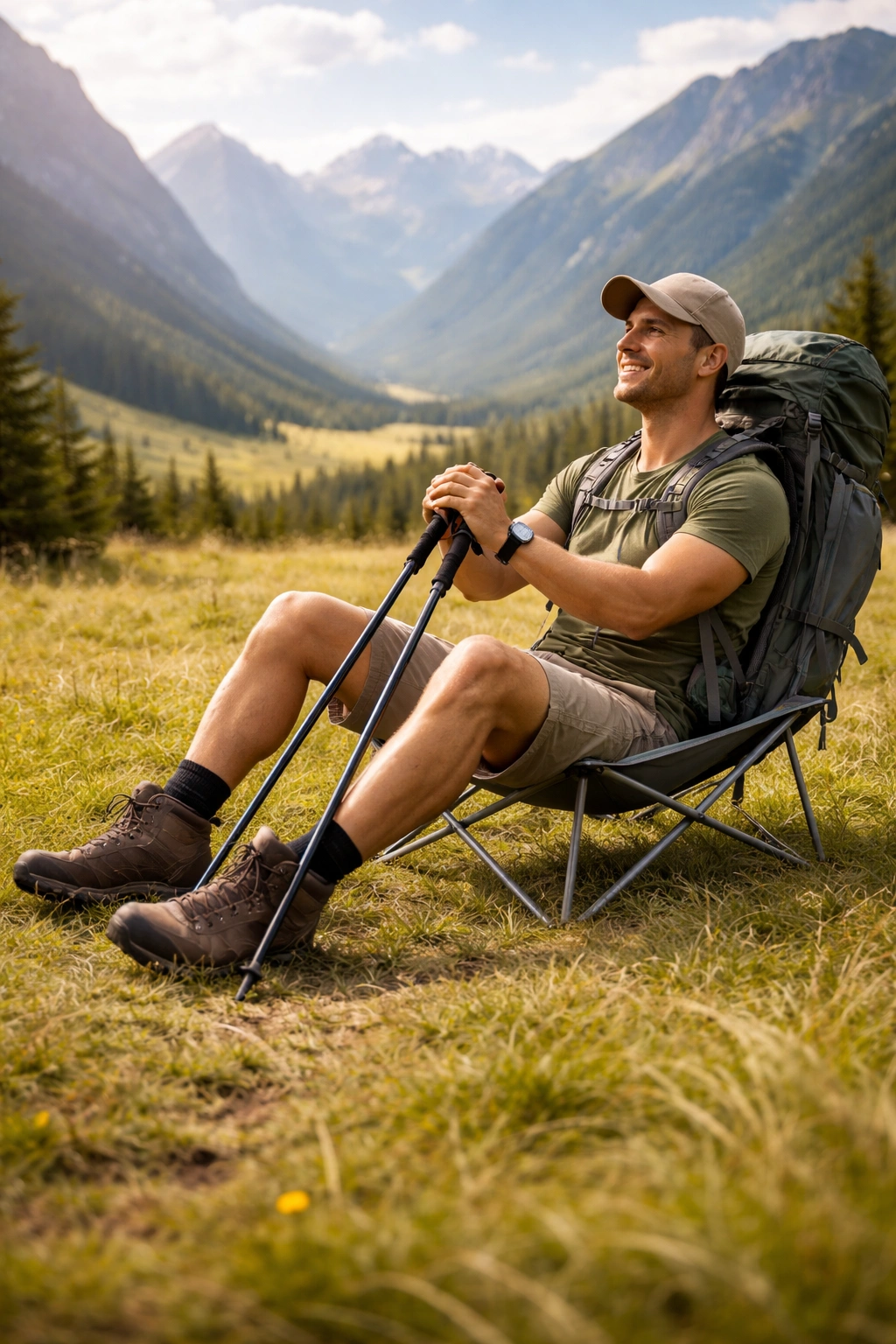
🏕️ Why lightweight matters: For backpackers and thru-hikers, every ounce counts. A quality lightweight chair transforms camp comfort without weighing down your pack. Our guide helps you balance portability, durability, and comfort.
What Defines a Lightweight Backpacking Chair?
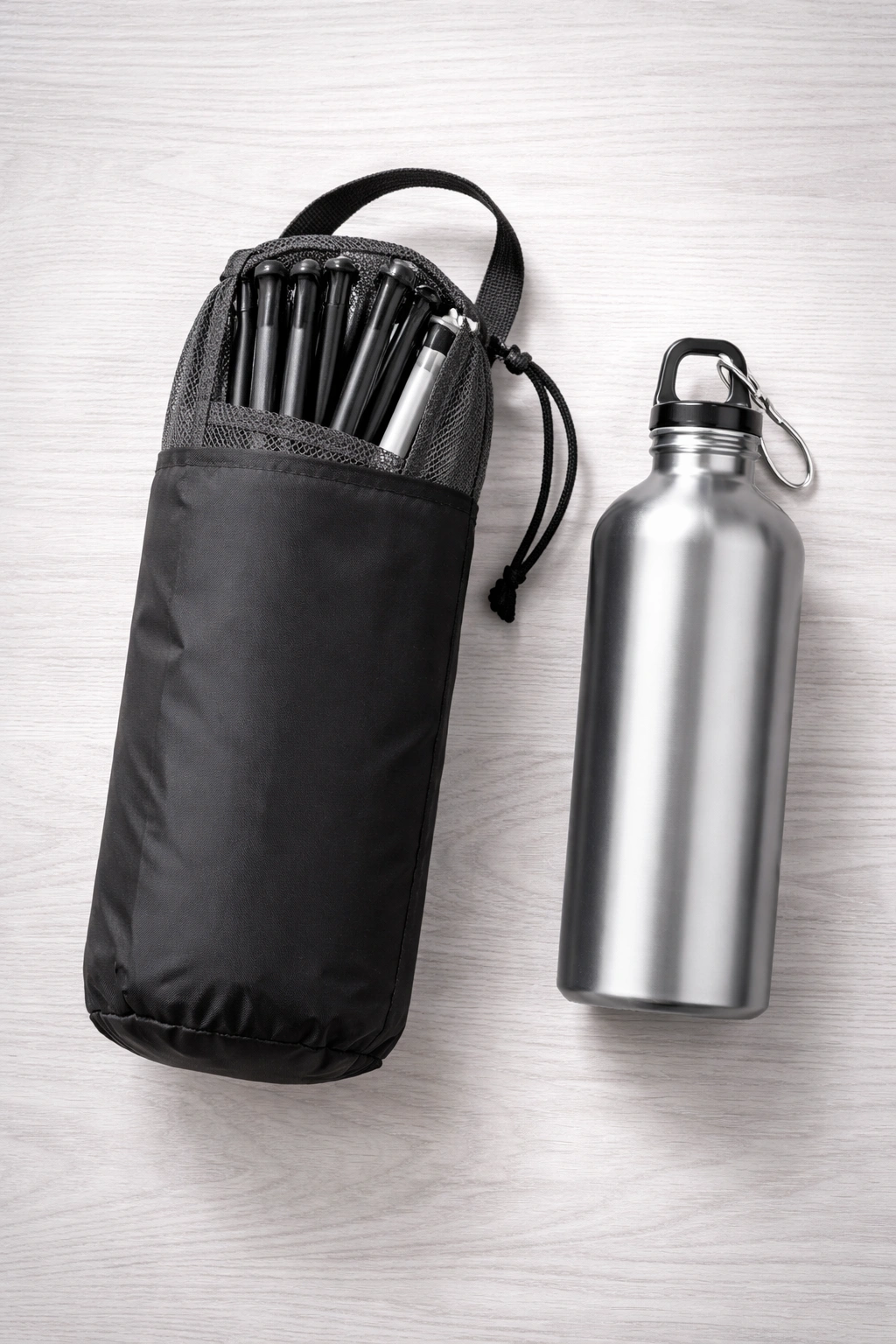
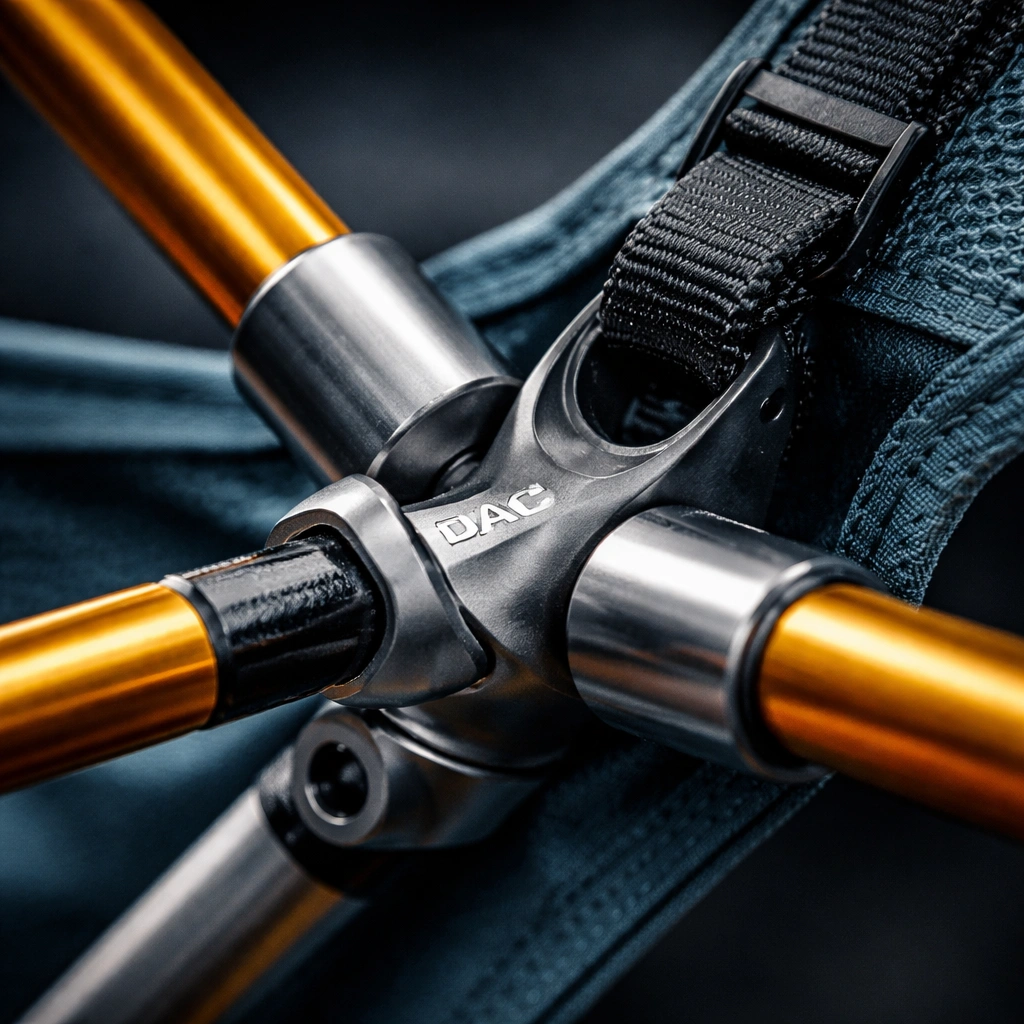
Unlike standard camping chairs that prioritize plush padding and wide seats, lightweight backpacking chairs are engineered for minimal weight and compact packed size. Typically weighing between 1 to 3 pounds (0.45–1.36 kg), these chairs use advanced materials like DAC aluminum poles, high-denier ripstop nylon, and minimalist frame designs. They fold down to the size of a water bottle or a small loaf of bread, sliding easily into backpack side pockets or inside your pack.
When shopping for a lightweight chair, three metrics dominate: packed size, total weight, and setup simplicity. Some models use shock-corded poles (like tent poles) for rapid assembly, while others utilize a fold-flat design. For backpack vs wagon camping chairs, weight is the deciding factor — backpackers almost always choose ultralight options.
| Feature | Lightweight Backpacking Chair | Standard Camping Chair |
|---|---|---|
| Average Weight | 1–3 lbs (0.5–1.4 kg) | 5–10 lbs (2.3–4.5 kg) |
| Packed Size | 4" x 12" to 6" x 15" | 8" x 25" or larger |
| Frame Material | Aluminum alloy / DAC poles | Steel or heavy aluminum |
| Best For | Backpacking, bikepacking, thru-hiking | Car camping, tailgating, RV trips |
Materials & Frame Technology Explained
Understanding materials helps you choose a chair that lasts. Premium lightweight chairs use 7000-series aluminum or DAC poles — the same material found in high-end tents. These offer an excellent strength-to-weight ratio. For fabric, look for ripstop nylon with 600D to 1000D denier or polyester mesh for breathability. Some models incorporate air-mesh backs to reduce sweat during warm weather hikes. If you're curious about the differences between fabrics, read our detailed guide on polyester vs canvas camping chairs and denier (D) fabric explained.
 7000-series Aluminum
 Ripstop Nylon 600D+
 Shock-corded Poles
 Sub-2lb Designs
Frame construction also dictates durability. Steel vs aluminum frame comparison shows aluminum wins for backpacking due to corrosion resistance and lighter weight. Many ultralight chairs now use hub-less or segmented pole designs that reduce bulk and improve packability. Always check the weight capacity — even lightweight models can support up to 300 lbs when engineered correctly. For more details, visit our weight capacity explained resource.
Aluminum Alloy Frames
Durable, rust-proof, and significantly lighter than steel. Ideal for multi-day treks.
Ripstop Nylon Fabric
Resists tears and abrasion. High-denier options (600D+) add longevity.
Compressed Pack Size
Fits in hydration sleeve or side pocket. Look for stuff sacks with compression straps.
Tool-Free Setup
Shock-corded poles or click-lock assemblies let you pitch in under 30 seconds.
Weight Capacity & Comfort: Finding Your Sweet Spot
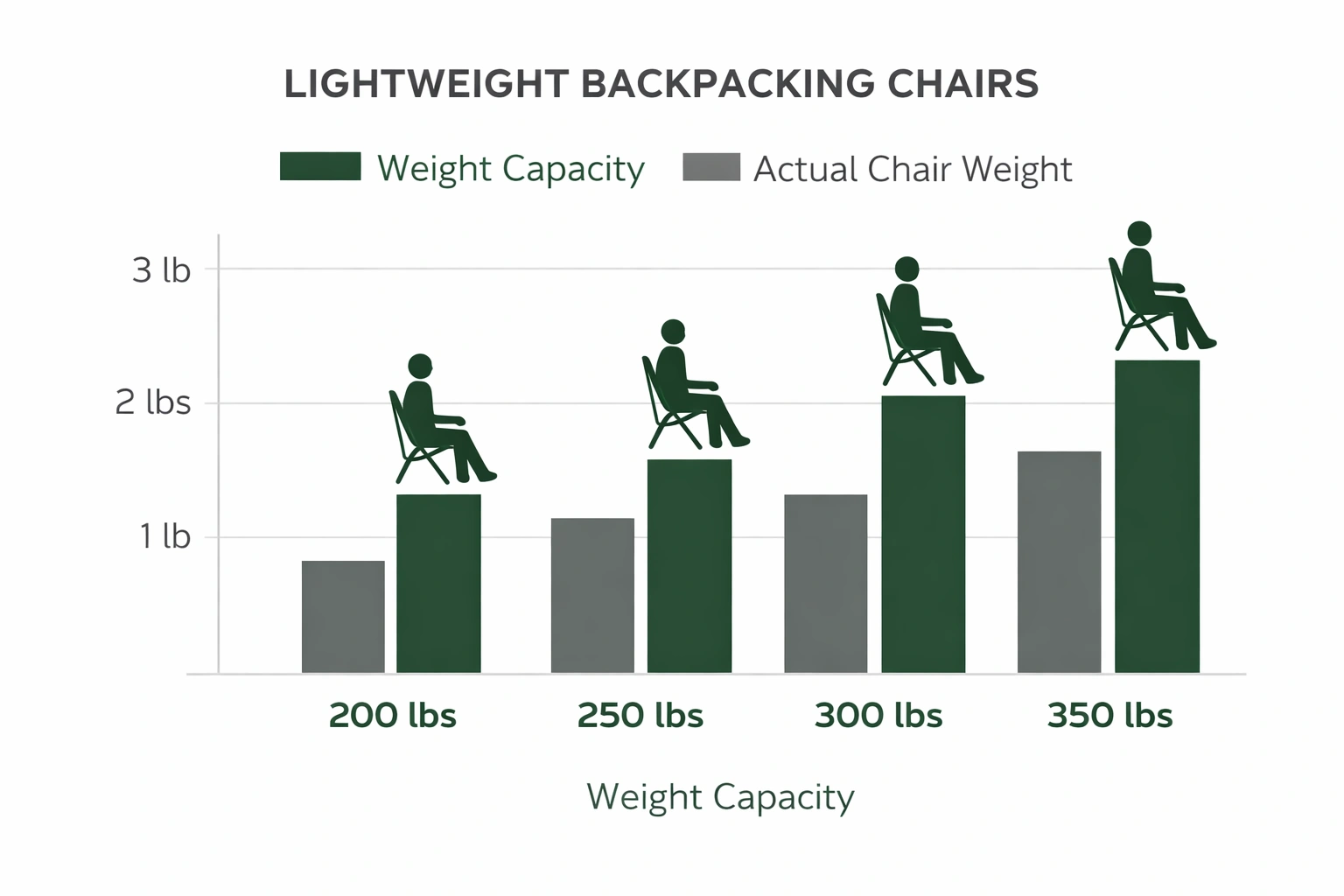
One of the biggest misconceptions is that lightweight chairs sacrifice stability. Modern engineering allows compact chairs to support 250–350 lbs while staying under 2 pounds. For larger adventurers, there are specialized XXL / Big & Tall camping chairs that still offer portability. But for backpacking, the comfort vs portability trade-off is real: a slightly heavier chair may offer a higher backrest or wider seat, ideal for those who prioritize relaxation after a long hike. If you’re debating between extremes, our comfort vs portability guide helps you decide.
Also consider seat height: low-profile chairs (4–7 inches off ground) are ultralight and pack tiny, but can be challenging for people with knee issues. Higher-seated lightweight chairs (12–16 inches) add a few ounces but offer easier entry/exit. Think about your typical camping style: if you’re a thru-hiker covering 20+ miles daily, every ounce saved matters. For shorter trips or basecamp setups, a slightly heavier chair with extra features like a side table might be worthwhile.
Perfect for These Outdoor Adventures
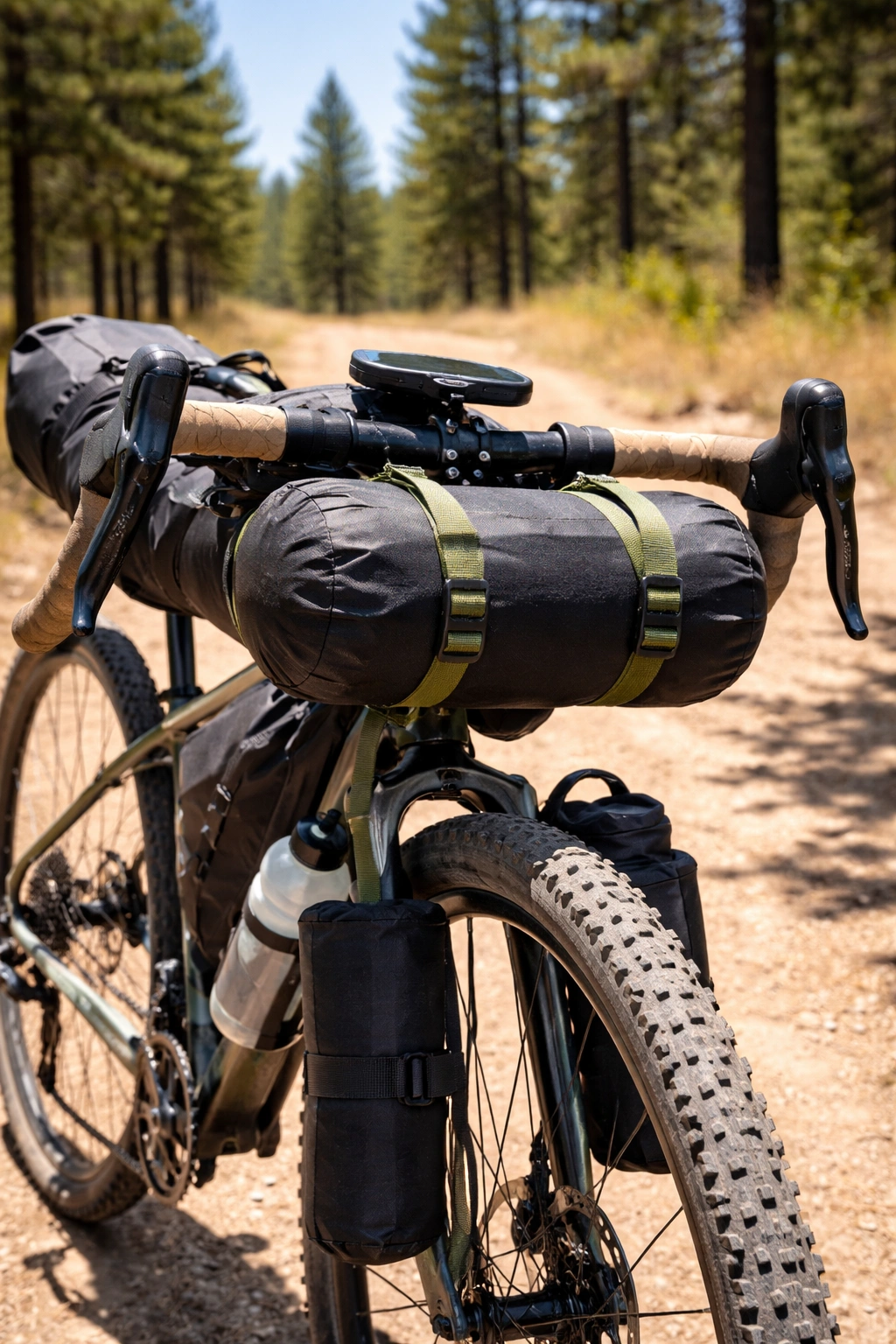
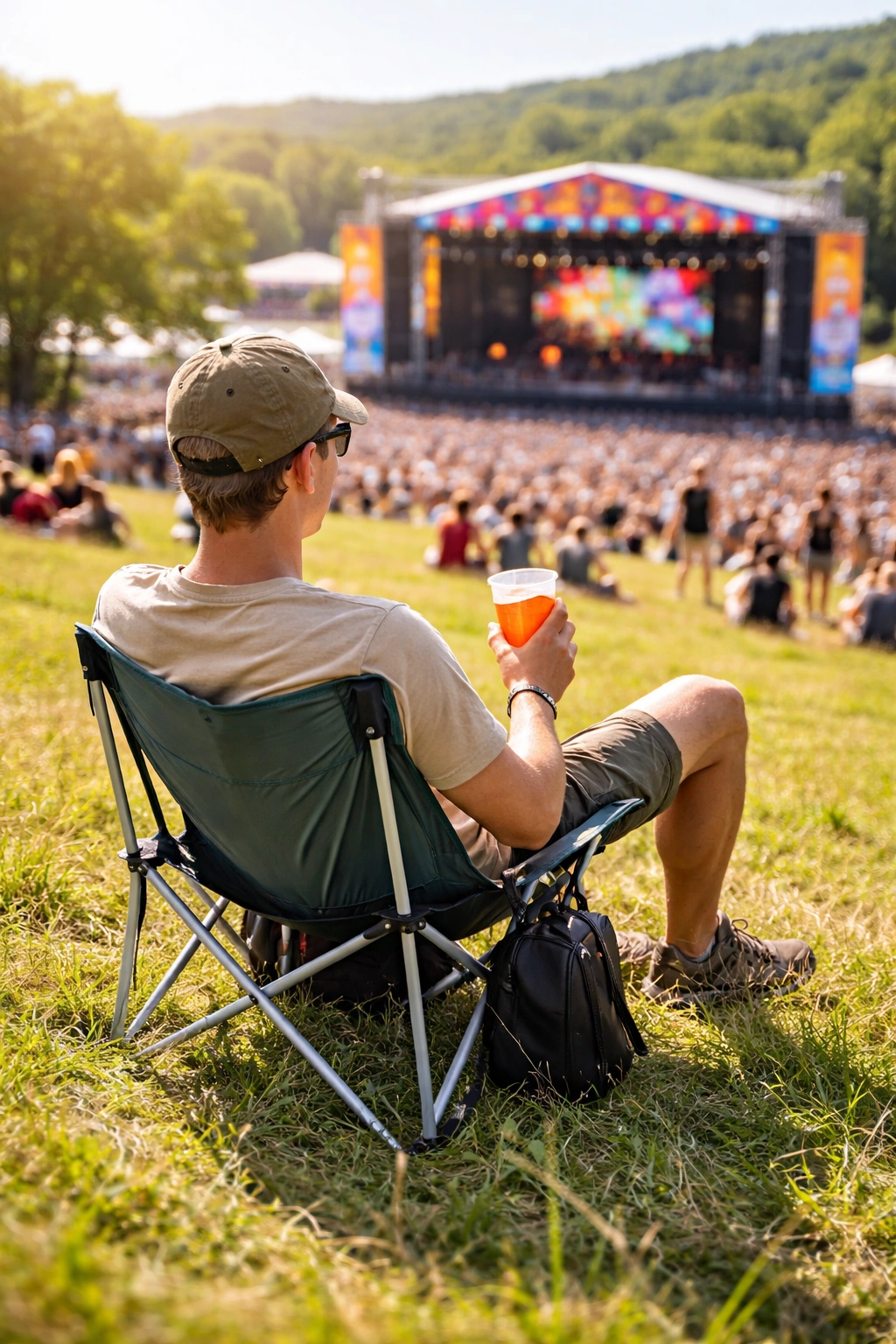
Lightweight backpacking chairs aren't only for backcountry treks. They shine across multiple scenarios:
- Thru-hiking & backpacking: Essential for rest days, cooking, and enjoying mountain views.
- Bikepacking: Compact size fits into frame bags or panniers.
- Kayak camping: Lightweight chairs double as beach loungers.
- Festivals & concerts: Easy to carry across fields and set up anywhere. Check our festival chair guide for specific models.
- Fishing trips: A lightweight chair lets you hike to remote fishing spots without hauling heavy gear. See camping chairs for fishing for more specialized options.
For car campers who still want portability, lightweight chairs are great for car camping comfort without sacrificing trunk space. And if you’re planning a road trip, these chairs are perfect for spontaneous stops and picnics.
Care & Maintenance for Longevity
Investing in a quality lightweight chair means protecting it. Follow these tips to ensure years of use:
- After each trip, shake off dirt and sand before packing; use a soft brush to clean frame joints.
- If fabric gets muddy, hand wash with mild soap and air dry completely — never store damp.
- Check shock cords periodically; if they lose tension, they can be replaced (most brands sell repair kits).
- For stubborn mold from humid climates, follow our remove mold from camping chairs guide.
- Store chairs in a cool, dry place, preferably unzipped to relieve stress on fabric and zippers.
If you encounter common issues like a wobbly leg or a stuck hinge, our troubleshooting resources like fix wobbly camping chair leg and lubricate camping chair hinges can help you DIY repairs.
Top Lightweight Chair Brands to Trust
Not all lightweight chairs are created equal. Industry leaders include Helinox (the original ultralight pioneer), Nemo (known for innovative ergonomics), REI Co-op (great value with solid warranties), and KingCamp (budget-friendly options). For a deeper dive into how these stack up, read our Helinox vs Nemo comparison and best ultralight backpacking chairs roundup.
For those on a tighter budget, models from Ozark Trail or Kijaro offer lightweight designs at affordable prices, though they may sacrifice some packability. Premium brands like Yeti have also entered the lightweight segment with overbuilt materials that prioritize durability.
How to Choose the Right Lightweight Chair for You
Still uncertain? Follow this 3-step decision framework:
- Determine your primary activity: Thru-hiker → sub-2 lb models. Weekend backpacker → 2–3 lb chairs with better back support. Car camper who wants portability → 3–4 lb foldable directors.
- Set a weight capacity requirement: Check your own weight plus gear you might place on the chair (e.g., a backpack). Many lightweight chairs have 250–300 lb limits; verify specifications.
- Evaluate packed size vs. comfort: If your pack is already tight, prioritize compactness. If you have external attachment points, you can go for slightly larger chairs. For more details, see our comprehensive how to choose a camping chair guide.
Once you’ve narrowed your choices, browse the hand-picked recommendations below. We update these selections with current bestsellers and editor-tested models.
✅ Ready to buy? The products listed below are among the top-rated lightweight backpacking chairs available through our affiliate partner Walmart. Each has been vetted for weight, packability, and real-world user reviews. Click through to check current prices, stock, and detailed specifications.