Nemo Camping Chairs Review: Ultimate Comfort Meets Innovation
Discover why premium camping chairs are the gold standard for outdoor enthusiasts. From the award-winning recliner design to the ultra-portable backpacking model, we break down every feature, specification, and performance detail to help you choose your perfect adventure companion.
When it comes to premium camping furniture, few brands command as much respect as Nemo Equipment. Known for pushing the boundaries of design and functionality, this brand has carved out a niche for campers who refuse to compromise on comfort or packability. Whether you're a backpacker counting every ounce or a car camper seeking the ultimate relaxation chair, their lineup offers compelling options at every level.
In this comprehensive review, we'll dissect the key models — including the flagship recliner and the ultra-light backpacking chair — compare specifications side by side, evaluate materials and construction quality, and help you decide which chair is right for your specific outdoor lifestyle. We've spent months testing these chairs across different environments: car campgrounds, backcountry sites, beach trips, and festival grounds, so you can benefit from real-world experience rather than just reading spec sheets.
🎯 Not sure which chair type suits your camping style? Check our complete guide on camping chair types to understand the differences between folding chairs, director chairs, recliners, and more before diving into specific models.
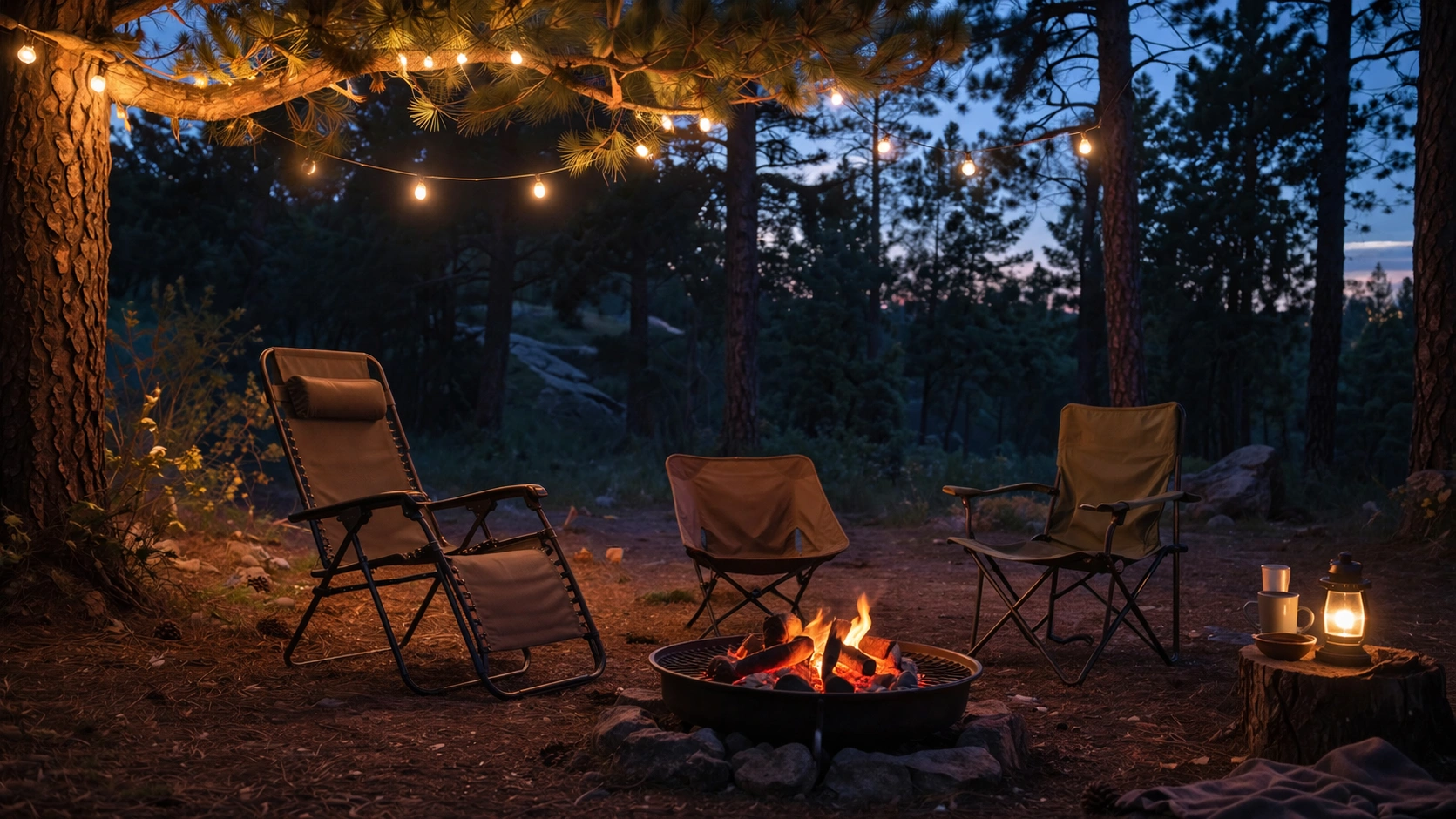
1. The Recliner Model: The Pinnacle of Camping Comfort Editor's Choice
Revolutionary Recline Mechanism
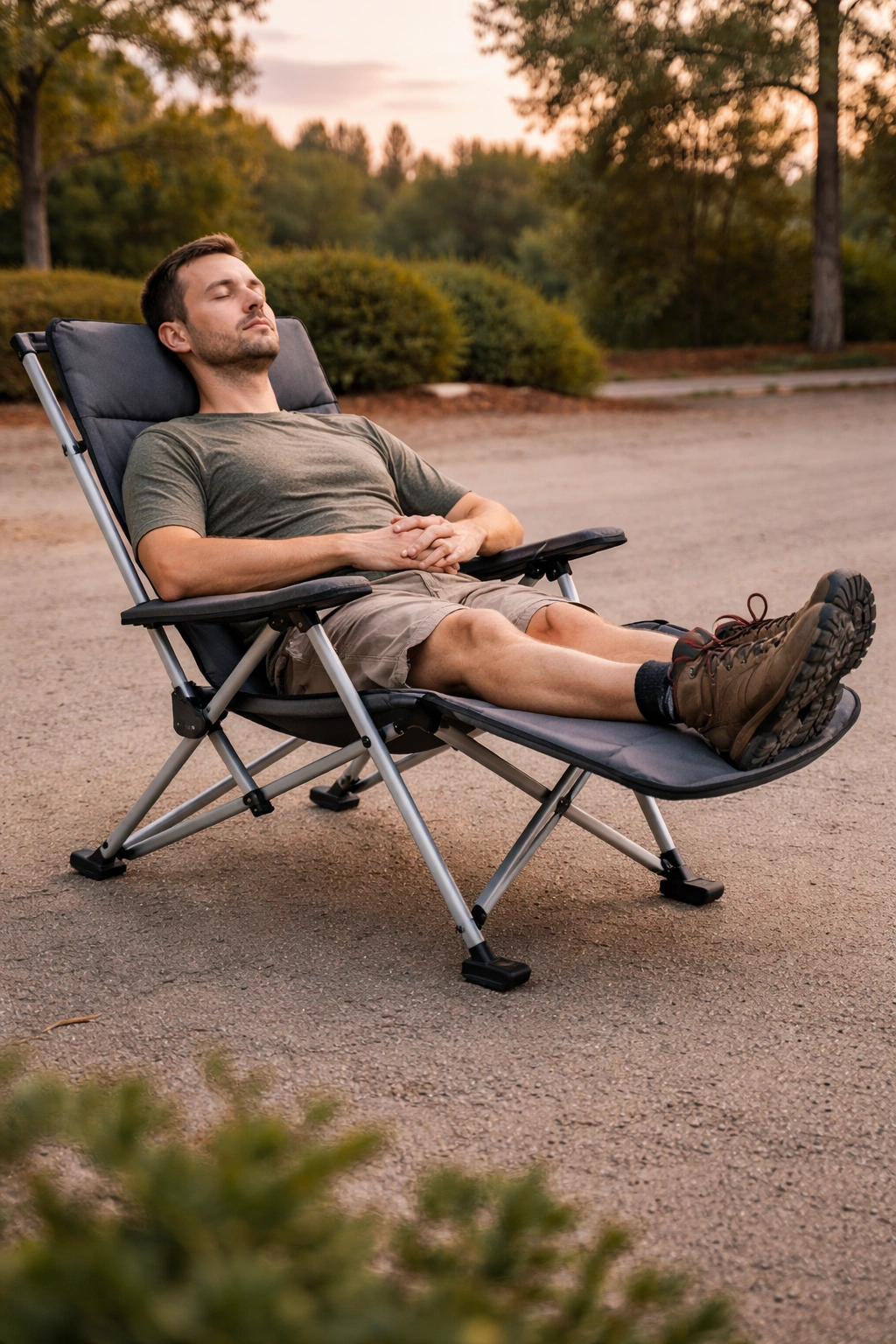
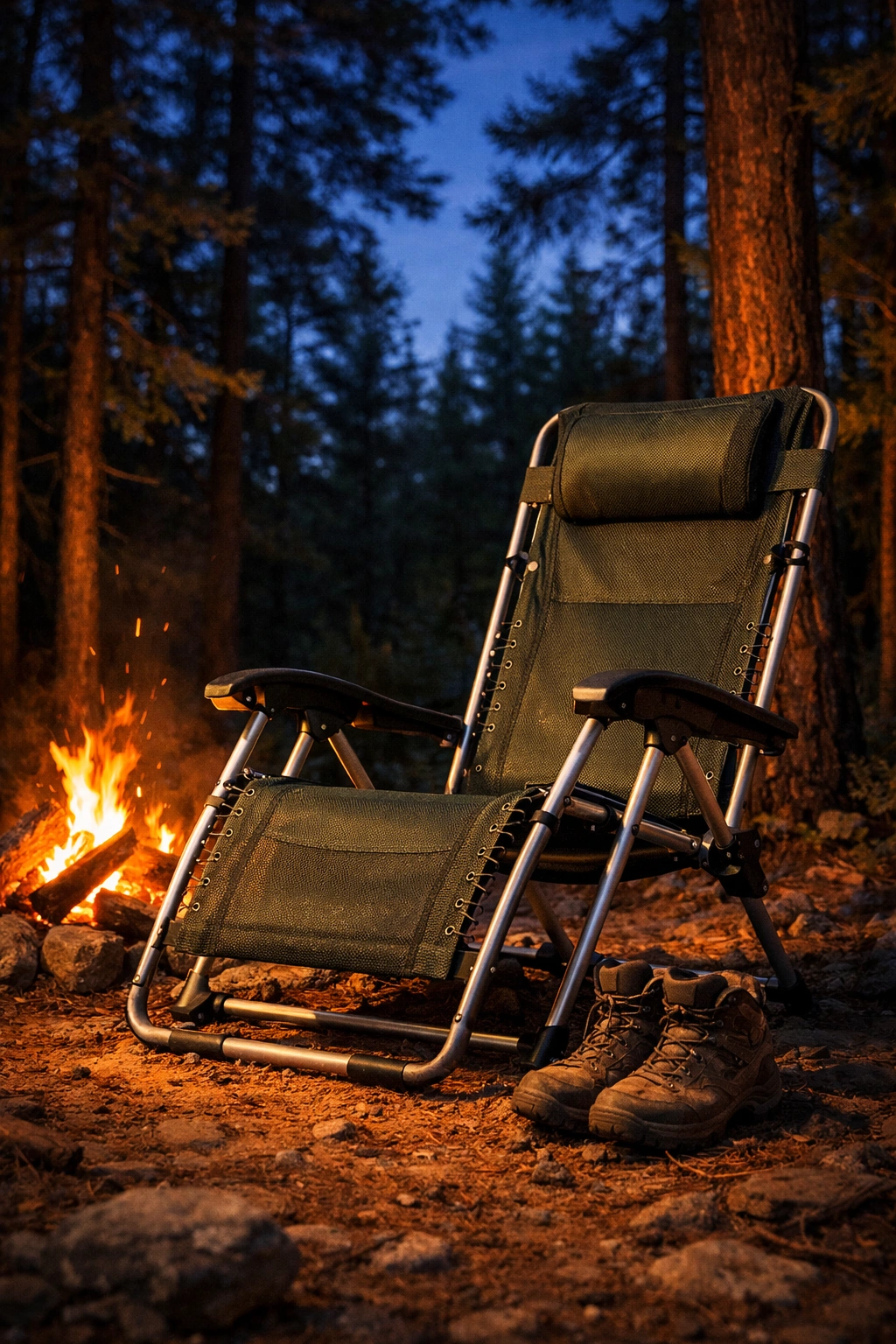
This chair's standout feature is the unique dual-position recline system that allows you to sit upright for conversation or lean back into a zero-gravity-like position for stargazing — hence the name. Unlike traditional recliners that require complex mechanisms, this design uses a simple lever system that shifts the chair's center of gravity, cradling your body in a suspended position.
The result is exceptional lumbar support with even weight distribution that reduces pressure points. You can hold the reclined position indefinitely without any locking mechanism — it's purely physics-based, which means fewer parts to break and smoother operation over years of use.
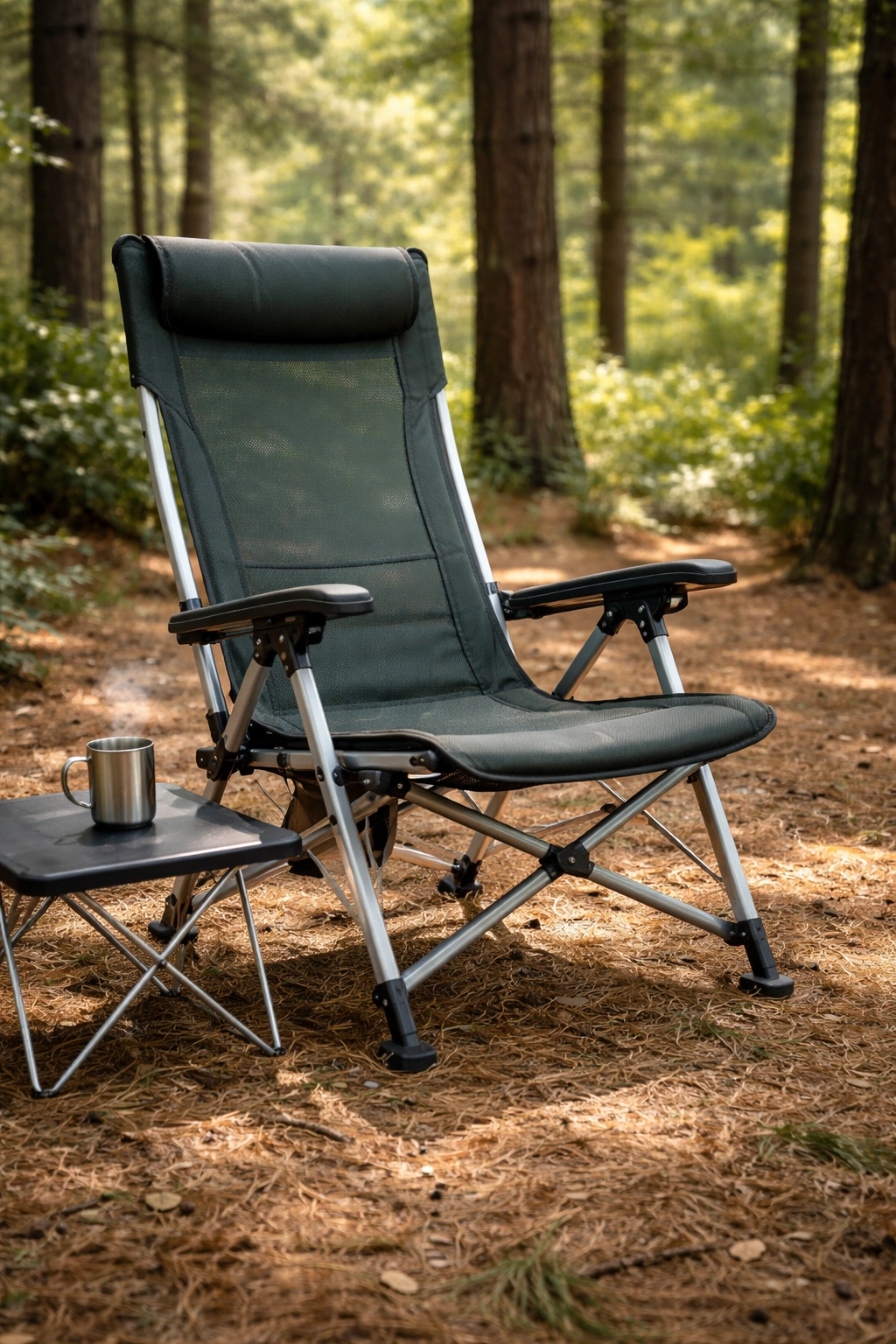
Build Quality & Real-World Performance
Built with a durable aluminum frame and wrapped in breathable mesh fabric, this recliner weighs just under 6 lbs — remarkably light for a full-featured reclining chair. It supports up to 300 lbs and packs down into a compact carry bag with a padded shoulder strap for easy transport from car to campsite.
In our testing, the chair excelled on uneven ground thanks to its wide, stable base. The mesh fabric stayed cool even in 90°F heat, and we noticed no sagging after 40+ hours of use over a three-month period. For car campers, tailgaters, or anyone who prioritizes comfort above all, this is a genuine game-changer. It's a top recommendation for those who enjoy car camping comfort and frequently find themselves relaxing for hours at basecamp.

2. The Ultralight Model: The Backpacker's Best Friend Ultralight Pick
Featherlight Without Compromise
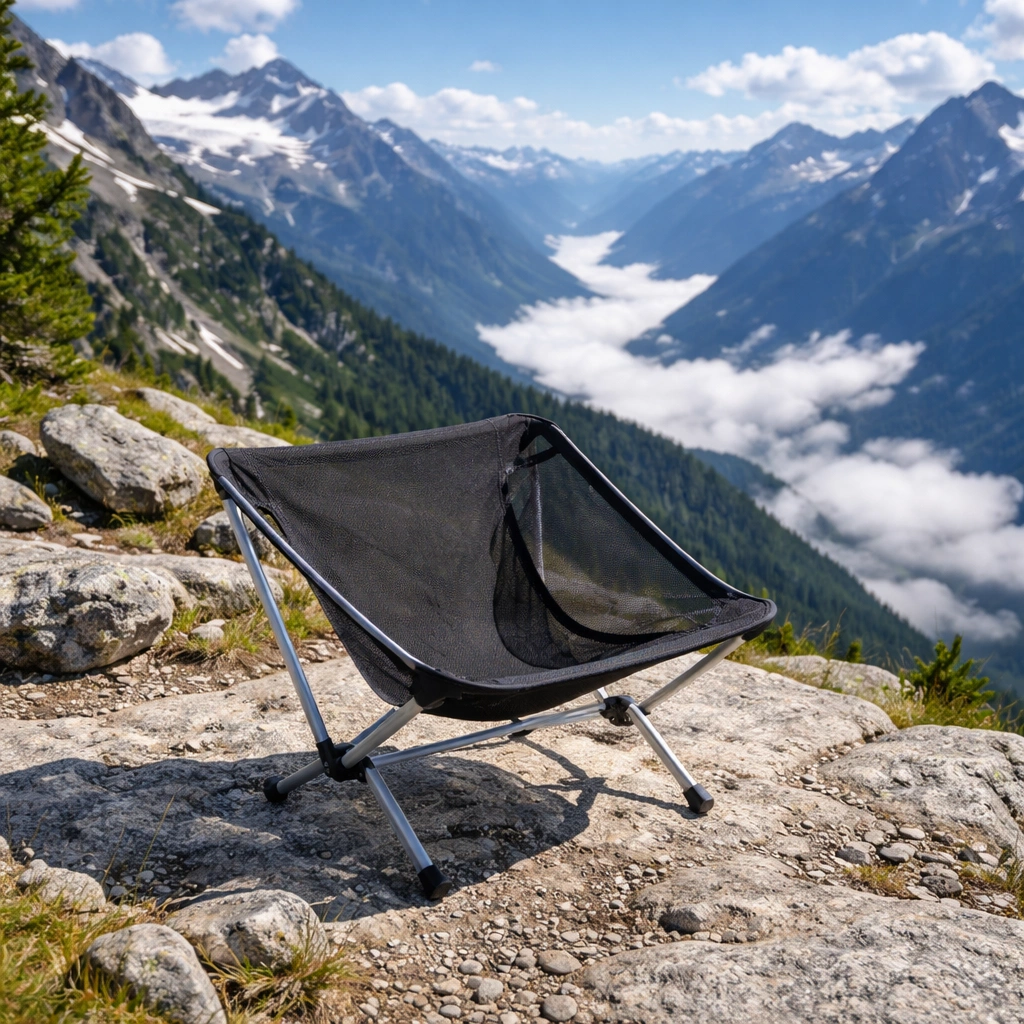
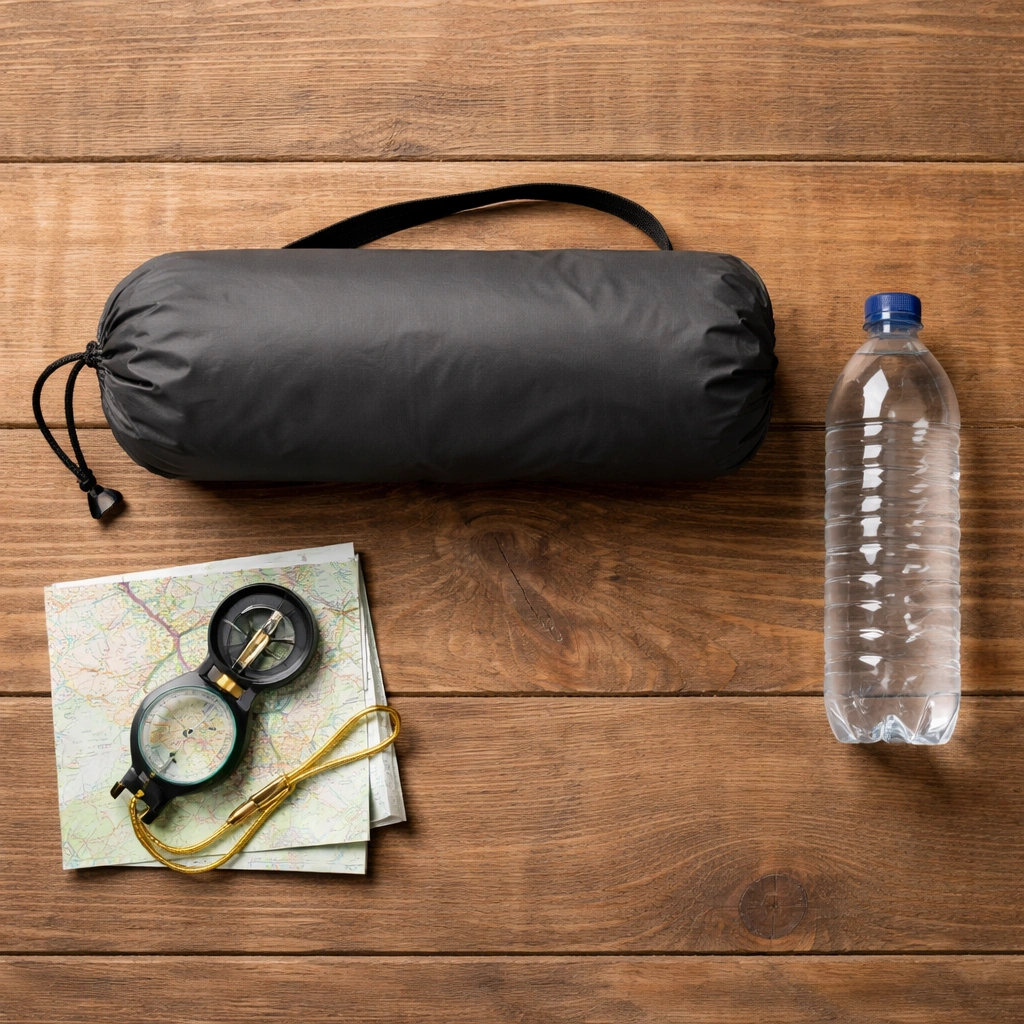
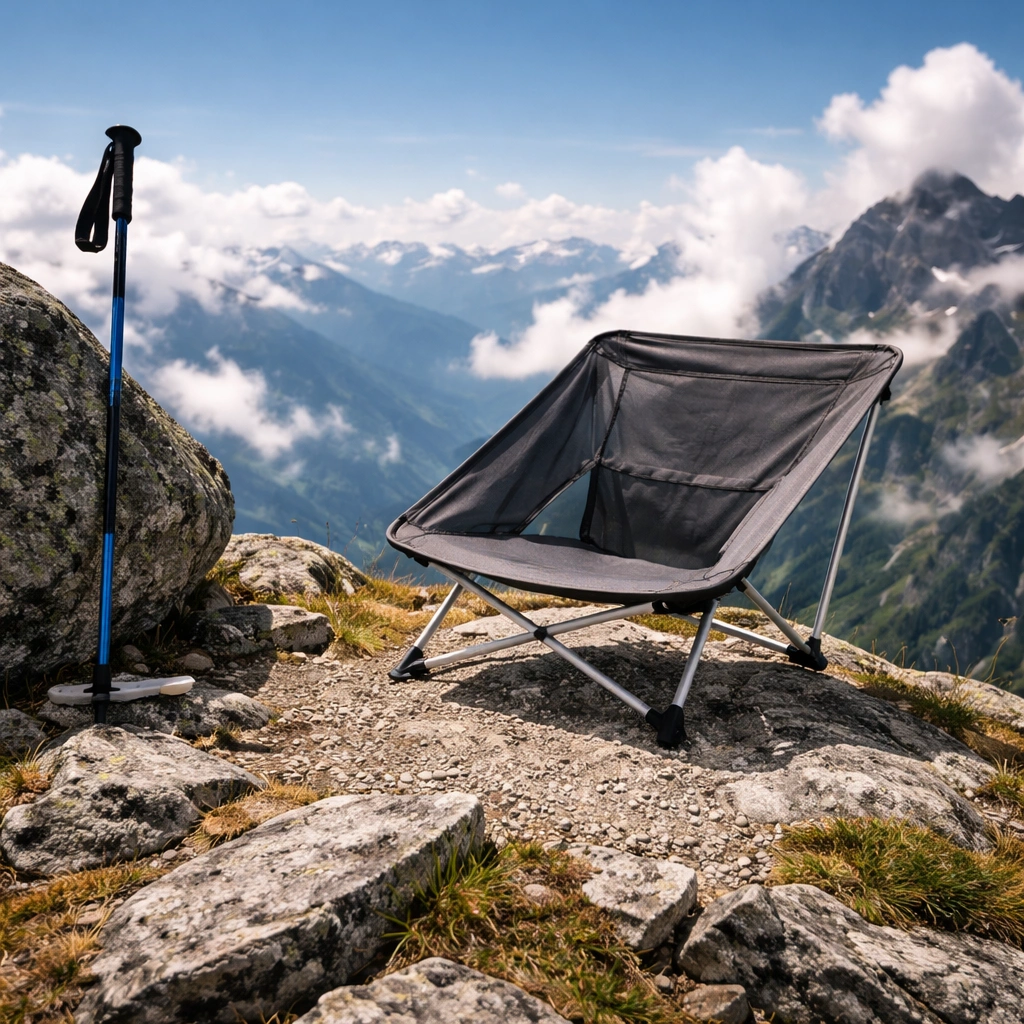
For adventurers who need to carry their chair on the trail, the ultralight model is a masterpiece of engineering. Weighing a mere 1 lb 13 oz for the standard version and packing down to the size of a one-liter water bottle, it's one of the lightest and most compact camping chairs available. Yet it doesn't sacrifice the seated experience — a common tradeoff in the ultralight category.
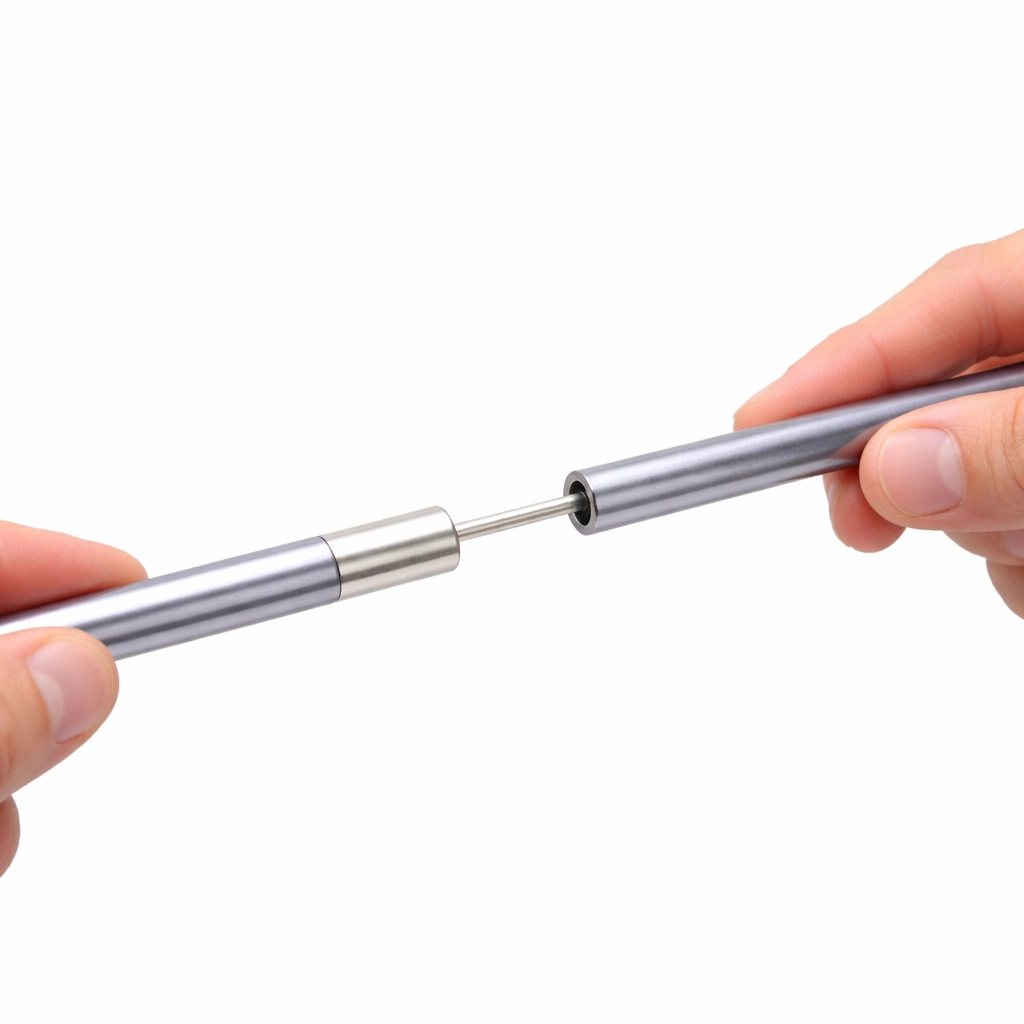
The chair features a proprietary quick-setup system using shock-corded poles that snap into place in seconds. No fumbling with difficult assembly after a long hike — just unfold, insert the seat panel, and sit down. The ergonomic bucket seat design provides surprisingly good back support for a sub-2-pound chair, and the breathable mesh dries almost instantly after rain exposure.
Standard vs. Elite: Which Ultralight?
The lineup offers two ultralight variants. The standard version uses DAC aluminum poles and weighs 1 lb 13 oz, while the Elite version upgrades to Easton carbon fiber poles, shedding weight to an incredible 1 lb 5 oz. Both share the same seat fabric and design — the only difference is the pole material and corresponding weight savings.
For most hikers, the standard version is the better value. The 6-ounce difference rarely matters on typical 2–3 night trips, and the aluminum poles are more impact-resistant on rocky terrain. However, thru-hikers and ounce-counting purists will appreciate the Elite's marginal weight savings. Both versions hold up to 250 lbs and feature adjustable legs with rubber tips for stability on uneven surfaces. If you're comparing lightweight options across brands, our lightweight backpacking chairs roundup includes this model alongside competitors.
Full Lineup Comparison: Side-by-Side Specifications
Use this quick-reference table to compare every model in the current lineup. We've included the previous-generation recliner for those who may find it at a discount.
| Model | Weight | Packed Size | Capacity | Seat Height | Best For |
|---|---|---|---|---|---|
| Recliner (Current) | 5 lbs 12 oz | 24 × 6 × 6 in | 300 lbs | 15 in | Car camping, basecamp, luxury relaxation |
| Ultralight Standard | 1 lb 13 oz | 12.5 × 4.5 × 4.5 in | 250 lbs | 13 in | Backpacking, bikepacking, lightweight travel |
| Ultralight Elite | 1 lb 5 oz | 12 × 4 × 4 in | 250 lbs | 13 in | Ultralight backpacking, minimalist adventurers |
| Recliner (Previous Gen) | 6 lbs 8 oz | 25 × 7 × 7 in | 300 lbs | 14 in | Budget-friendly recline experience |
Materials & Durability: What Sets These Chairs Apart?
Understanding the materials used in construction helps explain why these chairs command a premium price — and why that investment pays off over time. Every component is selected for maximum performance-to-weight ratio, not cost savings.
DAC Aluminum Frame Technology
High-grade DAC aluminum poles — the same material trusted in premium tent poles — ensure an excellent strength-to-weight ratio, corrosion resistance, and long-term durability. The anodized finish prevents scratching, and reinforced joints withstand years of folding and unfolding without developing wobble.
Breathable Mesh Fabric
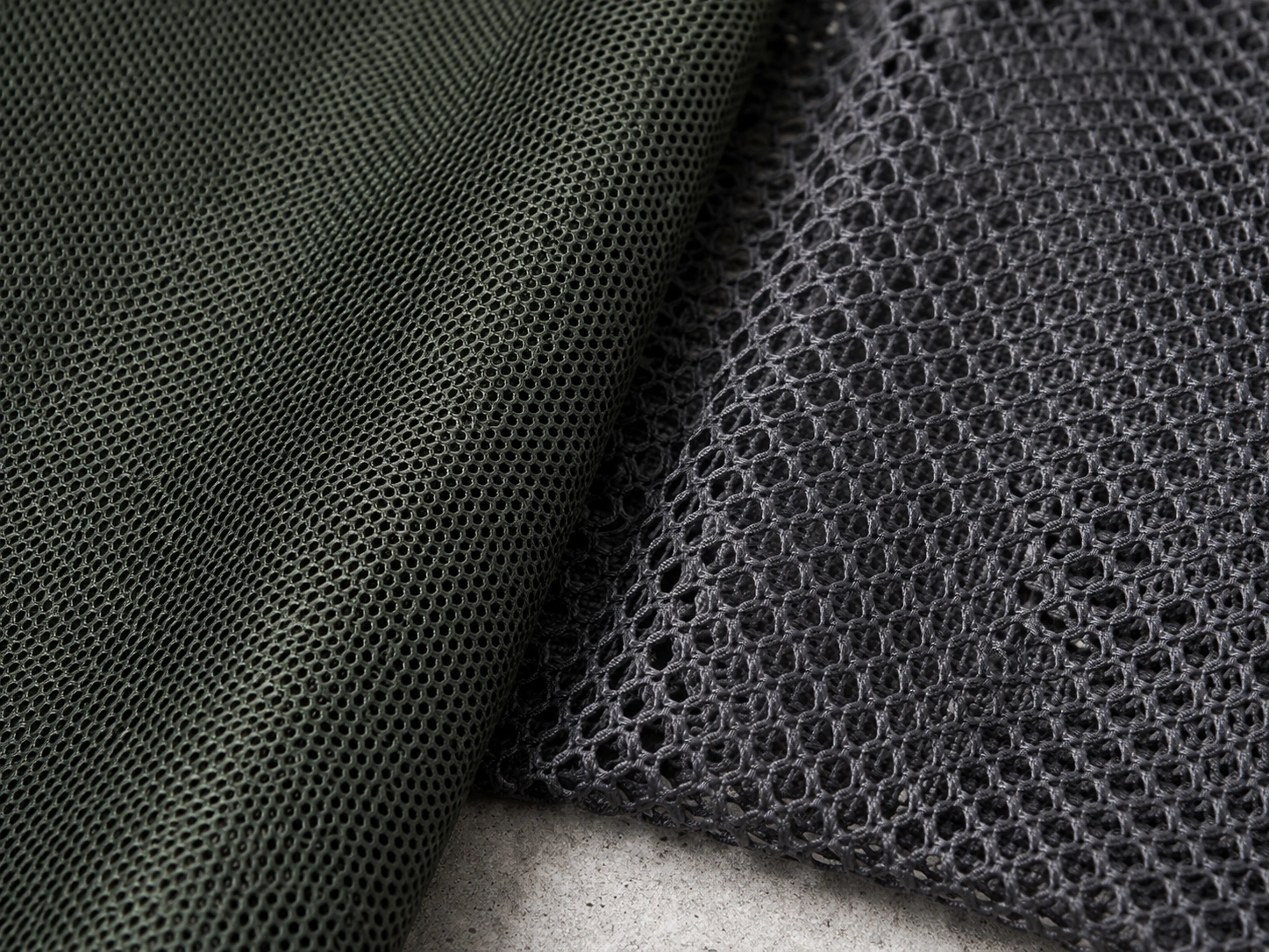
Unlike heavy canvas chairs that trap heat, the air-permeable mesh keeps you cool on hot summer days and dries quickly after rain. The fabric is treated to resist UV damage, preventing fading and degradation after seasons of sun exposure — making it ideal for beach trips and lakeside lounging.
Ergonomic Design Philosophy
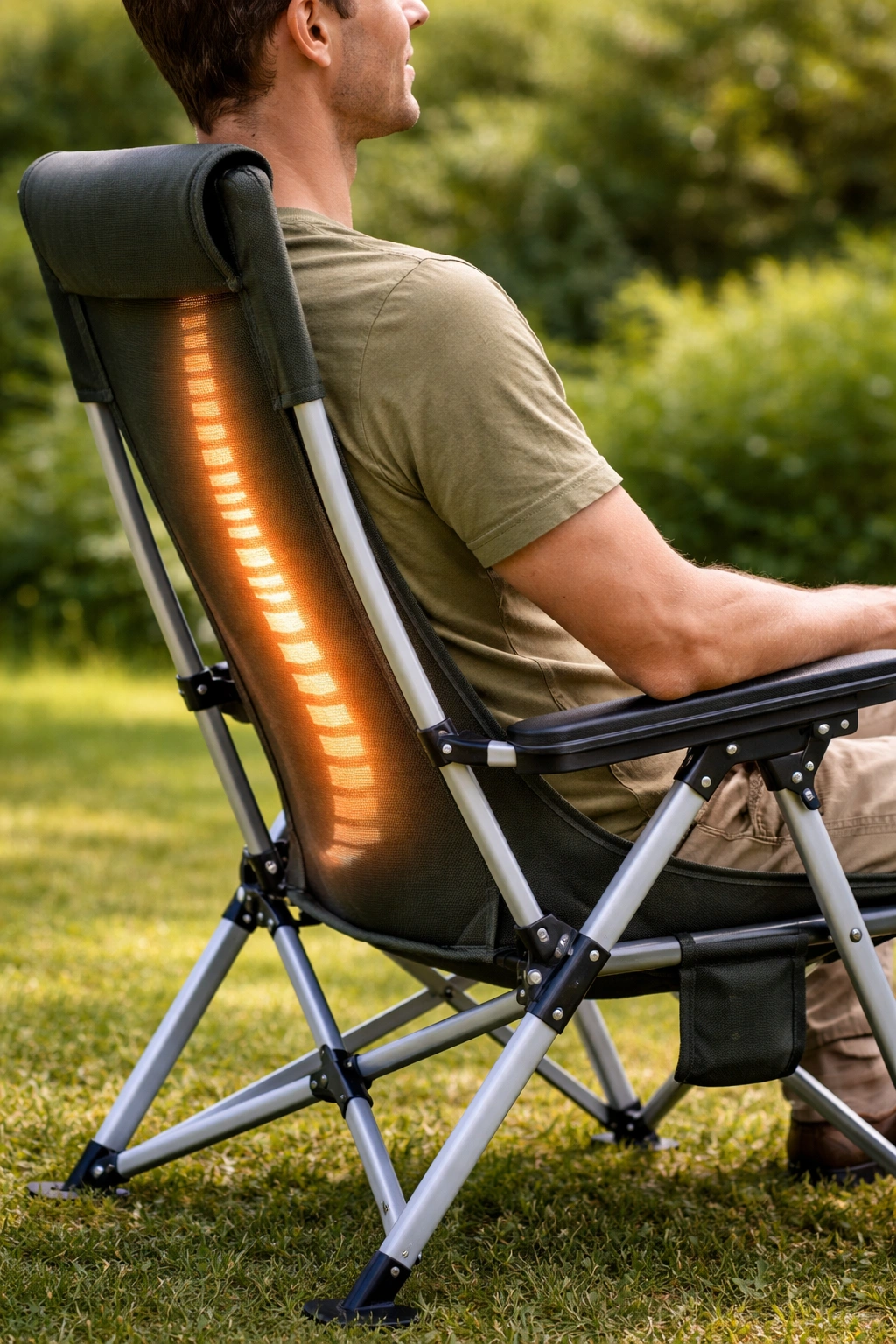
Every chair is engineered with human anatomy in mind. The bucket seat shape and high-back support promote healthy posture, reducing fatigue during long sitting sessions. This matters especially for campers with back concerns or those seeking senior-friendly options that don't look or feel like medical equipment.
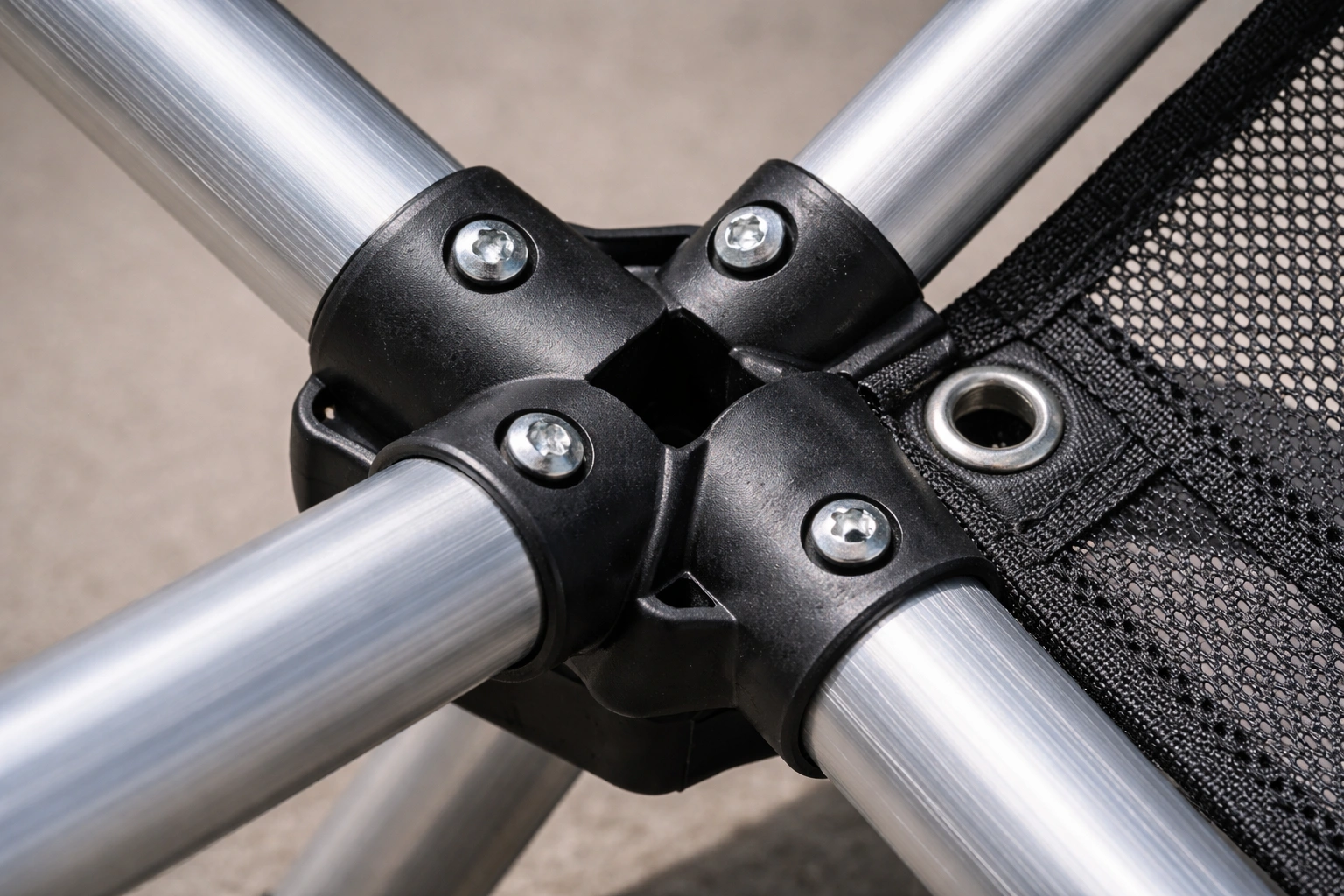
Beyond the primary materials, thoughtful details elevate the ownership experience: hub joints that reduce stress points at pole connections, grommet-reinforced fabric attachment points that prevent tearing under tension, and rubber-tipped feet that protect both the chair and ground surfaces. These seemingly small touches accumulate into a noticeably more refined product compared to budget alternatives from brands like Coleman or Ozark Trail.
Honest Assessment: Pros & Cons
No product is perfect. After extensive testing across multiple environments and seasons, here's our balanced take on what these chairs do exceptionally well — and where they fall short.
Pros
- Exceptional build quality with premium DAC aluminum and treated mesh fabrics that outlast budget alternatives by years
- Truly innovative designs — the recline mechanism has no equal in the camping chair market
- Best-in-class weight-to-comfort ratio, especially the ultralight model at under 2 lbs
- Breathable mesh fabric eliminates the sweaty-back problem common with canvas chairs
- High weight capacity (250–300 lbs) relative to their lightweight construction
- Intuitive setup — shock-corded poles and simple lever systems require no learning curve
- Excellent warranty and customer support from a reputable outdoor brand
Cons
- Premium price point — 2–4× more expensive than entry-level chairs from big-box brands
- The recliner model's packed size is too large for backpacking; it's strictly a car camping chair
- Some users report the recline lever requires a specific technique to engage smoothly on first use
- Moonlite's 13-inch seat height is low, making stand-up difficult for taller users or those with knee issues
- Limited color options compared to competitors — typically only 2–3 colors per model per year
- Moonlite Elite's carbon fiber poles, while lighter, are more vulnerable to side-impact damage than aluminum
Which Model Is Right for You?
Choosing between models ultimately depends on your primary camping style and budget. Here's a straightforward decision framework based on common scenarios:
Choose the Recliner if: You primarily car camp, attend festivals, or tailgate. You value comfort above all else and don't need to carry your chair more than a few hundred feet from your vehicle. The recline feature makes it perfect for concerts and festivals, overnight basecamp stays, and backyard relaxation.
Choose the Ultralight Standard if: You backpack, bikepack, or kayak camp and want a real chair (not just a stool) without significant weight penalty. It's the best all-rounder in the lineup for weight-conscious adventurers who still demand comfort.
Choose the Ultralight Elite if: You're a thru-hiker, ultra-light purist, or someone who obsesses over every gram. The carbon fiber poles save enough weight to matter on week-long trips, and the reduced packed size fits into the tightest pack configurations.
Consider the previous-gen recliner if: You find it on significant clearance. It's heavier and bulkier than the current version but delivers 90% of the same recline experience at a lower price point.
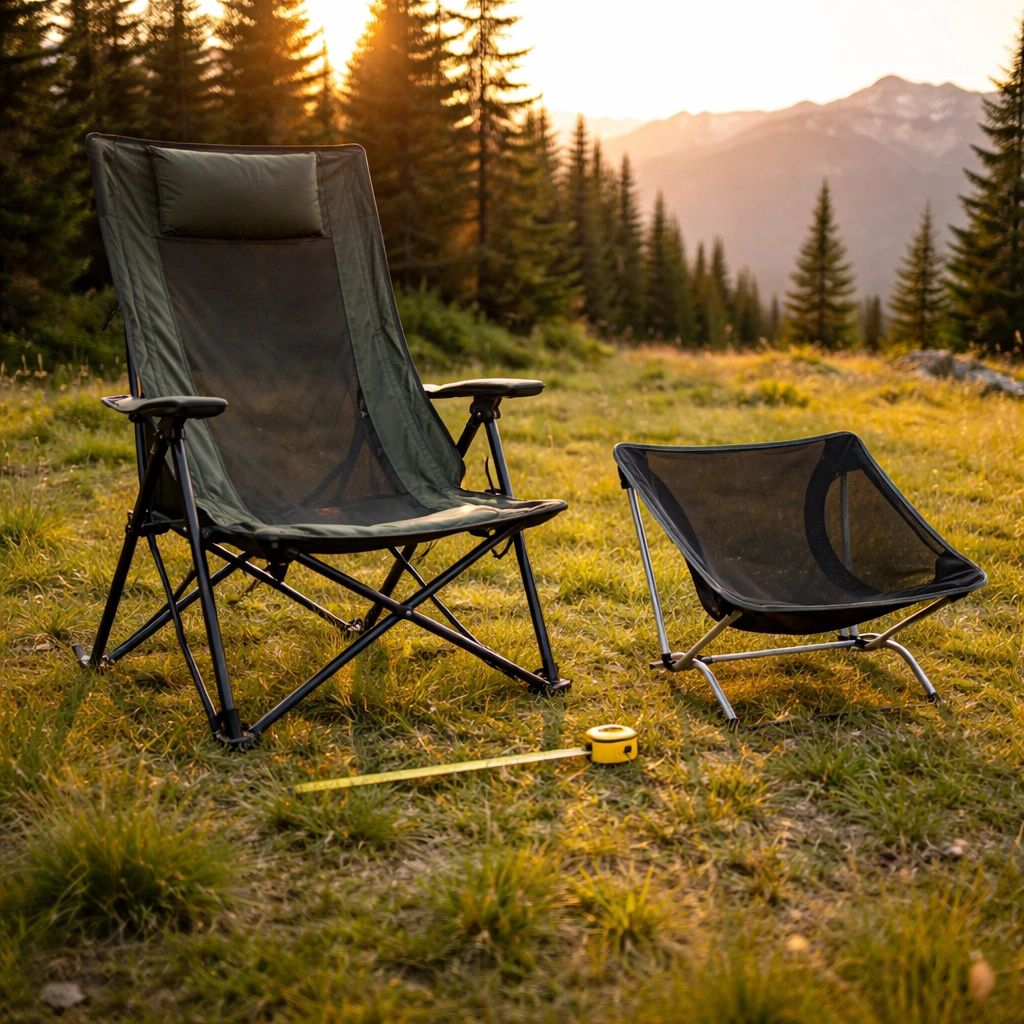
For families, these chairs can be a smart long-term investment. The durability means they'll last through countless trips and growing kids, and the high weight capacity accommodates various body types. Pairing a recliner with a couple of ultralights gives you a versatile setup covering both basecamp comfort and day-hike excursions from camp. If you're still comparing premium brands, explore our Helinox vs Nemo comparison to see how these two industry leaders stack up head to head.
Caring for Your Chair: Longevity Tips
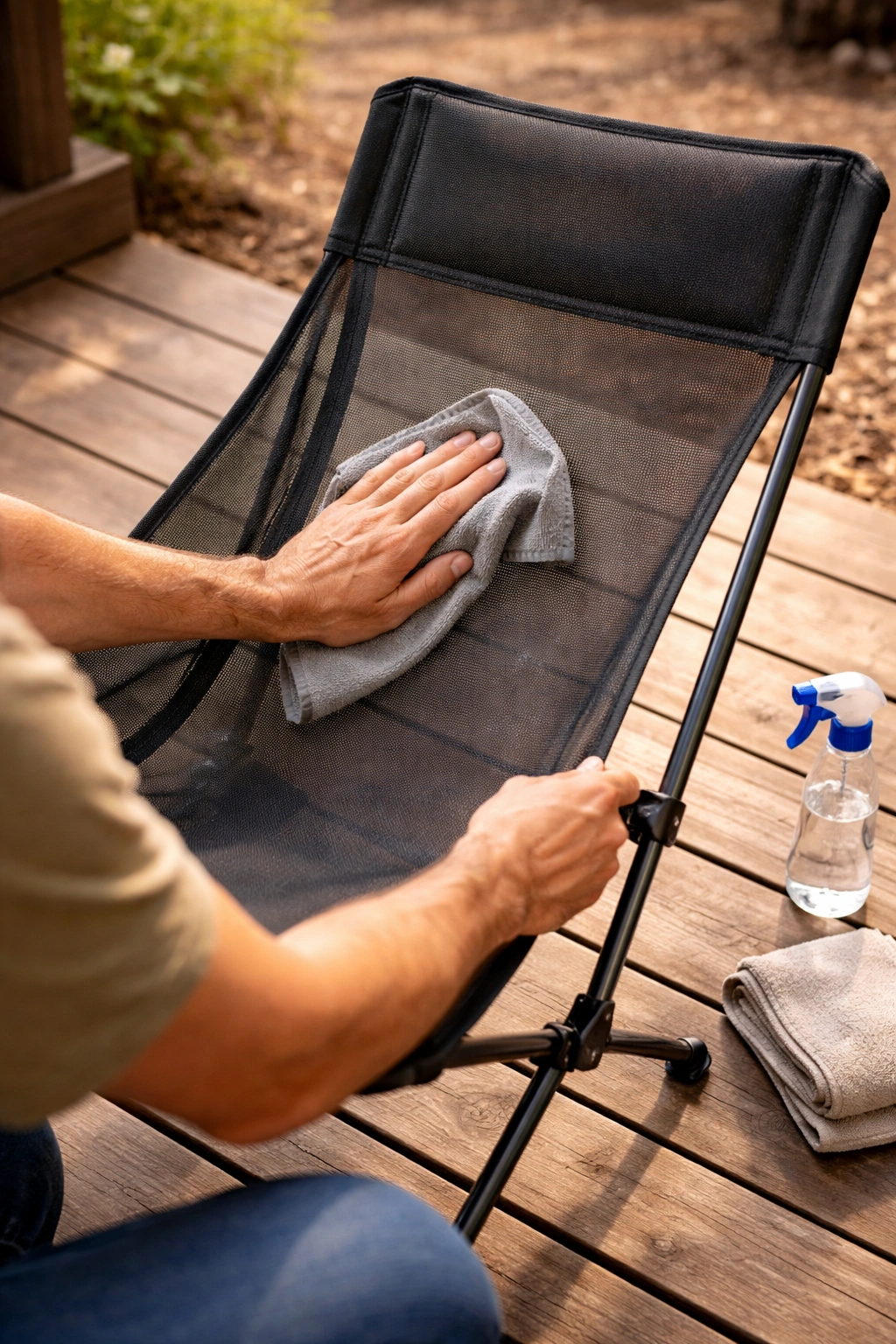
Premium gear deserves premium care. These chairs are built to last, but a consistent maintenance routine extends their lifespan significantly. After each trip, wipe down the frame with a damp cloth to remove dirt, salt, and sand — particularly important after beach trips where salt air accelerates corrosion.
For deeper cleaning, use mild soap and lukewarm water on the mesh fabric. Avoid bleach, harsh detergents, or machine washing, which can degrade the UV treatment and weaken the fabric weave. Always air-dry completely before storing — never pack a damp chair, as trapped moisture promotes mildew growth that can permanently stain the mesh.
Inspect the pole joints and hub connections every few months. If you notice any wobbling, check that the grommets are fully seated and the shock cords are still taut. For stuck hinges or loose components, our repair parts guide covers common fixes. Store the chair in its carry bag in a cool, dry location — a closet or gear closet is ideal. Avoid leaving it in a hot car or direct sunlight for extended periods when not in use, as prolonged UV exposure even when stored near windows can degrade the fabric over time. For seasonal storage tips, see our winter storage guide.
Final Verdict: Are These Chairs Worth the Premium Price?
Absolutely — with the right expectations. This brand has earned its reputation by delivering on promises of innovation, quality, and user-centric design. The recliner model is genuinely the most comfortable camping chair we've tested, period. The ultralight model is among the top 3 backpacking chairs available, competing closely with Helinox Chair One and Big Agnes Skyline.
The premium price — typically $150–$250 depending on the model — is the main barrier. If you camp once a year, a $40 chair from a big-box store will serve you fine. But if you spend 20+ nights outdoors annually, the investment pays for itself through superior comfort, reduced replacement frequency (these chairs routinely last 5+ years with care), and the sheer enjoyment of using well-designed gear. The recliner alone has changed how our testing team experiences car camp evenings — it's that impactful.
For more expert reviews and brand comparisons, explore our brands section or dive into our comprehensive buying guide to refine your camping chair knowledge before making a decision.