Sustainable Camping Chairs: Comfort Meets Responsibility
Discover how to enjoy the outdoors without compromising the planet — from recycled materials to ethical manufacturing, your complete guide to green seating.
🌿 Why choose sustainable camping chairs? Every year, millions of outdoor chairs end up in landfills — most made from virgin plastics and non-recyclable mixed materials that persist for centuries. By selecting eco-conscious designs made from recycled polyester, bamboo frames, or easily repairable components, you directly reduce waste and support brands that prioritize the environment. The outdoor industry generates an estimated $20 billion in gear sales annually, and even small shifts in consumer choices create meaningful impact. ChairsForCamping helps you make informed decisions that align with both comfort and sustainability goals.
Eco-Friendly Materials: What to Look For
The foundation of any sustainable camping chair is its material composition. Traditional chairs rely on virgin petroleum-based plastics and metals mined from raw ore — both energy-intensive processes. Modern eco-alternatives perform just as well while dramatically reducing environmental impact. Below are the four key material categories to evaluate when shopping.
Understanding these materials helps you cut through marketing claims and identify genuinely green products. For a deeper dive into fabric performance metrics, see our denier rating guide and polyester vs canvas comparison.
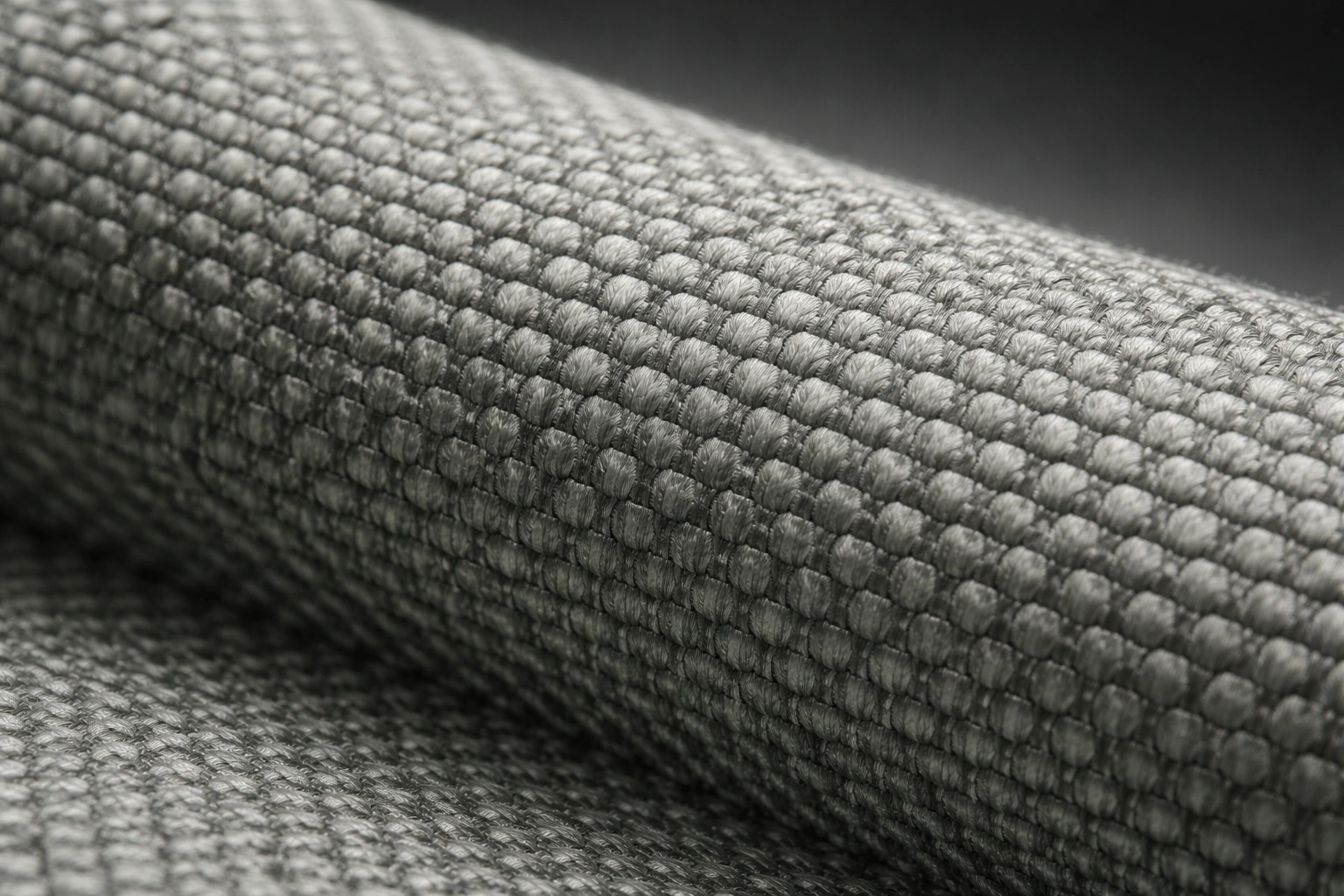
Recycled Fabrics (RPET)
High-denier polyester made from post-consumer plastic bottles (RPET) reduces petroleum use and landfill waste. The recycling process cleans, shreds, and re-spins PET bottles into durable yarn that performs identically to virgin polyester. Many top brands now use RPET for folding camping chairs and high-back models.
- ✅ Up to 80% lower carbon footprint vs virgin polyester
- ✅ Water-resistant and UV-stable with proper DWR coating
- ✅ Often paired with PFC-free water repellent treatments
- ✅ Diverts 20-30 plastic bottles per chair from landfills
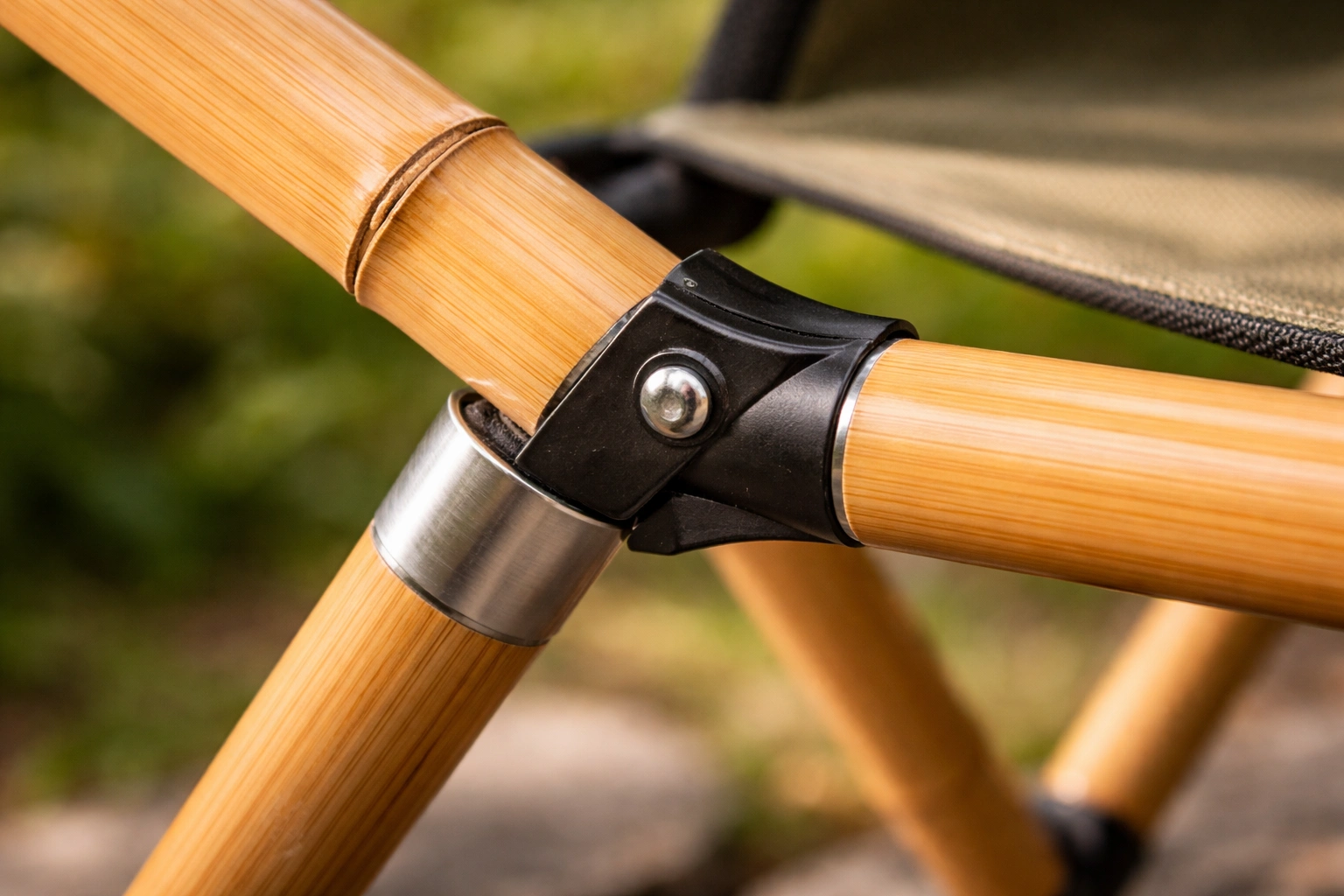
Bamboo & FSC-Certified Wood
Rapidly renewable bamboo frames or FSC-certified hardwood arms offer impressive strength without contributing to deforestation. Bamboo matures in just 3–5 years (compared to 50+ years for hardwood) and regenerates from its root system after harvest. These materials are biodegradable at end-of-life and bring a warm natural aesthetic to any campsite.
- ✅ Renewable growth cycle — bamboo matures in 3-5 years
- ✅ Lightweight yet surprisingly strong (tensile strength rivals steel)
- ✅ Low chemical treatment options available
- ✅ Fully biodegradable at end of life
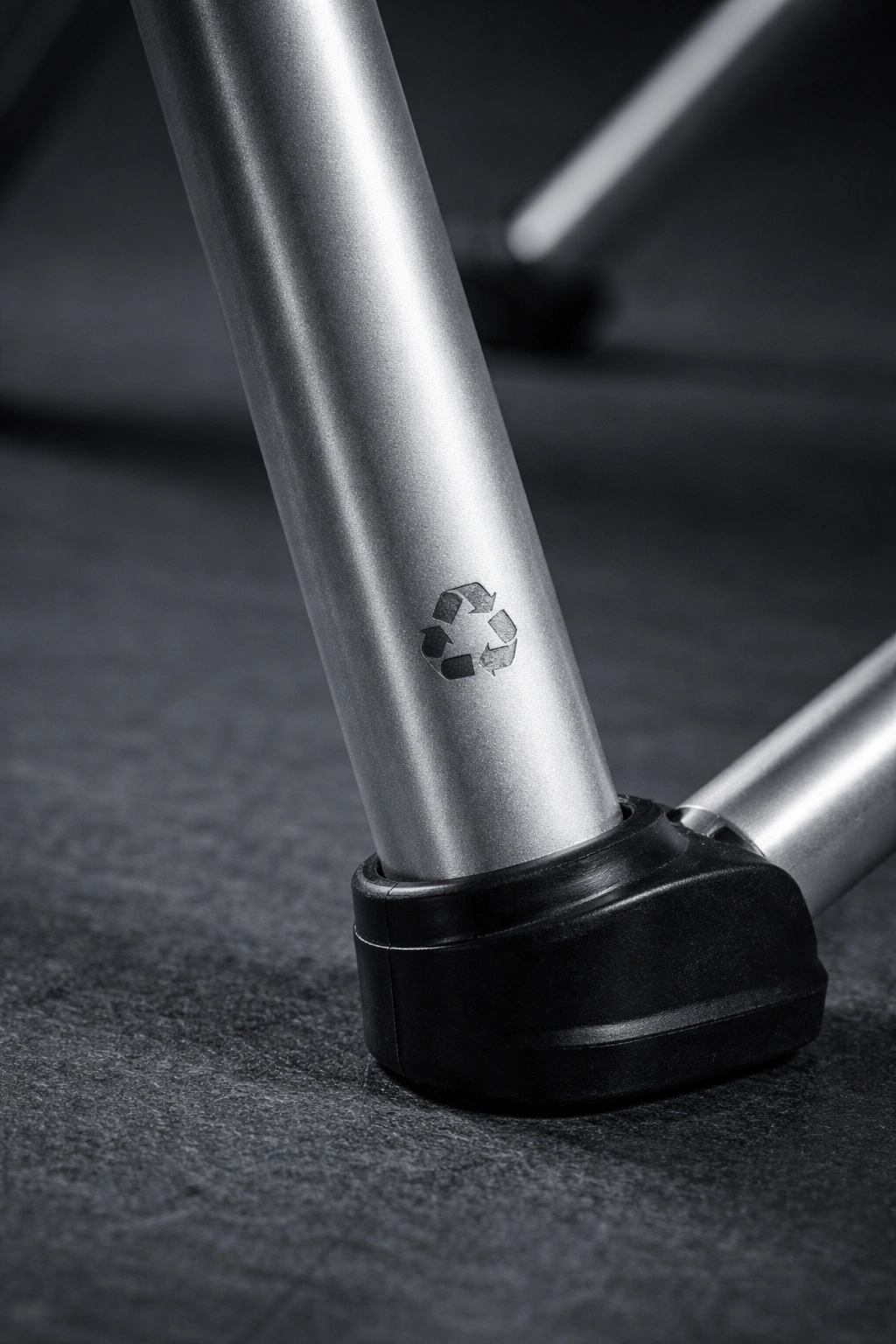
Recycled Aluminum & Steel
Aluminum frames made from recycled content require 95% less energy than primary smelting. Steel frames with high recycled content also significantly cut emissions while extending product life through superior strength. Both metals are infinitely recyclable without quality degradation. For detailed performance differences, read our steel vs aluminum comparison.
- ✅ Infinite recyclability without quality loss
- ✅ Eco-friendly anodized coatings (no toxic chrome)
- ✅ Lightweight — ideal for backpacking chairs
- ✅ 95% energy savings vs virgin aluminum production
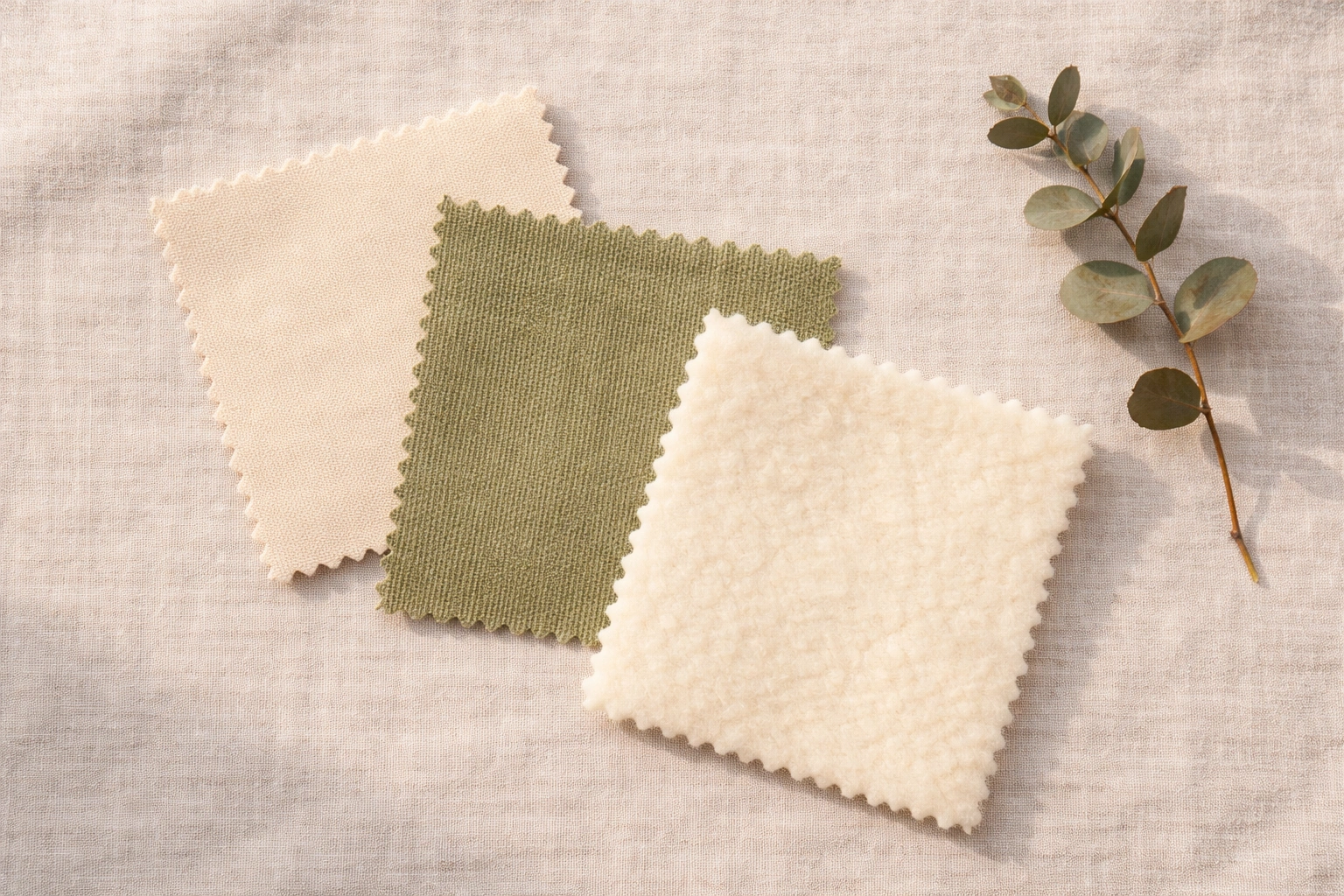
Natural & Bio-Based Textiles
Organic cotton canvas, hemp blends, and wool padding are fully compostable alternatives to synthetic fabrics. Hemp grows rapidly without pesticides and produces some of the strongest natural fibers available. However, natural textiles require proper care to prevent mold and mildew — always follow our fabric cleaning guide and mold removal tips.
- ✅ Fully biodegradable and compostable at end-of-life
- ✅ Breathable and comfortable in warm weather
- ✅ Near-zero microplastic shedding during use
- ✅ Hemp requires no pesticides and improves soil health
Recognized Green Certifications: Avoiding Greenwashing
The outdoor gear market is flooded with vague eco-claims — "green," "natural," and "eco-friendly" mean nothing without third-party verification. Genuine sustainability certifications require rigorous audits, supply chain transparency, and measurable environmental standards. Here's what each major label actually guarantees:

Brands like Helinox and Nemo have begun integrating recycled materials and sustainable packaging into their product lines. Mid-range brands such as Coleman are launching eco-initiatives with recycled fabrics on select models. Always check the product page for specific certification numbers — legitimate brands list them proudly.
Longevity: The Most Overlooked Sustainability Factor
The greenest camping chair is not the one made from recycled materials — it's the one you never have to replace. Manufacturing any new product consumes energy, water, and resources, regardless of how eco-friendly the inputs are. A chair that lasts 10 years has a dramatically lower per-year environmental footprint than a "sustainable" chair that fails after two seasons. This is why repairability and durability are arguably more important than material sourcing alone.
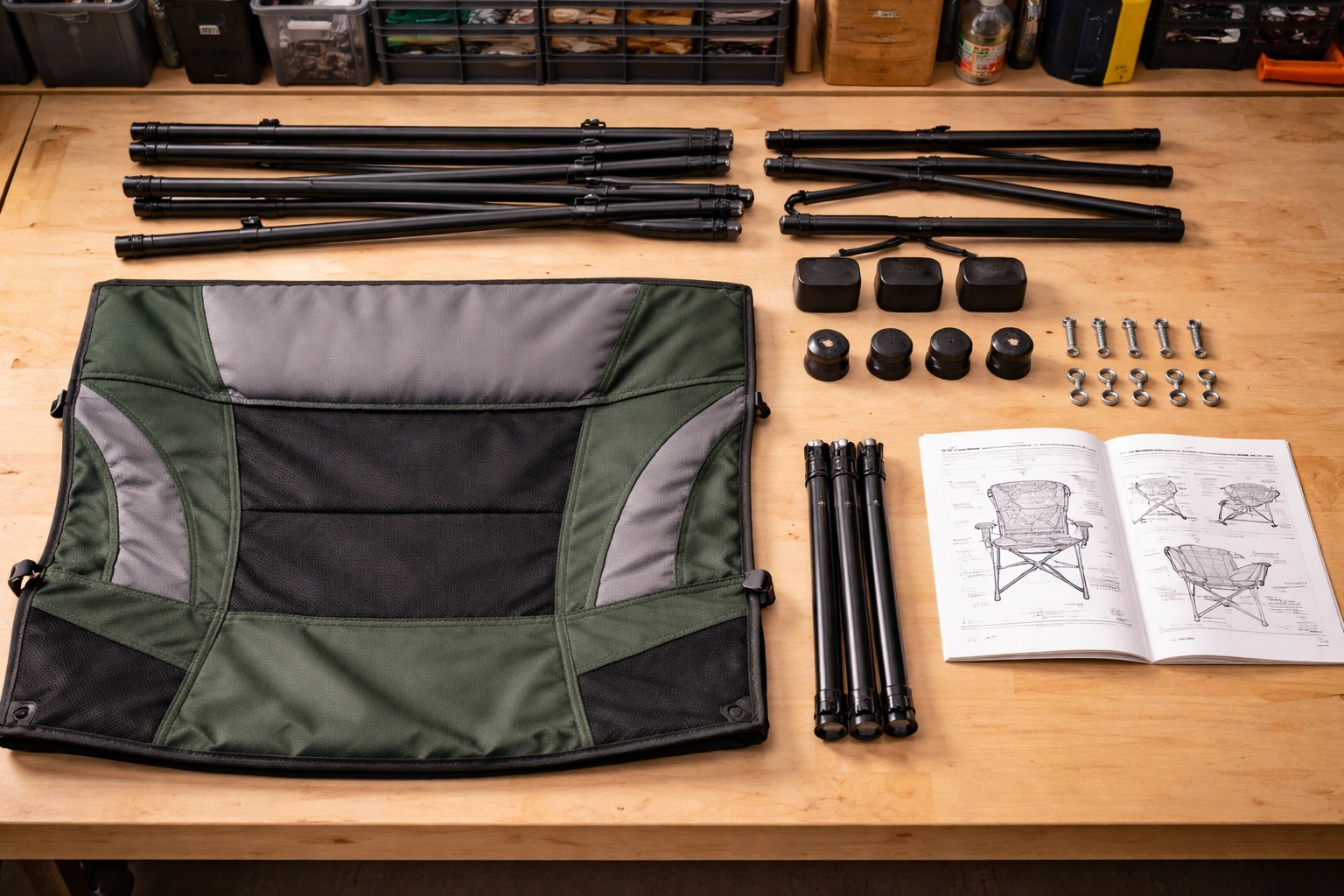
When evaluating durability, consider these two critical factors:
🔧 Repairable Design — Choose chairs with replaceable parts: legs, fabric slings, hinges, and feet caps. Many forward-thinking manufacturers now sell replacement parts so you can fix rather than discard. Learn to replace torn fabric, fix wobbly legs, and lubricate hinges to extend your chair's lifespan by years.
🛡️ High Weight Capacity & Thick Materials — Frames rated for higher weight capacities typically use thicker-walled tubing and reinforced joints, directly translating to longer life. Similarly, high-denier fabrics (600D and above) resist abrasion, punctures, and UV degradation far better than lightweight alternatives. A heavy-duty chair may weigh slightly more, but it often outlasts three lightweight chairs combined.
A conventional $40 chair replaced every 2 years = $200 and 5 chairs in landfills over a decade. A durable $120 eco-chair with replacement parts available = $120–$150 total cost and just 1 chair. The "expensive" option is actually cheaper and greener long-term. Always factor in price vs durability when comparing options.
Sustainable vs. Standard Camping Chairs: Full Comparison
The differences go far beyond materials. Packaging, repairability, end-of-life options, and manufacturing transparency all separate genuinely eco-conscious chairs from conventional ones. Use this comparison as your shopping checklist:
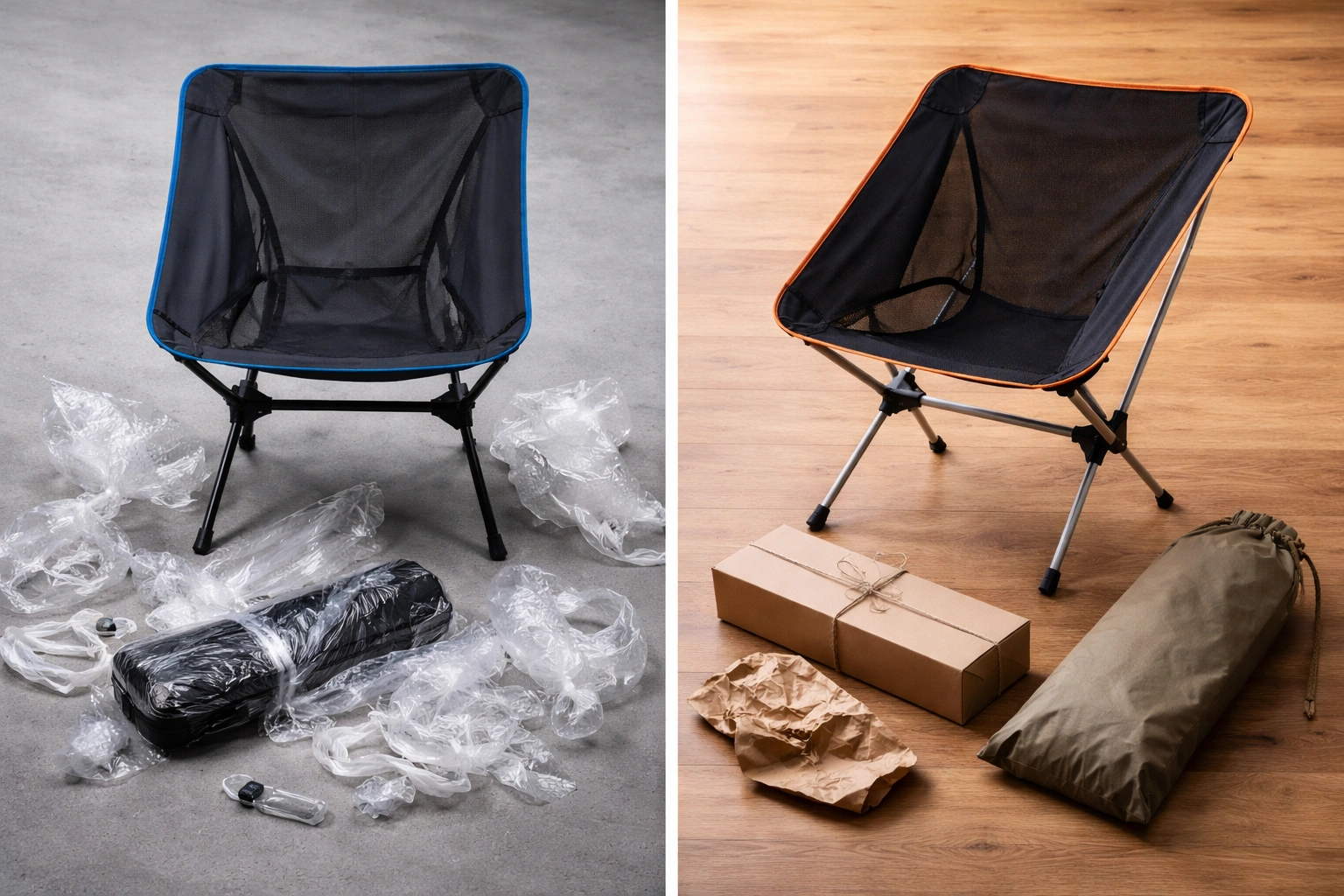
| Feature | Standard Chair | Sustainable / Eco Chair |
|---|---|---|
| Frame Material | Virgin aluminum or steel (high energy input) | Recycled aluminum / FSC wood / bamboo (up to 95% less energy) |
| Seat Fabric | Virgin polyester, often coated with PFAS-based DWR | Recycled polyester (RPET), organic cotton, PFC-free water repellent |
| Packaging | Single-use plastic bags, styrofoam inserts, non-recyclable wrap | Minimal recycled cardboard, compostable bags, no styrofoam |
| Repairability | Low — riveted joints, custom parts, rarely sells spares | High — modular design with standard hardware, replacement parts available online |
| End-of-Life | Landfill — mixed materials cannot be separated for recycling | Recyclable frames, biodegradable fabrics (varies by model), take-back programs |
| Carbon Footprint | ~15-25 kg CO₂ equivalent per chair | ~4-12 kg CO₂ equivalent per chair (50-75% reduction) |
| Price Range | $20–$80 | $50–$200 (higher upfront, lower total cost of ownership) |
Brands Leading the Sustainability Movement
Several outdoor companies have made measurable commitments to eco-friendly production. These aren't just marketing pledges — they're backed by specific targets, third-party audits, and publicly reported progress. Here are the notable names to watch when shopping for sustainable camping chairs:
Helinox has committed to using 100% recycled fabrics across its chair line by 2026, while Nemo publishes annual impact reports tracking carbon reduction. REI Co-op sources over 60% recycled content in its private-label gear. For detailed analysis, explore our brand reviews section where we evaluate each brand's sustainability commitments alongside performance metrics.
For budget-conscious campers, even mainstream brands are improving — Coleman now offers select eco-line chairs with recycled polyester seats, and Ozark Trail has reduced packaging waste by 40% since 2022. The key is checking product-specific details, not just brand-level claims.
How to Choose: 5-Step Eco-Checklist
Use this practical checklist when evaluating any camping chair's sustainability credentials. A genuinely eco-friendly chair should score well on most — ideally all — of these criteria:
- Verify material composition: Look for specific terms like "recycled polyester," "RPET," or "FSC-certified" on the product label — not vague "eco-friendly" language. Check the percentage of recycled content (aim for 50%+).
- Evaluate repairability: Does the manufacturer sell replacement parts? Are fasteners standard (Phillips screws, common rivet sizes) or proprietary? Can you replace the fabric independently?
- Research brand commitments: B Corp certification, 1% for the Planet membership, or published carbon neutrality targets are strong indicators of genuine commitment, not performative marketing.
- Balance comfort vs portability sustainably: Ultra-lightweight chairs use less material but may not last as long. A slightly heavier chair that lasts 8+ years has a lower lifetime footprint than a featherlight chair replaced every 2 years.
- Read real longevity reviews: Our top 10 camping chairs list includes durability assessments based on long-term testing. Prioritize chairs with consistently positive multi-year reviews over flashy new releases.
♻️ Beyond the Chair: Building a Sustainable Camping Mindset
Pair your eco-friendly chair with broader green habits. Use a packing checklist to eliminate single-use items. Maintain all gear through proper care routines — cleaning, drying, and winter storage — to maximize lifespan. Choose multi-purpose items that replace several single-function products. Every durable, repairable piece of gear reduces your cumulative environmental footprint far more than any single "green" purchase.

Ready to find a chair that's kind to both your back and the planet? Our buying guide factors sustainability into every recommendation.
Learn More: Ultimate Buying Guide →