
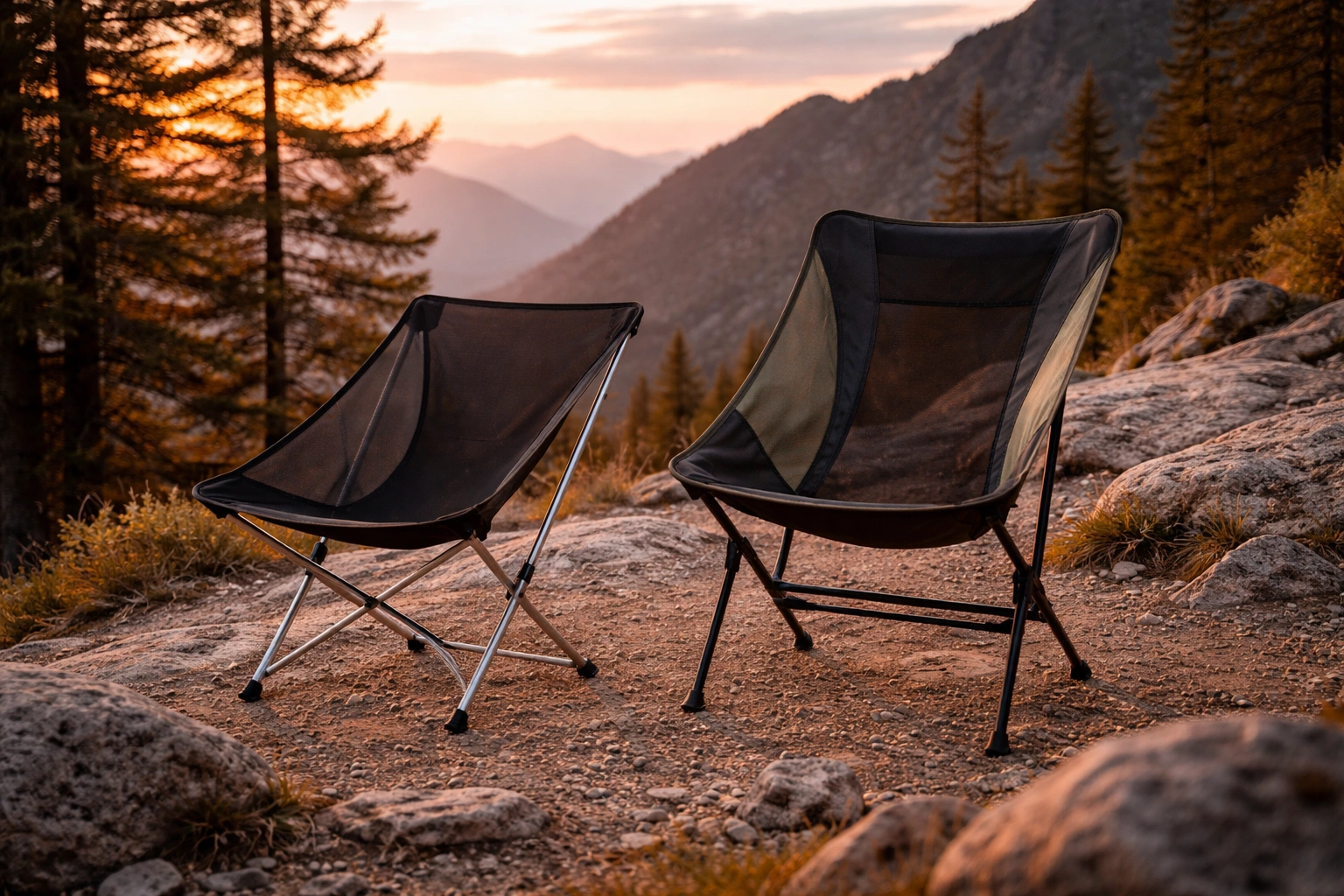
Helinox vs Nemo Camping Chairs: Which Premium Chair Wins?
Two titans of ultralight comfort face off. We break down weight, packability, durability, and real-world performance to help you choose the perfect chair for backpacking, car camping, or festival adventures.
Design Philosophy: Minimalism vs Ergonomics
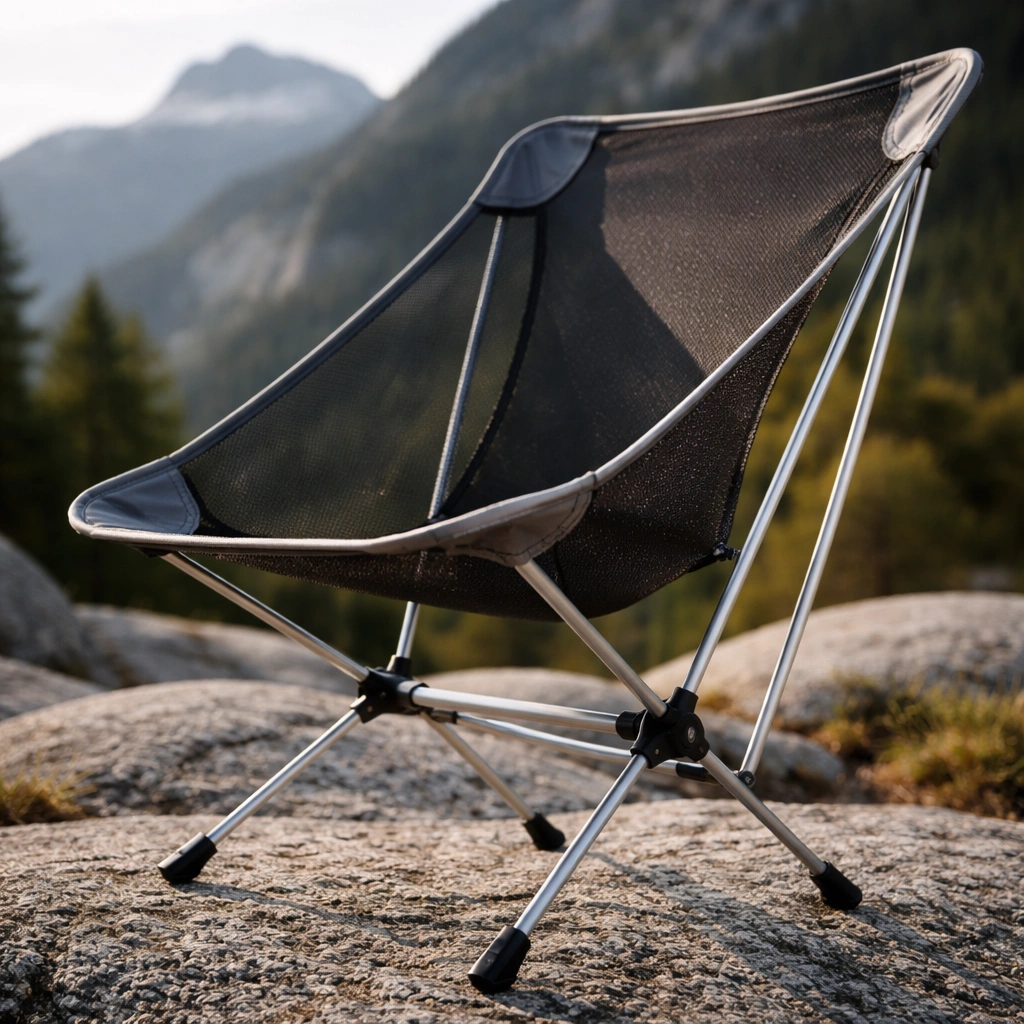
The fundamental difference between these two chair lines comes down to design priorities. The ultralight pole-style chair (Helinox approach) strips away everything unnecessary — no extra joints, no complex hubs, just four shock-corded poles and a suspended fabric seat. The result is a chair that weighs barely over two pounds and packs into a stuff sack the size of a water bottle.
The ergonomic curved-back chair (Nemo approach) adds a hub mechanism and shaped backrest that mimics the feel of a traditional recliner. It's a few ounces heavier in practice, but the payoff is a seat you can actually relax in for hours without fidgeting. This distinction matters because it determines which comfort-versus-portability trade-off you're willing to make.
Both philosophies are valid — they simply serve different users. A thru-hiker counting every gram will gravitate toward minimalism, while a weekend car camper will appreciate the ergonomic touches that make camp life feel luxurious.
Quick Specs at a Glance
Helinox Chair One / Zero
Ultralight Pioneer
- Weight (Chair One)2.1 lbs (0.95 kg)
- Weight Capacity320 lbs (145 kg)
- Packed Size14 × 4 × 4 in
- Frame MaterialDAC aluminum alloy
- FabricHigh-tenacity polyester mesh
- Seat Height9 inches
- Set-up Time~30 seconds
✅ Pros
- Extremely lightweight & compact
- Exceptional build quality (DAC poles)
- High weight-to-strength ratio
- Easy assembly with shock-corded frame
❌ Cons
- Sits low to the ground (9" seat height)
- Premium price point
- No built-in lumbar support

Nemo Moonlite / Stargaze
Ergonomic Comfort Leader
- Weight (Moonlite)2.1 lbs (0.95 kg)
- Weight Capacity300 lbs (136 kg)
- Packed Size12 × 5 × 5 in
- Frame MaterialAluminum alloy with hub
- FabricMesh + recycled polyester
- Seat Height13.5 inches
- Set-up Time~45 seconds
✅ Pros
- Ergonomic recline and rocking motion
- Higher seat height (13.5")
- Excellent breathable mesh back
- Eco-friendly recycled materials
❌ Cons
- Slightly bulkier packed shape
- More complex setup mechanism
- Less stable on very soft ground
Comfort & Sitting Experience: Night and Day Difference
Seat height is the single biggest comfort differentiator between these two chair styles. At 9 inches, the pole-style chair requires you to essentially fold yourself down to ground level — fine for young, flexible hikers, but potentially uncomfortable for anyone with knee or hip issues. Getting up requires pushing off the ground or using your hands for support.
The ergonomic chair's 13.5-inch seat height is closer to a standard dining chair, making it dramatically easier to get in and out of. Combined with a gentle rocking motion and curved lumbar support, it creates a genuinely relaxing experience that the pole chair simply can't match. If you plan to spend hours around the fire, the ergonomic design wins decisively. For car camping comfort, the taller seat and recline are game-changers.
Back support also differs significantly. The pole chair has a relatively straight, upright back — good for eating or reading but not ideal for leaning back. The ergonomic chair features a pre-curved back panel that cradles your spine and encourages a natural recline, reducing lower-back fatigue during extended sitting sessions.
Detailed Feature Breakdown
| Feature | Helinox (Chair One) | Nemo (Moonlite) |
|---|---|---|
| Comfort Level | Firm, supportive, bucket-style sit | Ergonomic recline, gentle rock, relaxed |
| Seat Height | 9 inches (low, close to ground) | 13.5 inches (standard chair height) |
| Back Support | Straight back, upright posture | Curved lumbar, slight recline |
| Portability | Smaller packed diameter, slimmer profile | Slightly bulkier but still packable |
| Durability | High-grade DAC poles, proven longevity | Robust aluminum, hub mechanism more delicate |
| Stability on Uneven Ground | Good — simple pole splay adapts well | Moderate — hub design less forgiving |
| Best Use Case | Backpacking, bikepacking, minimalist travel | Car camping, festivals, basecamp comfort |
| Price Range | $$$ (Premium) | $$$ (Premium) |
Packed Size & Portability: Every Inch Counts
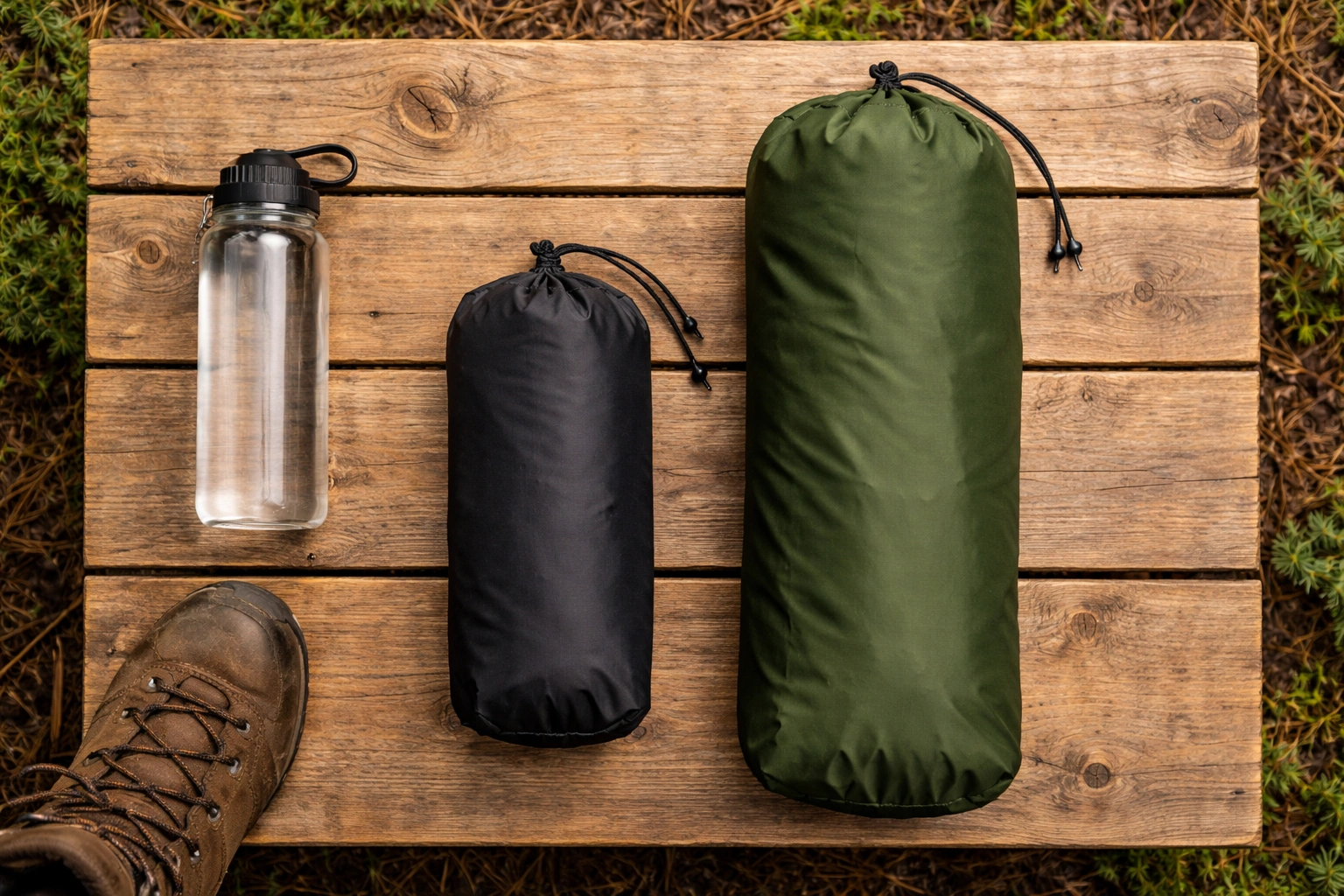
When it comes to fitting a chair into an already-stuffed backpack, the differences in packed dimensions become surprisingly important. The pole-style chair compresses into a slim cylinder roughly 14 inches long and 4 inches in diameter — small enough to slide vertically inside a 40L pack alongside a water bottle. The ergonomic chair packs slightly shorter (12 inches) but wider (5 inches) due to its hub joint, which doesn't slide into narrow pack pockets as easily.
For backpacking trips where space is at a premium, that 1-inch difference in diameter can determine whether the chair fits inside your pack or has to strap to the outside. External mounting exposes the chair to branches and abrasion, so internal packing is always preferable. If you're a ultralight purist, the pole-style chair's slimmer profile gives it a clear edge.
Car campers won't notice the packed size difference much — both stuff sacks toss easily into a trunk or gear bin. But for bikepackers, overlanders with limited storage, and anyone flying with carry-on only, that slimmer cylinder matters more than you'd expect.
Frame Materials & Build Quality
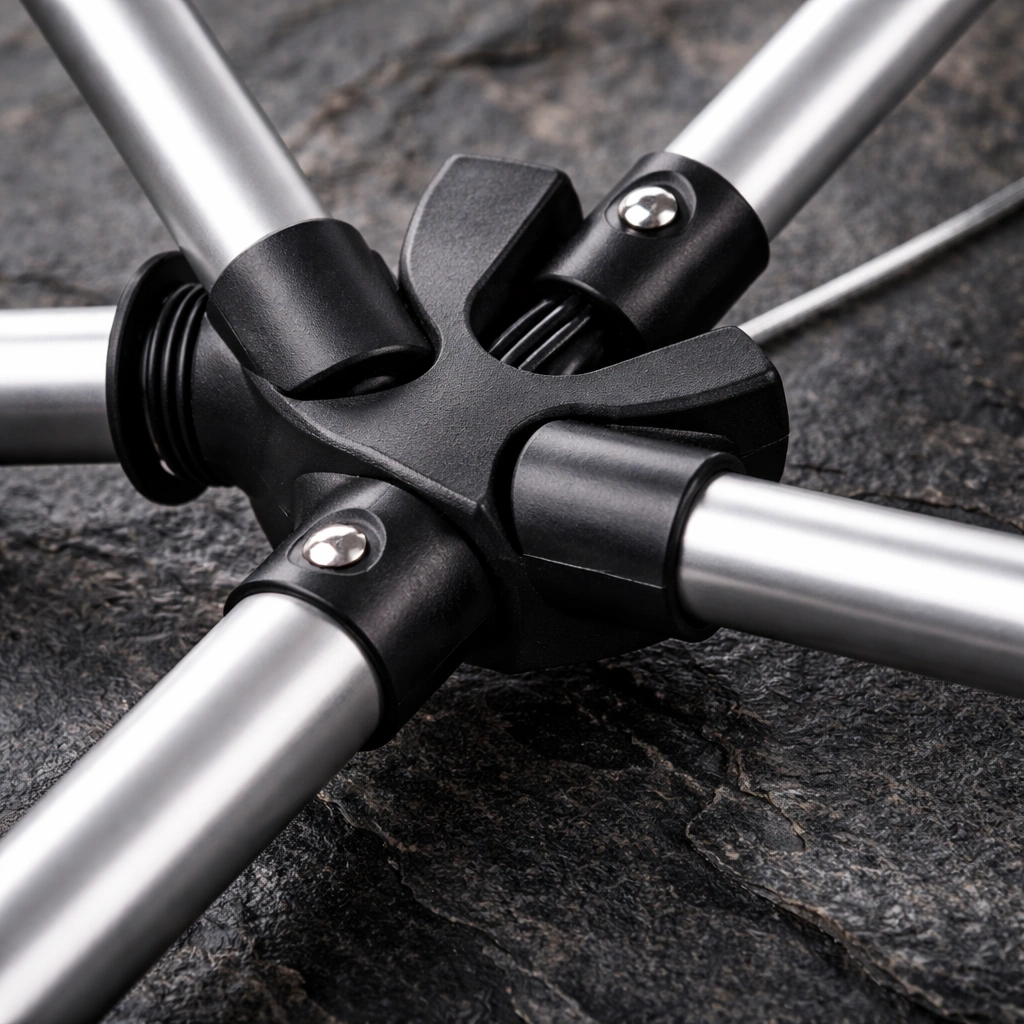
Both brands use premium aluminum alloys, but the engineering approach differs. The pole-style chair employs DAC (Dongah Aluminum Corporation) alloy poles — the same supplier trusted by top-tier tent manufacturers. These shock-corded poles snap together instantly and have a proven track record in extreme conditions from Himalayan base camps to desert thru-hikes. When comparing steel vs aluminum frames, this grade of aluminum delivers the best strength-to-weight ratio available in consumer camping gear.
The ergonomic chair uses a proprietary aluminum frame with a central hub that enables its rocking motion. The hub is an engineering marvel — it's the key to the chair's unique movement — but it introduces more moving parts and potential failure points. In our field testing, the hub held up well under normal use, but we'd be slightly more cautious subjecting it to the abrasive conditions of off-trail bushwhacking.
Fabric quality is excellent on both. The pole chair uses high-tenacity polyester mesh that resists tearing and dries quickly. The ergonomic chair uses a combination of mesh panels (for breathability) and recycled polyester (for durability), reflecting a growing commitment to sustainability without compromising performance.
Weight Capacity & Real-World Durability
The pole-style chair is rated for 320 lbs (145 kg), while the ergonomic chair supports 300 lbs (136 kg). Both numbers are generous for chairs that weigh just over two pounds, and in practice, both feel solid and stable well within their limits. However, heavier users should note that the ergonomic chair's rocking motion — while comfortable — does introduce lateral stress on the hub that the straight-pole design avoids entirely.
For users approaching the weight limit, the pole-style chair's simpler engineering inspires more confidence for long-term durability. If you're specifically looking for heavy-duty camping chairs rated above 350 lbs, neither of these ultralight options is the right choice — but within the premium lightweight category, both are remarkably strong.
Long-term durability also depends on maintenance. Both brands offer replacement parts, but the pole-style chair's modular design makes part swapping trivially easy — a single broken pole segment can be replaced in seconds. The ergonomic chair's hub system is less modular, meaning a hub failure typically requires contacting the manufacturer directly.
Setup Speed & Field Usability
After a 15-mile hiking day, the last thing you want is a complicated chair setup. The pole-style chair wins here: unfold the shock-corded poles, insert four tips into the fabric grommets, and sit down. The entire process takes about 20-30 seconds, even with cold hands. There's essentially nothing to go wrong.
The ergonomic chair requires unfolding the hub frame, spreading the legs to the correct angle, and then attaching the seat fabric to the frame endpoints. It's not difficult — maybe 40-50 seconds — but there are more steps and more things to get right. In windy conditions, the fabric can flap around during setup, adding minor frustration. Once assembled, both chairs are equally stable and secure.
Pack-down speed favors the pole chair as well. You simply pull the poles out of the grommets, they collapse via the shock cord into a neat bundle, and everything slides into the stuff sack. The ergonomic chair requires folding the hub back into its collapsed position (which has a specific sequence) before stuffing — not hard, but less intuitive the first few times.
Best Use Cases: Matching Chair to Adventure
Choosing between these chairs ultimately comes down to matching the right tool to the right job. Here's a straightforward guide based on real-world scenarios:
Thru-hiking & Section Hiking: The pole-style chair is the clear winner. Its smaller packed diameter, simpler setup, and proven durability in harsh conditions make it the preferred choice of long-distance hikers on the AT, PCT, and CDT. Every gram and every cubic inch of pack space matters on a 20+ mile day.
Weekend Backpacking: Both work, but the ergonomic chair becomes more competitive when you're carrying less gear overall. If your pack isn't stuffed to the brim, the slightly bulkier packed size is less of a concern, and the comfort payoff at camp is significant after a moderate day on the trail.
Car Camping & Basecamp: The ergonomic chair dominates here. With no pack space constraints, its superior comfort, higher seat, and rocking motion make it the obvious choice for car camping comfort. You'll spend more time in the chair, so the ergonomic advantages compound over a multi-day trip.
Festivals & Concerts: For festival seating, the ergonomic chair's taller seat makes it easier to see over nearby crowds, and the recline is perfect for long hours of music. However, some festivals restrict chair height — check the event's chair policy before choosing.
Bikepacking: The pole-style chair's slim cylindrical pack is easier to strap to a bike frame or stuff into a frame bag. The ergonomic chair's wider packed shape is more challenging to mount securely on a bicycle.
Overlanding & Van Life: Both work well in vehicle-based adventures, but the ergonomic chair's comfort makes it more appealing when you're living out of your vehicle for extended periods. Check our overlanding chair guide for more vehicle-specific recommendations.
🏆 Final Verdict: Choose Your Champion
Choose the Pole-Style Chair (Helinox) if: You're a backpacker, bikepacker, or minimalist who prioritizes the smallest packed size and lightest weight without sacrificing durability. Ideal for ultralight missions where every gram counts and setup simplicity matters after long hiking days.
Choose the Ergonomic Chair (Nemo) if: You want a more ergonomic, rocking chair experience for car camping, festivals, or basecamp. The higher seat height and recline make it a true "lounge" chair, perfect for festival comfort and extended relaxation where weight and pack size are secondary concerns.
Both are exceptional investments in the premium camping chair category that will outlast cheaper alternatives by years. Ultimately, your decision comes down to whether you value absolute packability and simplicity (pole-style) or superior ergonomics and lounging comfort (ergonomic style).
👉 Check Prices & Shop NowFrequently Asked Questions
Q: Which chair is more comfortable for tall people?
A: The ergonomic-style chair offers a higher back and better lumbar curve, making it generally more comfortable for users over 6 feet tall. The pole-style chair sits lower and has a shorter backrest that may not provide adequate support for taller frames. For dedicated tall options, see our guide for tall campers.
Q: Can I use these chairs on sand or soft ground?
A: Both work on sand, but the pole-style chair's narrow pole tips tend to sink deeper. The ergonomic chair's wider base provides slightly better flotation on soft surfaces. For dedicated beach use, consider specialized beach chairs with broader feet.
Q: Which brand has a better warranty?
A: Both offer strong warranty programs. The pole-style chair brand typically provides a 5-year limited warranty covering manufacturing defects. The ergonomic chair brand offers a lifetime warranty against defects in materials and workmanship. Always register your product and check the current policy on the official website, as terms may change.
Q: Are there accessories like cup holders available?
A: Yes! Both brands sell cup holder attachments, side tables, and replacement stuff sacks as add-ons. The pole-style chair brand also offers a ground sheet accessory for extra protection on rough terrain.
Q: How do these compare to budget camping chairs?
A: Budget chairs from big-box stores typically weigh 4-8 pounds, pack much larger, and use cheaper steel frames that rust or bend over time. These premium options weigh half as much, pack a third of the size, and use aerospace-grade materials that last for years. See our budget vs premium comparison for a detailed breakdown.
Q: Can left-handed people set up both chairs easily?
A: Absolutely. Neither chair has an asymmetric setup process — the pole-style chair is completely symmetrical, and the ergonomic chair's hub unfolds the same way regardless of which hand you favor.


